

كيفية حساب حمولة فرامل الضغط: دليل عملي للثني الدقيق
حساب الصحيح حمرة فرامل الضغط (قوة الانحناء) هي واحدة من أسرع الطرق لحماية جهازك, تحسين ثبات الانحناء, وتقليل الخردة. قلة الحمولة تؤدي إلى الانحناء الناقص, تغير الزاوية, والنتائج غير المستقرة. زيادة الحمولة قد تثقل الأدوات بشكل زائد, تلف فرامل الضغط, وتقصير عمر المكونات. عادة ما تستخدم حاسبات ضغط حمولة الفرامل مدخلات أساسية مثل نوع المادة, سمك, طول الانحناء, وافتتاحية على شكل V لتقدير القوة المطلوبة.
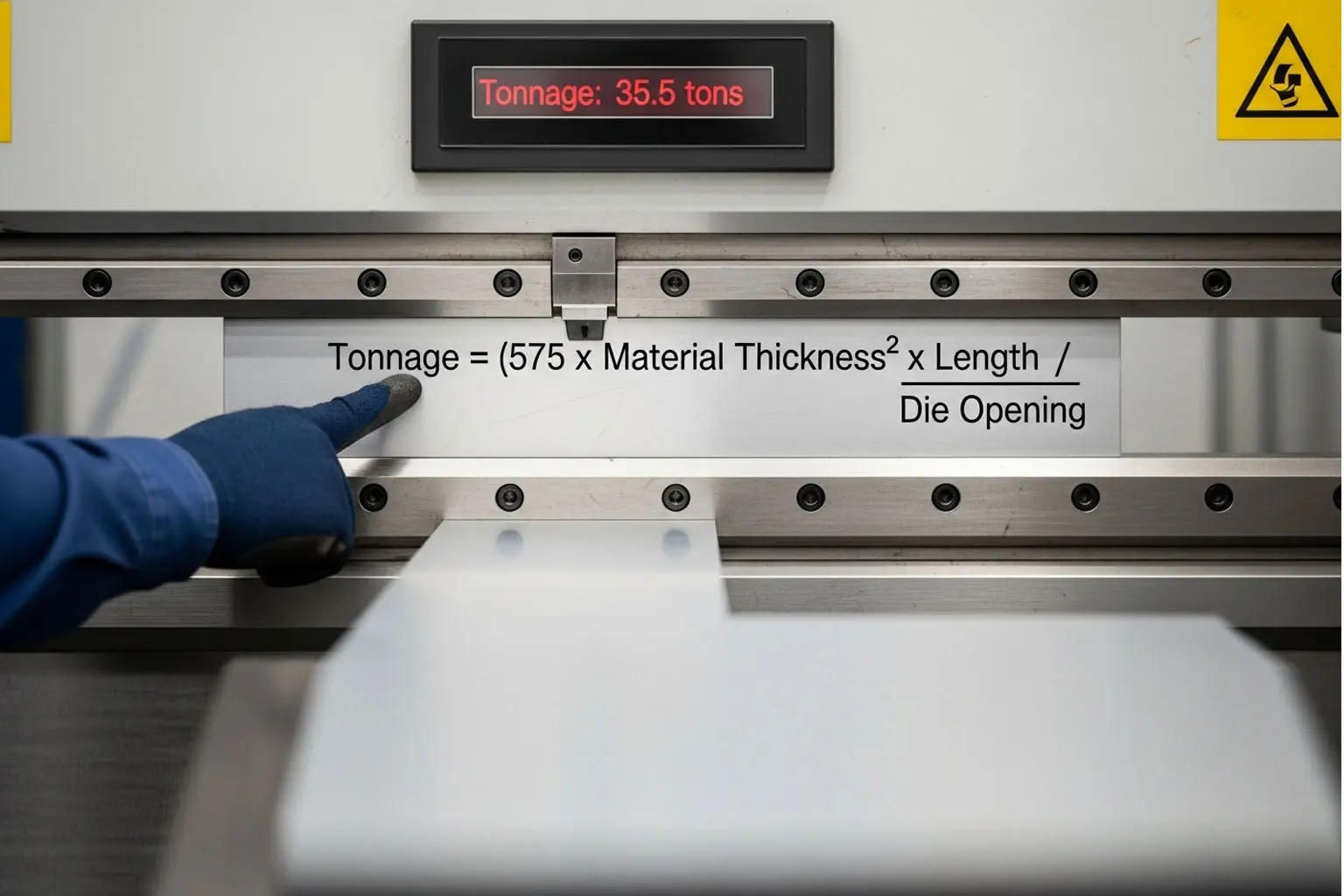
يشرح هذا الدليل الطريقة الأكثر شيوعا باستخدام قوة الانحناء المستخدمة في المتاجر حول العالم—وكيفية تطبيقه بأمان في الإنتاج الحقيقي.
ما هو "الحمولة"” الوسائل على فرامل الضغط
حموله هي مقدار القوة التي تطبقها فرامل الضغط لتشكيل الصفيحة بين الثقب والقالب V. عادة ما يعبر عنه كالتالي:
-
إجمالي الأطنان لطول انحناء محدد, أو
-
النغمات لكل متر / النغمات لكل قدم كمرجع تخطيطي
اختيار الحمولة الصحيح يساعدك على اختيار الآلة والأدوات المناسبة, ويساعد على تجنب التحميل الزائد.
المدخلات الرئيسية التي تتحكم في قوة الانحناء
معظم صيغ الحمولة (والآلات الحاسبة الإلكترونية) تعتمد على أربعة متغيرات إلى أرضية الورشة:
-
نوع المادة / القوة
الفولاذ الطري, ستانلس ستيل, والألمنيوم يتطلب مستويات قوة مختلفة بسبب اختلاف القوة (غالبا ما يتم نمذجة ذلك باستخدام عوامل مقاومة الشد). -
سمك المادة (t)
السماكة لها التأثير الأكبر. القوة ترتفع بسرعة مع زيادة السماكة. -
طول الانحناء (L)
الانحناءات الأطول تتطلب قوة أكبر لأن الحمل موزع على طول خط الانحناء. -
فتح قالب V (V)
فتحة V أكبر تقلل من الحمولة المطلوبة (المزيد من النفوذ), لكنها تزداد من نصف قطر الانحناء الداخلي ويمكن أن تؤثر على التحكم في الحافة.
أكثر تركيبة استخداما في المتاجر: حمولة التحكم الهوائي
ل التحكم في الهواء (الطريقة الأكثر شيوعا في التصنيع الحديث), تقريب واسع الاستخدام هو:
القوة (الكثير) = (K × TS × L × t²) / V
حيث:
-
L = طول الانحناء
-
t = سمك المادة
-
V = افتتاحية قالب V
-
TS = عامل قوة المادة (أو استخدم قوة شد مرجعية)
-
K = ثابت يعتمد على الوحدات وطريقة الانحناء (تختلف حسب المخطط أو النظام)
لأن الثوابت والوحدات تختلف عبر المراجع (البوصة/القدم مقابل المسافة بين القدم والمتوسط), تستخدم العديد من المتاجر مخطط الحمولة أو a الحاسبة بدلا من اشتقاق الثوابت يدويا. النقطة المهمة هي العلاقة:
-
القوة تزداد مع طول الانحناء
-
القوة تزداد مع السمك المربع (t²)
-
القوة تنخفض كالتالي افتتاحية V الزيادات
-
القوة تزداد مع المواد الأقوى (مثلا., الفولاذ المقاوم للصدأ مقابل الفولاذ الطري)
اختيار فتحة V عملية (قاعدة عامة)
إرشادات إنتاجية شائعة هي اختيار فتحة V حول 8× سمك (أحيانا 10× للمواد السميكة أو عندما تكون جودة السطح وثبات التشكيل هي المعاملة). العديد من الحاسبات تقترح تلقائيا V بناء على السماكة.
ما الذي يتغير عندما يتغير V?
-
أصغر V → نصف قطر أضيق, حمولة أعلى, ارتفاع خطر العلامة
-
V الأكبر → الحمولة السفلى, نصف قطر أكبر, فروق الدقة المحتملة إذا لم يتم تعويضها
العوامل المادية: كم من القوة تحتاج أكثر؟?
طريقة بسيطة تقدر بها العديد من المتاجر تأثير المواد:
-
الفولاذ الطري = خط الأساس
-
ستانلس ستيل ≈ يتطلب قوة أكبر بكثير (غالبا ما يتم نمذجة ~1.5× في العديد من قواعد الآلة الحاسبة)
-
ألمنيوم ≈ يتطلب قوة أقل (غالبا ما يتم نمذجة ~0.5× في بعض قواعد الآلة الحاسبة)
العامل الدقيق يعتمد على نوع السبيكة والدرجة الكهربائية. إذا انتقلت من الفولاذ الطري إلى الفولاذ عالي القوة, لا تعيد استخدام نفس افتراضات الحمولة—التحقق من صحتك باستخدام الانحناءات التجريبية.
الانحناء الهوائي مقابل التثبيت السفلي مقابل السكك: القوة تتغير كثيرا
التحكم بالهواء (الأكثر شيوعا):
أقل قوة, زوايا مرنة مع التحكم في عمق التقنية CNC.
القفز المنخفض:
قوة أعلى من انحناء الهواء لأن الصفيحة تضغط أعمق في زاوية القالب.
عملية السك:
أعلى قوة—المادة مصاغة بشكل بلنيني” إلى النرد, ينتج سبرينباك منخفض جدا, لكن الحمولة يمكن أن تكون عدة مرات من الانحناء الهوائي.
إذا حسبت الحمولة لثني الهواء وقمت بعملية القاع أو السك, يمكنك تحميل الجهاز بسرعة كبيرة.
خطوة بخطوة: كيفية حساب الحمولة بأمان في الإنتاج
الخطوة 1: أكد أساسيات الوظيفة
-
درجة المادة (الفولاذ الطري, الفولاذ المقاوم للصدأ, ألمنيوم)
-
السماكة
-
طول الانحناء لكل ضربة (ليس فقط الجزء الطويل)
الخطوة 2: اختر افتتاحية V الخاصة بك
ابدأ ب 8× سمك (أو معيارك), ثم عدل إذا كنت بحاجة إلى نصف قطر/تشطيب مختلف.
الخطوة 3: تقدير القوة باستخدام مخطط أو آلة حاسبة
استخدم آلة حاسبة موثوقة تأخذ في الاعتبار نوع المادة, سمك, طول الانحناء, وفتحة V.
الخطوة 4: أضف هامش أمان
في المتاجر الحقيقية, يحدث التنوع:
-
تحمل خصائص المواد
-
تآكل الأدوات
-
تغيرات درجة الحرارة والتزييت
-
اختلافات تعامل المشغلين
هامش التخطيط المحافظ يساعد على تجنب الحمل الحدودي.
الخطوة 5: تحقق من حدود الآلة والأدوات
-
الحمولة المصنفة للآلة وطول العمل
-
تصنيف حمولة الأدوات (لكل متر/قدم)
-
قدرة انحراف السرير/الكبش والقدرة على التتويج (الانحناءات الطويلة)
مثال عملي (المفاهيم)
لنفترض أنك تنحني:
-
الفولاذ الطري
-
سمك 3 مم
-
1,000 طول انحناء مم
-
فتحة V ~ 24 مم (≈ 8× سمك)
ستدخل هذه القيم في مخطط الحمولة/الحاسبة للحصول على القوة الإجمالية المطلوبة. إذا غيرت نفس الهندسة إلى الفولاذ المقاوم للصدأ, تزداد الحمولة المطلوبة بشكل كبير (غالبا ما يتم نمذجة ~1.5× في العديد من قواعد الآلة الحاسبة).
يعتمد رقم الحمولة الدقيق على ثابت/وحدات الحاسبة, لكن منطق القرار يبقى كما هو.
الأخطاء الشائعة التي تسبب حمولة خاطئة
-
استخدام طول الجزء بدلا من طول الانحناء الفعلي لكل ضربة
-
نسيان ذلك السمك مربع السلوك السائد
-
اختيار فتحة V صغيرة جدا والحمولة المرتفعة
-
التعامل مع الفولاذ المقاوم للصدأ كأنه الفولاذ الطري (أو خلط السبائك دون التحقق من الصحة)
-
تجاهل تصنيفات حمولة الأدوات والتحقق فقط من تصنيف فرامل الضغط
توصية عملية لمستخدمي JS RAGOS
إذا كنت تريد تخطيط حمولة موثوق عبر أمريكا الشمالية, أوروبا, وبيئات الإنتاج في آسيا, توحيد عمليتك:
-
استخدم الاتساق قواعد الفتح على شكل V لكل نطاق سماكة
-
حافظ على معيار الورشة حاسبة أو مخطط الحمولة
-
سجل العوامل المادية حسب عائلات السبائك التي تقوم بثنيها فعليا
-
تحقق من صحة المواد الجديدة باستخدام قسائم اختبار قصيرة قبل التشغيل الكامل
هذا النهج يقلل من التجربة والخطأ, يحسن التكرار, ويساعد في حماية كل من الآلة والأدوات.