

تشكيل المعادن: العمليات, الأنواع, والتطبيقات العملية
يعد تشكيل المعادن أحد الأسس الأساسية للتصنيع الحديث. من العوارض الهيكلية وألواح السيارات إلى مكونات الطيران والإلكترونيات الاستهلاكية, تشكل أجزاء معدنية مشكلة تقريبا كل قطاع صناعي.
يصف ACCURL تشكيل المعادن بأنه عملية إعادة تشكيل المعدن إلى الأشكال المرغوبة من خلال تشوه متحكم فيه باستخدام القوة, المعدات, والأدوات . بدلا من إزالة مواد مثل التشغيل الآلي, يغير تشكيل المعادن الهندسة مع الحفاظ على استمرارية المادة—غالبا ما يحافظ على القوة ويحسن بنية الحبيبات.
يعيد هذا الدليل تنظيم أساسيات تشكيل المعادن إلى شفاف, نظرة عامة تركز على الإنتاج مناسبة لمحترفي التصنيع.
ما هو تشكيل المعادن?
يتضمن تشكيل المعادن تغيير شكل المعدن—مثل الورقة, العصا, أو المقعد—من خلال القوة المطبقة. يتم تشوه المادة بلاستيكيا إلى هندسة جديدة دون أن تقطع إلى قطع منفصلة .
بعبارات بسيطة, تكوين المعادن هو تشوه متحكم فيه. سواء كان ذلك عبر الضغط, التوتر, أو الإجهاد المدمج, الهدف لا يزال ثابتا: تحويل المعدن الخام إلى أجزاء وظيفية بكفاءة ودقة.
العمل الساخن مقابل العمل البارد
غالبا ما يتم تصنيف عمليات تشكيل المعادن بناء على درجة الحرارة:
العمل الساخن
يحدث العمل الساخن عند درجات حرارة أعلى من نقطة إعادة تبلور المادة, عادة ما تتجاوز 60٪ من درجة انصهارها . عند هذه درجات الحرارة المرتفعة:
-
زيادة اللونة
-
انخفاض قوة التشكيل المطلوبة
-
يتم تقليل الضغوط الداخلية
تشمل الأمثلة الشائعة الدرفة الساخنة والتشكيل الساخن .
المزايا
-
تحسين قابلية العمل
-
تقليل خطر التشقق
-
تنقية الحبوب
القيود
-
استهلاك طاقة أعلى
-
مخاطر الأكسدة والتوسع
-
انخفاض الدقة البعدية
العمل البارد
يتم العمل البارد في درجة حرارة الغرفة أو بالقرب منها, تحت درجة حرارة إعادة التبلور . تعزز هذه العملية تقوية المعدن من خلال التصلب بالإجهاد.
من الأمثلة على ذلك التدوير البارد, الحدادة الباردة, ورسم الأسلاك .
المزايا
-
تحسين التشطيب السطحي
-
دقة أبعاد أعلى
-
زيادة قوة العائد
القيود
-
متطلبات القوة الأعلى
-
خطر الهشاشة
-
الإجهادات المتبقية
يعتمد الاختيار بين العمل الساخن والبارد على الخصائص الميكانيكية المطلوبة, التفاوتات, وكفاءة الإنتاج.
الفئات الرئيسية لتشكيل المعادن
يمكن تجميع تقنيات تشكيل المعادن حسب الإجهاد السائد المطبق.
1. تكوين الإجهاد الضاغطي
العمليات الضاغطة تعيد تشكيل المعدن عن طريق الضغط أو الضغط عليه .
العمليات المشتركة:
-
الدوران – يقلل السماكة ويحسن التجانس.
-
البثق – يجبر المعدن على المرور عبر شريحة ليخلق مقاطع عرضية ثابتة.
-
الحدادة – يستخدم قوة ضغط محلية لتحسين القوة.
-
التشكيل / الختم – يضغط الصفائح إلى قوالب مشكلة.
تستخدم هذه العمليات على نطاق واسع في هياكل السيارات, العوارض الهيكلية, التروس, والمكونات الصناعية .
2. تشكيل إجهاد الشد
التشكيل الشدي يمدد المعدن إلى شكل .
تشمل الأمثلة:
-
تشكيل التمدد
-
التوسع
-
تراجع السطح
تستخدم هذه التقنيات غالبا في لوحات الطيران والفضاء, شبكة معمارية, ومكونات هيكلية خفيفة الوزن .
3. تكوين الإجهاد المشترك
تستخدم بعض العمليات قوى الشد والضغط معا لتحقيق هندسات معقدة .
تشمل الأمثلة:
-
الرسم العميق
-
الغزل
-
تكوين الحافة
-
انتفاخ مفاجئ
يمكن التشكيل الإجباري المشترك من أشكال مجوفة مثل الحاويات, لوحات السيارات, والمكونات الأسطوانية.
طرق معالجة المعادن الإضافية
بينما يعتمد بشكل أساسي على التشوه, غالبا ما يدمج تشكيل المعادن العمليات ذات الصلة:
-
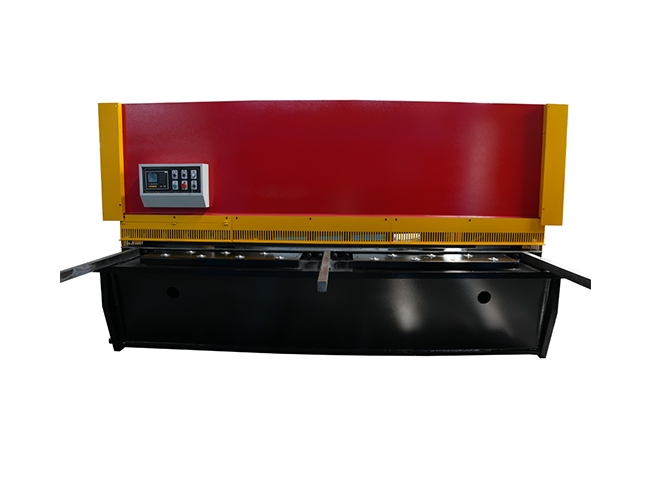
القص – ورقة القطع عبر قوة القص
-
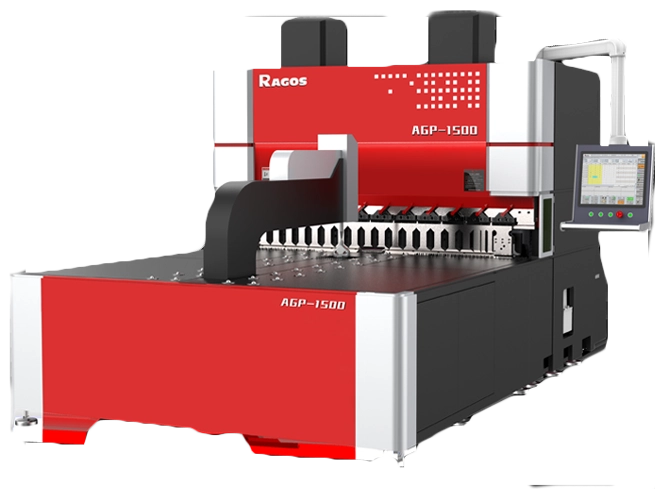
الانحناء – تشوه الورقة على محور مستقيم
-
اللكم – إنشاء ثقوب باستخدام أنظمة التثقيب والقالب
-
القطع بالليزر – القطع الحراري الدقيق
-
التمثيل – صب المعدن المنصهر في قوالب
-
اللحام – الانضمام إلى أجزاء مشكلة
تدعم هذه العمليات سير عمل التصنيع الكامل.
المعدات المستخدمة في تشكيل المعادن
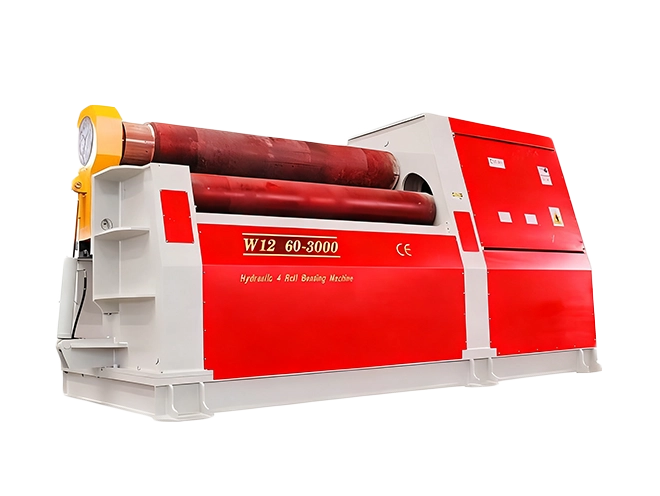
يعتمد تشكيل المعادن على معدات متخصصة, بما في ذلك:
-
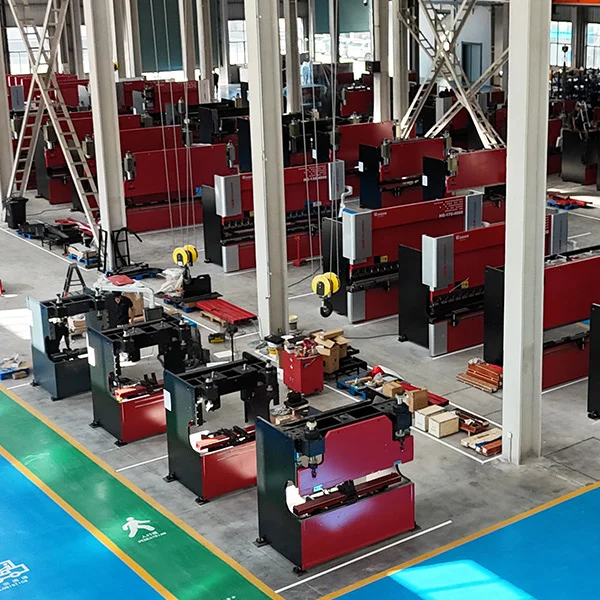
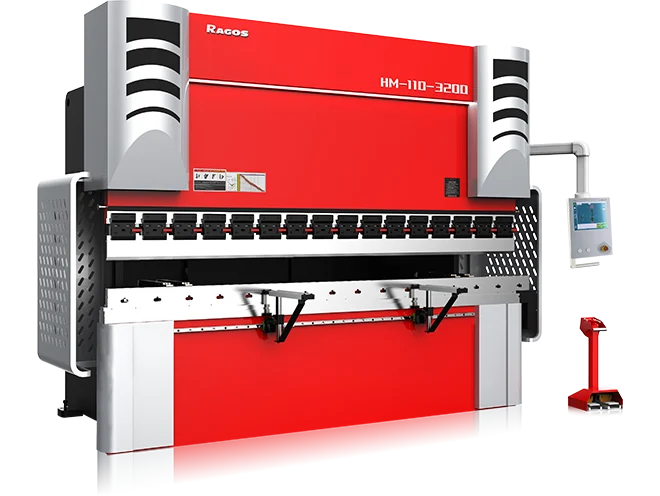
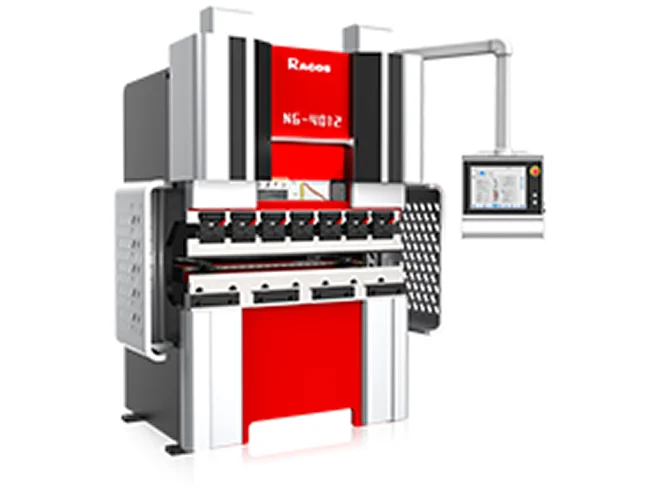
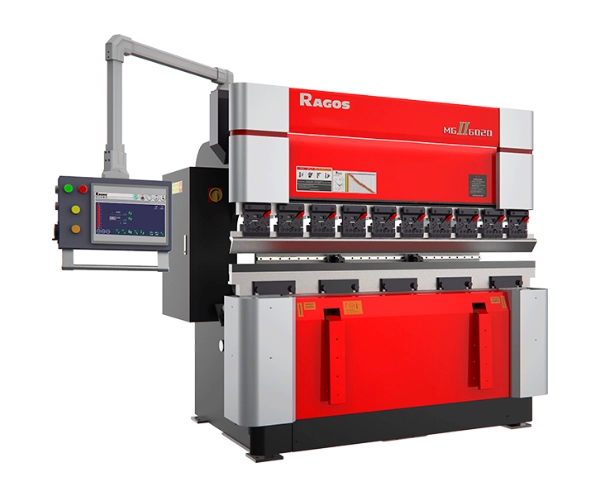
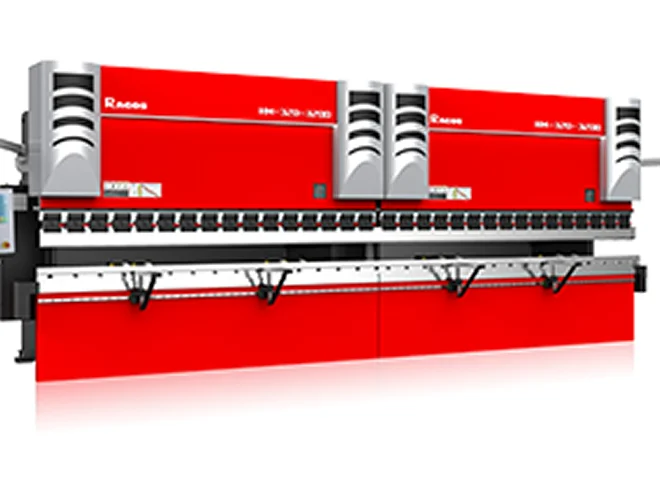
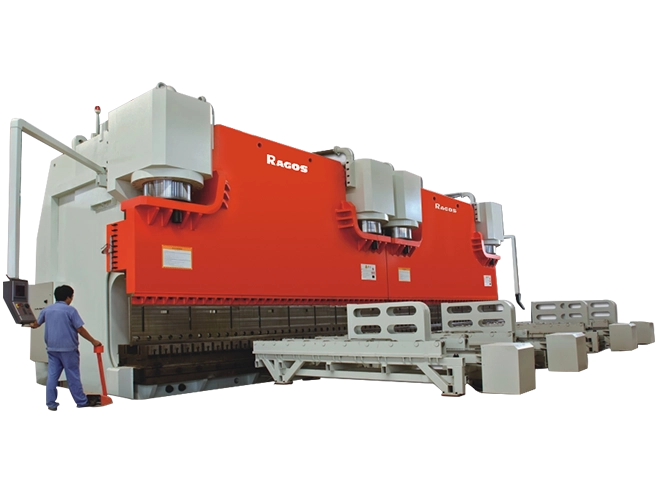
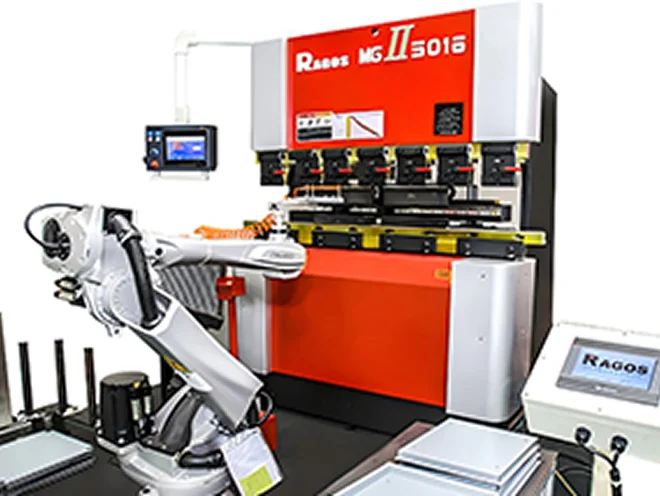
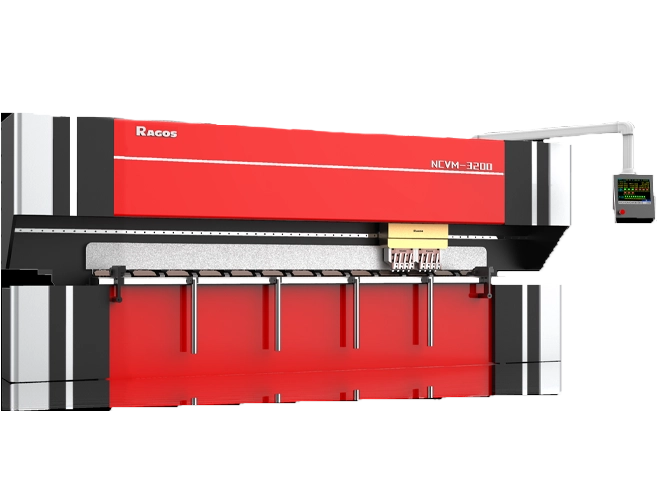
فرامل الضغط
-
المكبس الهيدروليكية والميكانيكية
-
مطاحن الدرفلة
-
القوالب والقوالب
-
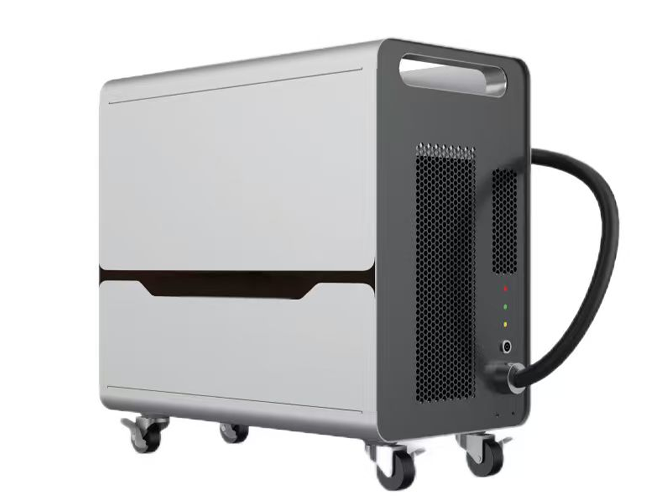
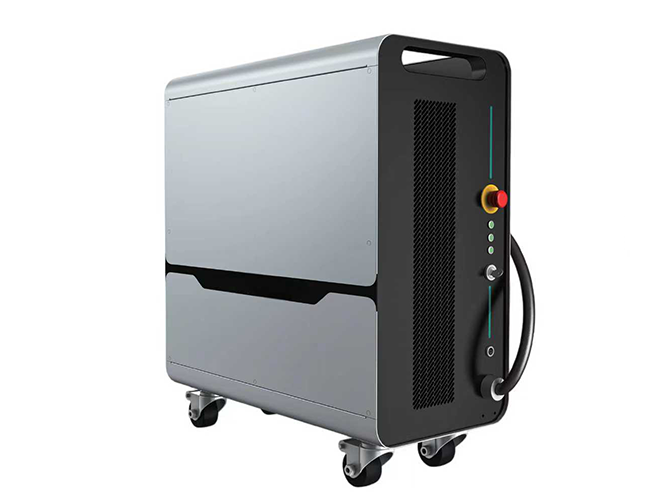
أنظمة القطع بالليزر
اختيار الأدوات يعتمد على خصائص المادة, سمك, تعقيد الهندسة, وحجم الإنتاج.
التطبيقات الصناعية
يدعم تشكيل المعادن العديد من الصناعات :
-
السيارات (الهيكل, لوحات الجسم)
-
الفضاء (المكونات الهيكلية)
-
البناء (العوارض, الأقواس)
-
الإلكترونيات الاستهلاكية (مرفقات, الموصلات)
كل قطاع يستخدم تقنيات تشكيل مختلفة بناء على القوة, دقة, ومتطلبات الإنتاج.
كيفية اختيار الطريقة المناسبة لتشكيل المعادن
اختيار العملية الصحيحة يتطلب تقييما:
-
خصائص المواد (قوة الانضمامية, الليونة)
-
السموحات المطلوبة
-
تعقيد الأجزاء
-
حجم الإنتاج
-
كفاءة التكلفة
اختيار طريقة غير صحيحة قد يؤدي إلى التشقق, التشويه, خردة مفرطة, أو نفقات أدوات غير ضرورية.
أفضل الممارسات لعمليات تشكيل المعادن
يركز ACCURL على الانضباط التشغيلي والتحكم في العمليات . تشمل أفضل الممارسات:
-
مطابقة الأدوات مع درجة المواد
-
صيانة معدات التشكيل بانتظام
-
التحكم في درجة الحرارة والقوة
-
تحسين تخطيط سير العمل
-
تدريب المشغلين على سلامة الآلات
اتساق العملية يؤثر مباشرة على جودة الأجزاء وطول عمر الجهاز.
السلامة في تشكيل المعادن
لأن تشكيل المعادن يتطلب قوة عالية ومعدات ثقيلة, بروتوكولات السلامة ضرورية .
تشمل المقاييس الرئيسية:
-
تدريب المشغلين
-
معدات الحماية الشخصية (معدات الحماية الشخصية)
-
الفحص الروتيني للمعدات
-
أنظمة التوقف الطارئ
-
الحماية الصحيحة للأجزاء المتحركة
ثقافة السلامة تحمي كل من الموظفين واستمرارية الإنتاج.
الخاتمة
يحول تشكيل المعادن المعادن الخام إلى مكونات أساسية تغذي الصناعة الحديثة. سواء كان من خلال التدحرج, الحدادة, الانحناء, أو الرسم العميق, كل طريقة تخدم غرض هيكلي ووظيفي محدد.
من خلال فهم تصنيفات درجات الحرارة, فئات الإجهاد, متطلبات الأدوات, واعتبارات السلامة, يمكن للمصنعين اختيار العمليات المثلى التي توازن الجودة, كفاءة, والتكلفة.