

قوة التحويل للمعدن: ماذا تعني ولماذا يهمه في التصنيع
عند الحديث عن تصنيع المعادن، غالبا ما يعتبر مصطلح القوة عاما، لكن يمكن فهم القوة بطرق مختلفة، بناء على طريقة تحميل المادة وطريقة تشكيلها. عند تشغيل عملية ثني، أو إعداد برامج فرامل الضغط، أو تحديد المواد على الأجزاء التي يجب أن تصمد أمام الأحمال الفعلية للخدمة، فإن قوة الخضوع هي واحدة من أكثر القيم الملائمة للمادة التي يمكنك تعلمها. يخبرك بمقدار الإجهاد الذي يمكن أن يتحمله معدن معين قبل أن يبدأ في التشوه بشكل دائم - وعندما تصل إلى تلك النقطة لن يعود الجزء إلى شكله الأصلي.
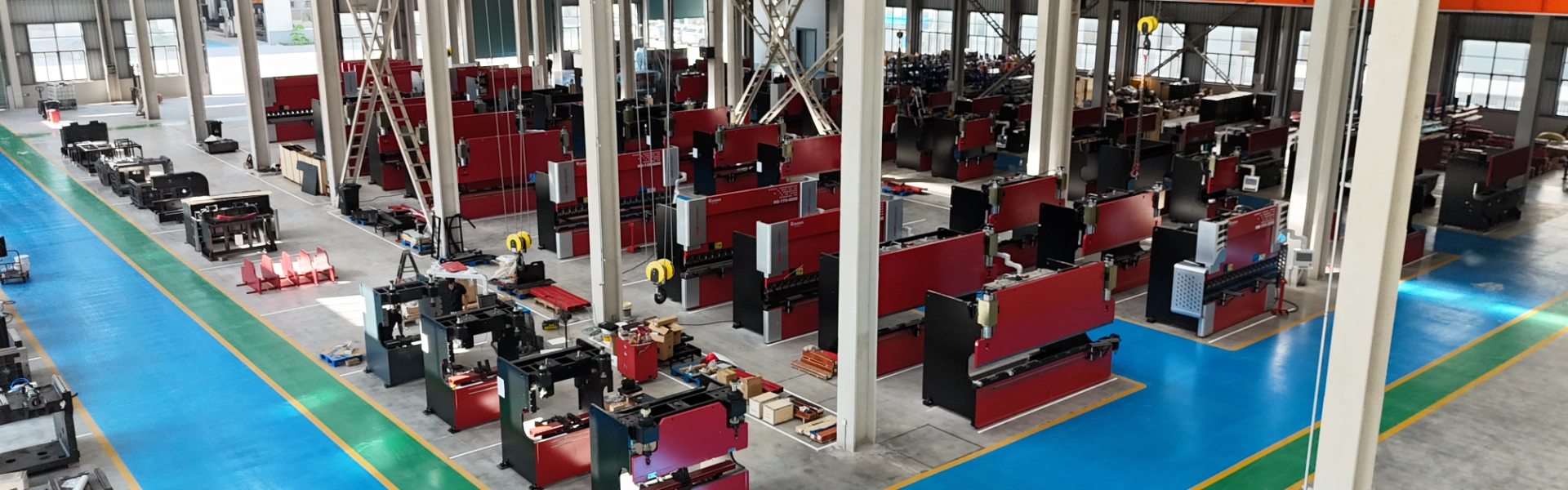
في معدات JSRAGOS الذكية، نتعامل مع مصنعين في السوق العالمية يطلبون أداء ثابتا في الانحناء على الفولاذ الطري والمواد المقاومة للصدأ إلى سبائك أقوى. يصف هذا الدرس قوة الخضوع بمصطلحات بسيطة، ويصور العلاقة بين قوة الخضوع وقوة الشد، ويؤكد تأثير القوة الأولى على عملية الانحناء والدوران والنجاح في التشكيل العام.
القوة مقابل الصلابة: لا تخلط بين الاثنين
هناك سوء فهم شائع وهو افتراض أن "صلب" تعني "قوية". الصلابة تصف مقاومة المادة للانبعاج أو التآكل السطحي، بينما تصف القوة كيف تتصرف المادة تحت الحمل—خاصة الشد والانحناء. المعدن يمكن أن يكون صلبا جدا لكنه عرضة للتشقق إذا كان يفتقر إلى اللونة، وهذا مهم عند تشكيله على فرامل الضغط.
ما هي قوة العائلة؟
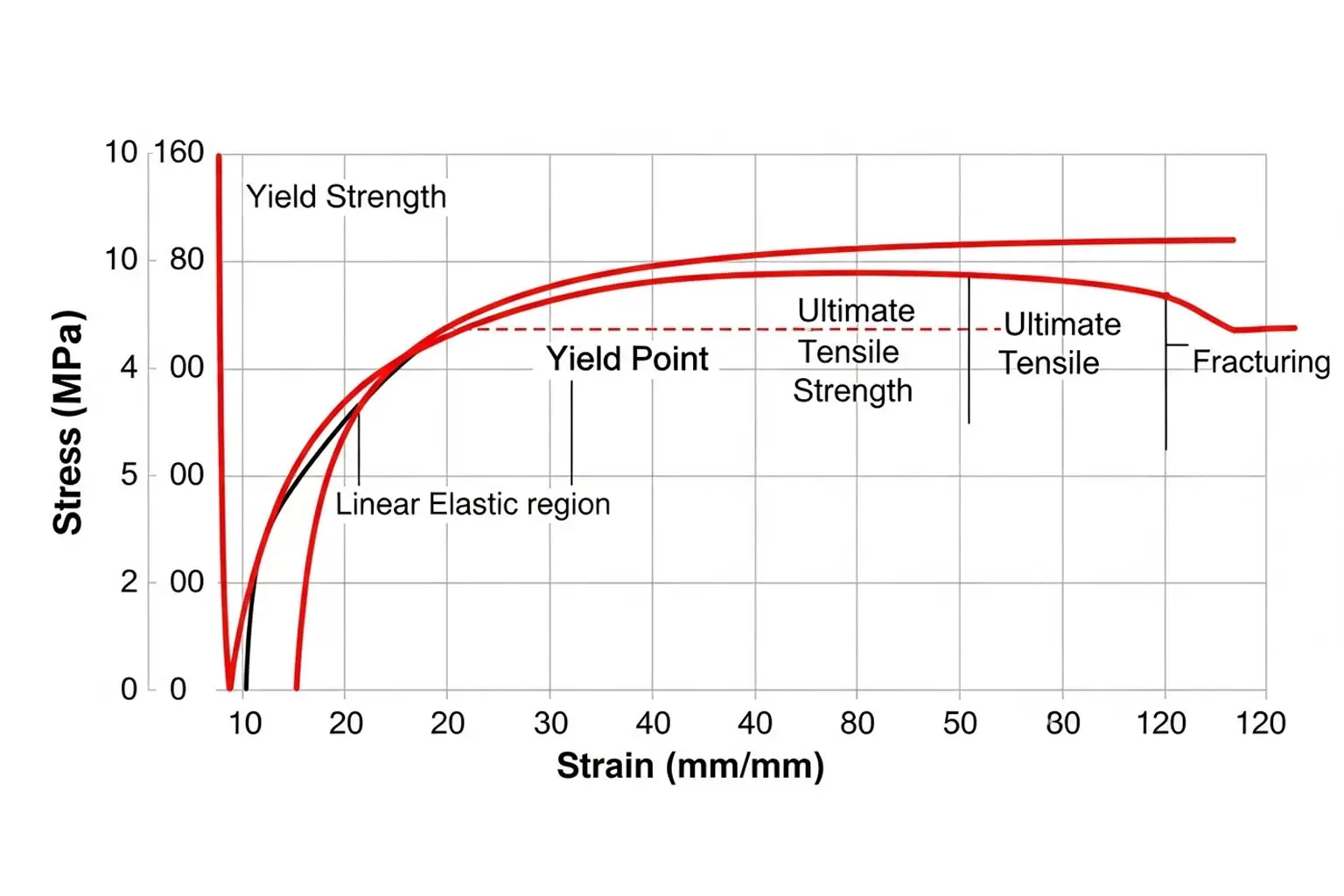
قوة الانسحاب هو مستوى الإجهاد الذي ينتقل عنده المعدن من المطاط السلوك إلى البلاستيك السلوك. تحت مستوى الخضوع، يتصرف المعدن كزنبرك: أزل القوة، ويعود (في الغالب) إلى شكله الأصلي. فوق الاندفاع، "يستسلم" المعدن ويبقى تغير دائم بعد إزالة القوة.
لهذا السبب بالضبط قوة الخضوع مهمة جدا في التكوين: الانحناء يتطلب دفع المادة الماضي نقطة التسليم للحفاظ على الزاوية الجديدة، لكن يجب تجنب الدفع بعيدا نحو الفشل.
تشوه المطاط مقابل البلاستيك: قصة الإجهاد-الإجهاد
تستجيب المعادن للقوة من خلال علاقة بين التوتر (القوة لكل مساحة) و الإجهاد (تشوه). في البداية، تكون العلاقة خطية إلى حد كبير—يرتفع الإجهاد وتتمدد المادة أو تنضغط بشكل متناسب. هذه المنطقة المبكرة هي النطاق المرن. مع استمرار زيادة الإجهاد، تقترب المادة من حد مرونة وتبدأ في التشوه البلاستيكي.
ستسمع أيضا مصطلحات مثل "الحد النسبي" و"الحد المرن". في المواد الحقيقية، التحول من المرن إلى البلاستيك ليس دائما زاوية حادة على المنحنى، ولهذا يمكن تعريف العائد باستخدام طرق موحدة.
عائد تعويض 0.2٪: لماذا يستخدم
نظرا لأن العديد من المعادن لا تظهر نقطة خضوع واضحة تماما، غالبا ما يحدد المهندسون قوة الخضوع باستخدام طريقة الإزاحة (عادة 0.2%). تحدد هذه الطريقة العائد عند كمية صغيرة ومحددة من الإجهاد الدائم بحيث يمكن مقارنة المواد المختلفة بشكل متسق. غالبا ما يطلق على هذا الاسم قوة الإثبات في المواصفات.
من الناحية العملية للورشة: إذا ذكرت ورقة البيانات قوة العائد، فقد تكون نقطة عائد حقيقية—أو قد تكون نسبة العائد الإثباتية بنسبة 0.2٪. في كلتا الحالتين، يستخدم الرقم للتنبؤ بكيفية تصرف المادة أثناء التكوين.
قوة الخضوع العليا والسفلية: لماذا يمكن أن يتصرف الفولاذ الطري بشكل "مختلف"
بعض المعادن—خاصة بعض أنواع الفولاذ الطري—يمكن أن تظهر الأعلى و أدنى نقاط التسلم. يبدأ التشوه البلاستيكي عند العائد العلوي، ثم يستقر في منطقة خسائر أقل استقرارا مع استمرار التشوه. في العديد من حسابات الهندسة الإنشائية، انخفاض العائد يستخدم لأنه أكثر اتساقا وموثوقية في التصميم.
قد يكون هذا مهما في التكوين لأن بداية الانحناء قد تبدو "مفاجئة"، وقد تتغير طريقة تدفق المعدن بسرعة بمجرد بدءه.
قوة الخضوع مقابل قوة الشد: ما الفرق؟
بينما تحدد قوة الخضوع نقطة التشوه الدائم، قوة الشد تصف مقدار الإجهاد الذي يمكن للمعدن تحمله تحت الشد قبل أن ينكسر.
لعمليات التشكيل، النموذج الذهني الأكثر فائدة هو:
-
يجب أن تتجاوز قوة الانضمامية لثني الجزء إلى شكله.
-
يجب أن تبقى بأمان في الأسفل قوة الشد لتجنب التمزق أو التشقق أو الكسر.
لهذا السبب غالبا ما يتم مناقشة الخضوع وقوة الشد معا عند التخطيط للثني أو الدرفلة أو عمليات التشكيل الأخرى.
لماذا تهم قوة الانحناء على فرامل الضغط
تظهر قوة الانحناء في عمل فرامل الضغط بثلاث طرق مباشرة:
1) تخطيط التوناج والقوة
عادة ما تعني قوة الخضوع الأعلى أن المعدن يقاوم التشوه أكثر—لذا عادة ما يتطلب قوة تشكيل أكبر للسمك وطول الانحناء وفتحة القالب. عندما يحسب المصنعون الحمولة للثني، تكون خصائص المواد (بما في ذلك سلوك الخضوع/الشد) جزءا من المنطق وراء "عوامل المواد".
2) سبرينغباك
الارتداد النابض هو ميل المعدن إلى "الاسترخاء" بعد الانحناء. المواد ذات قوة الخضوع الأعلى غالبا ما تظهر ارتداد ارتداد أكبر، لذا قد تحتاج إلى استراتيجيات تعويض (انحناء زائد) أو استراتيجيات تصحيح زاوية CNC.
3) خطر التشقق أو تلف السطح
المواد عالية القوة قد تكون أقل تسامحا إذا كانت أنصاف الانحناء ضيقة جدا أو إذا كانت الأدوات غير متطابقة. اختيار القوالب الصحيح، واختيار نصف قطر الثقب، وطريقة الانحناء تساعد في تقليل المخاطر—خاصة عندما تقترب من حدود المواد.
نصائح عملية للورش لإدارة قوة العائد أثناء التشكيل
-
أكد درجة المادة والمواصفات قبل البرمجة (لا تفترض "الفولاذ هو الفولاذ").
-
اختر فتحات القوالب وأشعاع قطر الثقب مناسب للسمك ومستوى القوة.
-
استخدم الانحناءات التجريبية للتحقق من ثبات الارتداد والزاوية قبل تشغيل دفعة.
-
حالة أدوات الساعات—الأدوات البالية يمكن أن تزيد الاحتكاك والعلامات، كما أنها تغير سلوك التشكيل.
-
استخدم أدوات التحكم CNC وميزات التعويض للتكرار عبر المشغلات والتغييرات.
الخلاصة النهائية
قوة الانحناء ليست مجرد مفهوم نموذجي—بل هي متغير يومي يؤثر على مقدار القوة التي تحتاجها فرامل الضغط، وكمية الارتداد التي ستواجهها، ومدى ثبات أجزاءك. من خلال فهم نقطة الانطلاق (وكيفية تعريفها)، يمكن للصانعين اختيار أدوات أفضل، وبرمجة الانحناء بدقة أكبر، وتقليل الخردة، وحماية جودة القطع.