

فرامل الضغط المخصصة للطيران: المواصفات, المواد, ودليل الاختيار للتشكيل الدقيق
ليس كل فرامل ضغط مؤهلة كفراملفرامل الضغط بدرجة فضائية. تتطلب صناعة الطيران دقة الانحناء ضمن ±0.01 مم, نتائج قابلة للتكرار على التيتانيوم وسبائك الألمنيوم عالية القوة, وتكوينات الآلات التي تدعم تتبع الإنتاج الكامل. فرامل الضغط CNC متعددة الأغراض — حتى لو كانت محددة جيدا — غالبا ما لا ترى إلى تلك المتطلبات بدون نظام القيادة المناسب, المتحكم, تولنج, ومعيار المعايرة.
هذا الدليل يوضح ما تعنيه فعليا درجة الطيران والفضاء في مصطلحات الآلات, ما المواصفات التي يجب البحث عنها, وكيفية اختيار فرامل الضغط المناسبة لأعمال تشكيل الطيران الدقيق.
ما الذي يجعل فرامل الضغط "درجة الطيران والفضاء"?
المصطلحفرامل الضغط بدرجة فضائية تشير إلى آلة تحقق الدقة, التكرار, ومتطلبات التتبع لمعايير تصنيع الطيران. ليست علامة تسويقية — بل هي عتبة قدرة محددة.
لكي تتأهل فرامل الضغط كدرجة طيران, يجب أن تفي بذلك.:
- دقة التموضع ±0.005 مم إلى ±0.01 مم على محور Y (كبش) والعيار الخلفي
- تكرار الانحناء الزاوي بمقدار ±0.1° أو أقل عبر إنتاجات كاملة
- قياس الزاوية في الوقت الحقيقي أو التصحيح النشط — ليس فقط معلمات محددة مسبقا
- القدرة الكاملة على تسجيل البيانات لتتبع سجلات القطع الفردية
- الاستقرار الميكانيكي عبر تغيرات درجات الحرارة ودورات الإنتاج الممتدة
عمليا, وهذا يعني أنظمة دفع سيرفو-كهربائي أو سيرفو-هيدروليكية فاخرة, المشفرات الخطية بدلا من الترميز الدوارة, وحدات تحكم CNC متقدمة مع تغذية راجعة زاوية., وإطارات الآلات الصلبة التي لا تنثني تحت الحمل.
مكابح CNC القياسية تستهدف تحديد الموقع بمقدار ±0.1 مم وتحمل زاوية ±0.5°. العمل في مجال الطيران يتطلب خمسة إلى عشرة أضعاف ذلك — وكل قرار مواصفات على الجهاز يجب أن يدعمه.
مواد الفضاء الجوي: ما الذي يجب أن تتعامل معه فرامل الضغط
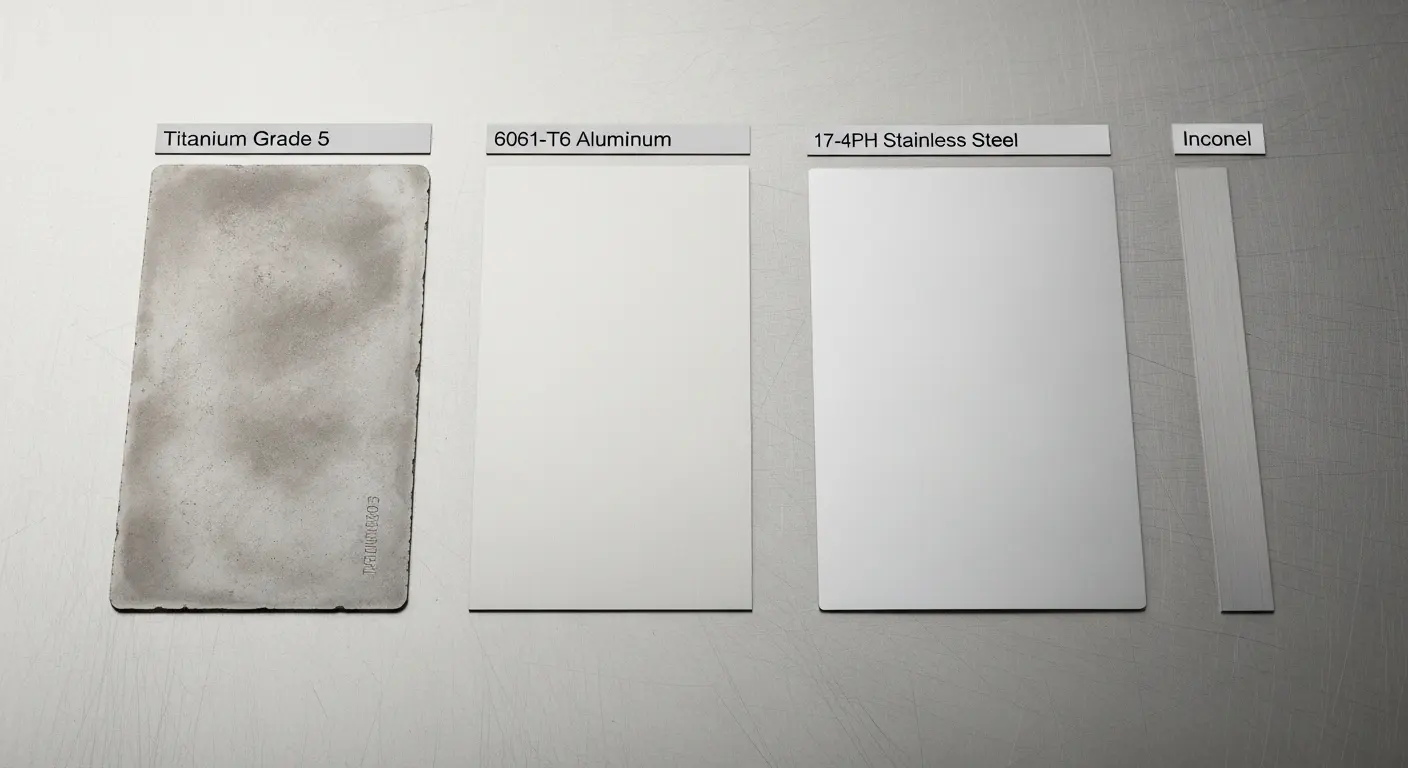
يستخدم تصنيع الطيران والفضاء درجات مواد تدفع فرامل الضغط بقوة أكبر بكثير من الأعمال الفولاذية القياسية. أفرامل الضغط بدرجة فضائية يجب أن تكون مهيأة للتعامل مع كل واحدة منها بشكل صحيح.
التيتانيوم (الصف الثاني, Ti-6Al-4V من الدرجة 5) — التيتانيوم هو أصعب مادة يمكن ثنيها باستمرار في مجال الطيران والفضاء. لديها نسبة قوة إلى وزن عالية, انطلاق مهم (عادة 3–5° لكل انحناء 90°), ونافذة ضيقة للمرونة. الانحناء السريع جدا يسبب تشققات. الانحناء بدون تعويض النوابض ينتج حواف غير متسامحة. عادة ما يكون نصف قطر الانحناء الأدنى 2–3× سماكة المادة للدرجة 5.
سبائك الألمنيوم (6061-T6, 7075, 2024) — يتراوح ظهر النابض من الألمنيوم العالي الفضائي من 1° إلى 2° لكل انحناء 90° على 6061-T6. السبائك ذات القوة الأعلى مثل 7075 و2024 أقل تسامحا. التشطيب السطحي مهم — الأسطح المؤكسدة والمغطاة تترك علامة سهلة بنصف قطر أدوات غير صحيح أو ضغط تثبيت مفرط.
إنكونيل وسبائك النيكل — تستخدم لمكونات المحرك والهياكل الحرارية. تتطلب هذه المواد حمولة أكبر بكثير مما يوحي به سمكها, وتتصلب بسرعة أثناء التشكيل. تآكل الأدوات عدواني.
الفولاذ المقاوم للصدأ (17-4 ضغط, 15-5 PH) — تتطلب درجات الفولاذ المقاوم للصدأ المقسى بالهطول المستخدمة في هياكل الفضاء تصحيحا دقيقا للانحناء — تعويض 2–3° لكل انحناء 90° في معظم الحالات.
فهم المادة الأساسية هو ما يدفع كل قرار مواصفاتكفرامل الضغط بدرجة فضائية — من اختيار الحمولة إلى متطلبات وحدة التحكم إلى الاستثمار في الأدوات.
معايير التسامح لأعمال فرامل الضغط بدرجة الطيران
السموحات في مجال الطيران ليست فقط أكثر صرامة — بل تختلف جوهريا عن معايير التصنيع العامة.
لأعمال الفرامل المضغوطة CNC القياسية, المعيار الصناعي هو:
- التموضع الخطي: ±0.1–0.2 مم
- التسامح الزاوي: ±0.5°
- دقة العداد الخلفي: ±0.15 مم
لفرامل الضغط بدرجة فضائية, المعايير المطلوبة هي:
- التموضع الخطي: ±0.01–0.05 mm
- التسامح الزاوي: ±0.1° إلى ±0.3°
- دقة العداد الخلفي: ±0.01 مم
- التكرار عبر 500 دورة: لا يوجد انحراف من معاملات المجموعة
ما يجعل هذا الأمر تحديا هو أن هذه التفاوتات يجب أن تحافظ عليها طوال فترة الإنتاج الكاملة — وليس فقط في المنعطف الأول لجهاز معاير حديثا. تغير درجة الحرارة, تآكل الأدوات, تغيرات لزوجة السائل الهيدروليكي, وانحراف الإطار تحت الحمل كلها تسبب انحرافا مع مرور الوقت. أفرامل الضغط بدرجة فضائية يدير كل هذه الأمور من خلال التعويضات النشطة, ليس مجرد إعداد دقيق.
للمتاجر التي تديرفرامل CNC ذات الزاوية المتغيرة مع تصحيح المستشعر في الوقت الحقيقي, هذه النطاقات قابلة للتحقيق — ولكن فقط عندما تكون مواصفات الجهاز الأساسية عند مستوى دقة الفضاء الجوي منذ البداية.
المواصفات الرئيسية لفرامل الضغط بدرجة الطيران
عند تقييم الآلات, هذه هي المواصفات التي تفصل التكوينات القادرة على الطيران وفرامل CNC القياسية.
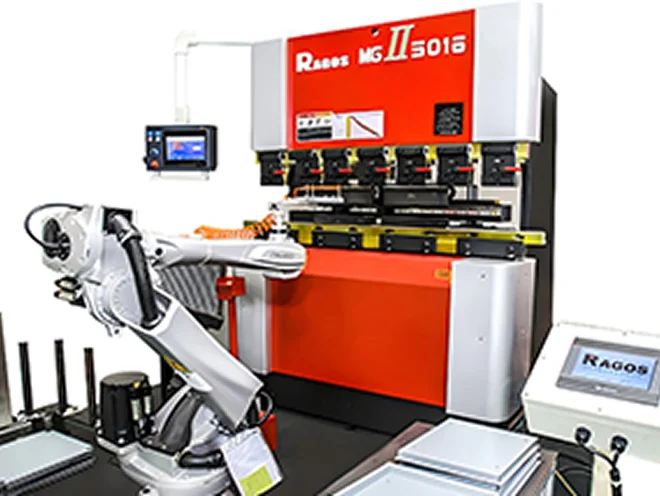
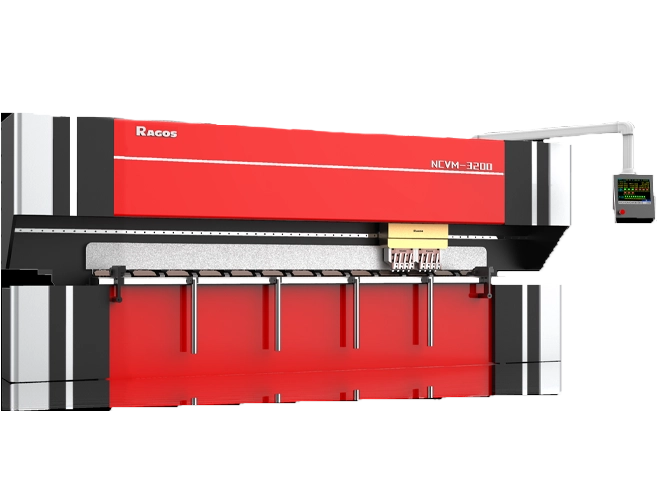
نظام القيادة — سيرفو-إلكتريك هو الخيار الأول من حيث دقة الطيران والفضاء. عدم وجود سائل هيدروليكي يعني عدم وجود لزوجة مع درجة الحرارة, أوقات استجابة أسرع, وتكرار التموضع عند ±0.005 mm. Aفرامل كهربائية بوزن 40 طنا يعد نقطة دخول عملية لمكونات الفضاء الأصغر وأعمال النماذج الأولية.
نوع المشفر — المشفرات الخطية على مقياس زجاجي على محور Y إلزامية لدقة الفضاء الجوي. المشفرات الدوارة على عمود المحرك تدخل اللعب الميكانيكي. تقيس المشفرات الخطية موقع الرام الفعلي مباشرة, لم يتم استنتاج الموقع عبر نظام الدفع.
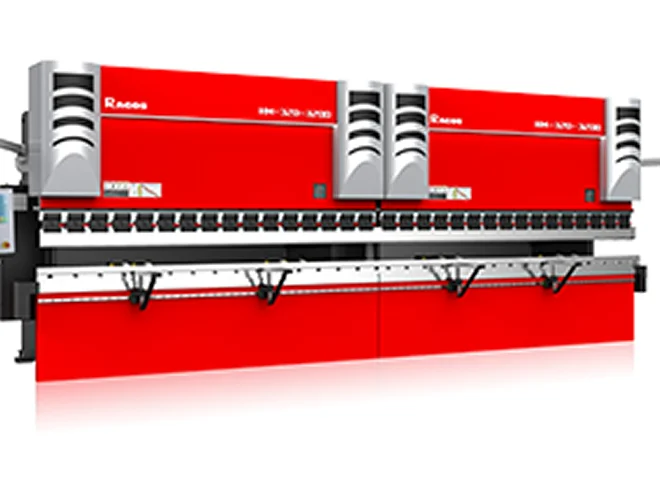
عدد المحور — غالبا ما تحتوي أجزاء الطيران والفضاء على عدة حواف, الهندسة المعقدة, وميزات التسامح القريب التي تتطلب إعادة تموضع العداد الخلفي بدقة في منتصف التسلسل. تكوين من 6 محاور (السنة الأولى, السنة الثانية, X, R, Z1, Z2) هو المعيار لأعمال الطيران متعددة الانحناءات. للأجزاء ذات خطوط الانحناء الطويلة الحساسة للتاج, محور V (التتويج النشط) كما أن ذلك مطلوب.
تحكم CNC — يجب على وحدة التحكم دعم قواعد بيانات تعويضات النوابض لكل درجة مادية, تكامل قياس الزاوية في الوقت الحقيقي, وتسجيل بيانات الإنتاج. تفي وحدات التحكم مثل Delem DA69S وDA69T بهذه المتطلبات.
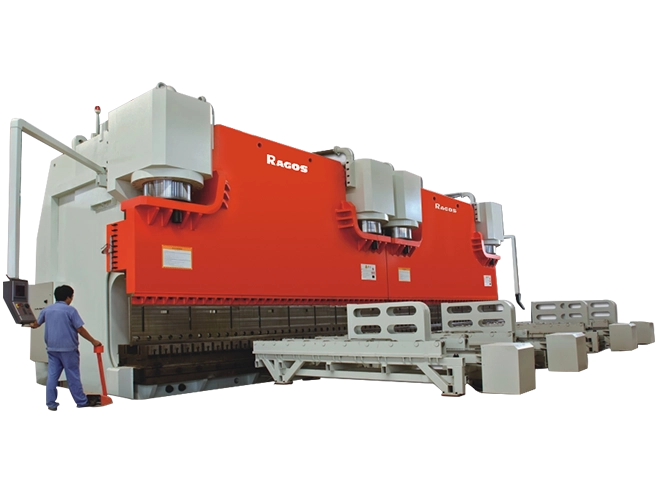
صلابة الإطار — دقة الطيران تتطلب إطارا لا ينحني تحت الحمل. تخفيف التوتر, تحافظ الإطارات المعالجة بالألياف CNC ذات الهيكل المغلق على شكل C أو O على التوازي بين الرام والقاعدة تحت الحمولة الكاملة.
Aاضغط على فرامل الضغط مع محرك سيرفو يجمع بين دقة التموضع وخصائص الطاقة التي يتطلبها العمل في الفضاء الجوي, بدون تعقيد إدارة السوائل الذي توفره أنظمة هيدروليكية كاملة.
سيرفو-إلكتريك مقابل سيرفو-هيدروليكي: أيهما أفضل لمجال الطيران والفضاء?
كلا نظامي القيادة يمكن أن يصلوا إلى مستويات دقة في الفضاء الجوي. الفرق يكمن في كيفية وصولها إلى هناك وما تكلف صيانة.
| المواصفات | سيرفو-إلكتريك | سيرفو-هيدروليكي |
|---|---|---|
| دقة التموضع | ±0.005 mm | ±0.01–0.02 مم |
| استقرار درجة الحرارة | ممتاز — لا يوجد تغيير في لزوجة السائل | جيد — مع هيدروليكيات مضبوطة في درجة الحرارة |
| وقت الاستجابة | سريع جدا | بالكاد (يعتمد على صمام السيرفو) |
| نطاق الحمولة | أفضل ما يصل إلى ~200T | أفضل من 150 طن للأعمال الثقيلة |
| صيانة | منخفض — لا يوجد سائل هيدروليكي | متوسط — سائل, الأختام, المرشحات |
| استخدام الطاقة | المحرك السفلي — يعمل المحرك فقط عند الطلب | أعلى — المضخة تعمل باستمرار |
| أفضل تطبيق | مكونات الطيران الدقيقة, مادة رقيقة | أجزاء الطيران الهيكلي, تكوين الحمولة العالية |
بالنسبة لمعظم أعمال صفائح الطيران — الأقواس, الأضلاع, الجلود, والحاويات في نطاق 0.5 مم إلى 6 مم — المحرك الكهربائي هو الخيار الواضح. غياب تغير السائل الهيدروليكي يعني أن الآلة تؤدي بشكل متشابه عند أول منعطف للانحناء والأخير.
للمكونات الهيكلية الأثقل في الفضاء الجوي حيث يتجاوز الحمولة 200 طنونة, يمكن لنظام سيرفو-هيدروليكي فاخر مزود بسائل متحكم في درجة الحرارة وصمامات سيرفو نسبية أن يلبي متطلبات دقة الفضاء الجوي, بتكلفة رأسمالية أقل لسعة عالية الحمل.
أدوات لثني الفرامل المضغوطة بدرجة الطيران
الجهاز وحده لا يوفر دقة في الفضاء الجوي. الأدوات مهمة بنفس القدر فيفرامل الضغط بدرجة فضائية.
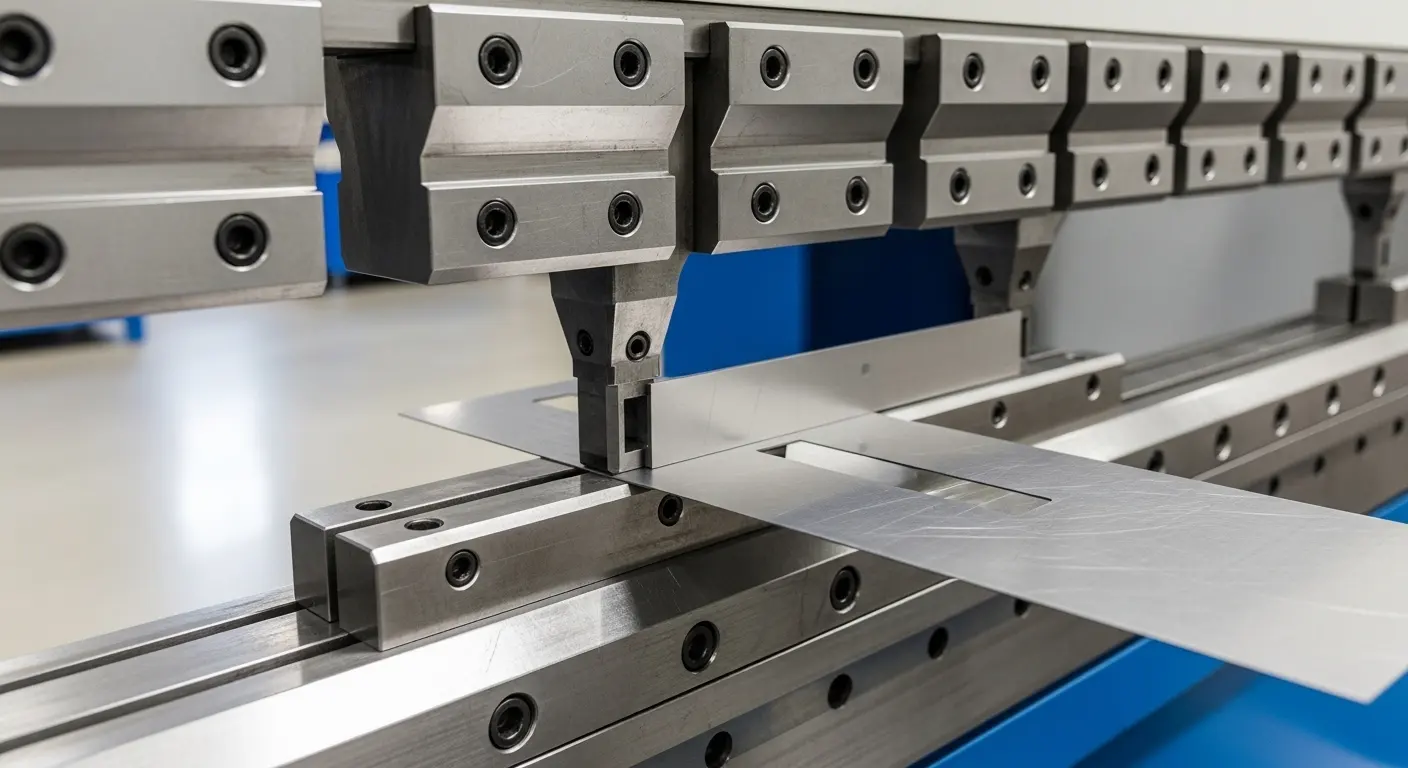
نصف قطر الثقب للتيتانيوم — يتطلب التيتانيوم نصف قطر أنف ثقب أكبر من الفولاذ ذو السماكة المكافئة. قاعدة عامة هي الحد الأدنى لسمك المادة 3× ل Ti-6Al-4V. تبدأ أقطار القطر الحاد التشقق عند خط الانحناء في التيتانيوم, حتى عندما يتم التحكم بشكل صحيح في سرعة انحناء الآلة.
صلابة سطح الأداة — عادة ما تستخدم أدوات الطيران والفضاء فولاذ أدوات مطحونة بدقة مع صلابة سطحية تتراوح بين 58–62 HRC. الأدوات الأكثر ليونة تتآكل أسرع تحت التيتانيوم والفولاذ عالي القوة, ويؤدي تدهور السطح إلى تغيير الزاوية خلال فترات الإنتاج.
اتساق ارتفاع الأداة — من أجل دقة الطيران والفضاء, يجب أن تتطابق جميع الأدوات في إعداد متعدد المحطات مع ارتفاع ضمن ±0.01 مم. التثبيت الدقيق على طراز ويلا مع مقابس أدوات ذاتية الجلوس هو المعيار في تكوينات الطيران.
التحكم في الفراغ للأسطح المغطاة والمؤكسدة — العديد من أجزاء الألمنيوم في مجال الطيران تحتوي على طلاءات واقية. قوالب V القياسية ذات الأسطح المغطاة بأشعة نصف قطر الكتف الحادة. تحمي إدخالات قوالب البولي يوريثان أو أنصاف القطر المصقولة سلامة السطح أثناء التشكيل.
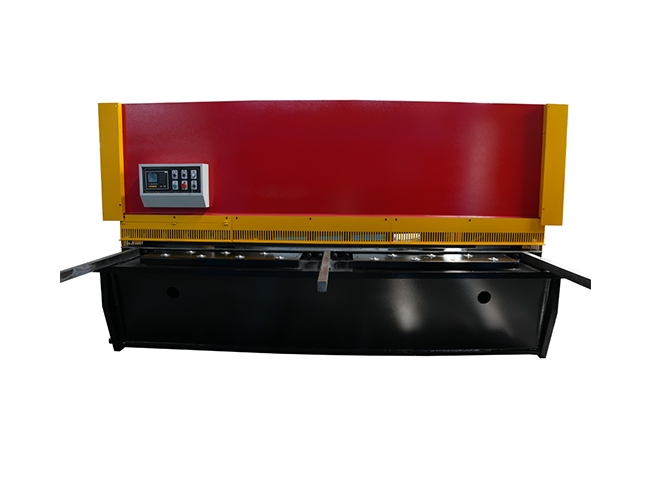
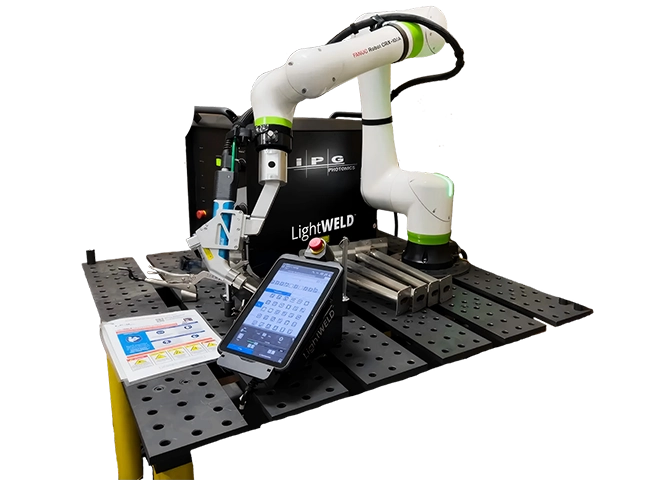
أدوات جيدة معفرامل الضغط بدرجة فضائية يحافظ على الدقة طوال فترات الإنتاج الطويلة — وليس فقط في الإعداد الأولي. القص معدني هيدروليكي ثقيل للفراغ الدقيق وآلة لحام روبوتية MIG/TIG في التجميع اللاحق، أكمل سير العمل الكامل للتصنيع الدقيق الذي تتطلبه سلاسل توريد الطيران.
الجودة, التتبع, والامتثال في انحناء الطيران والفضاء
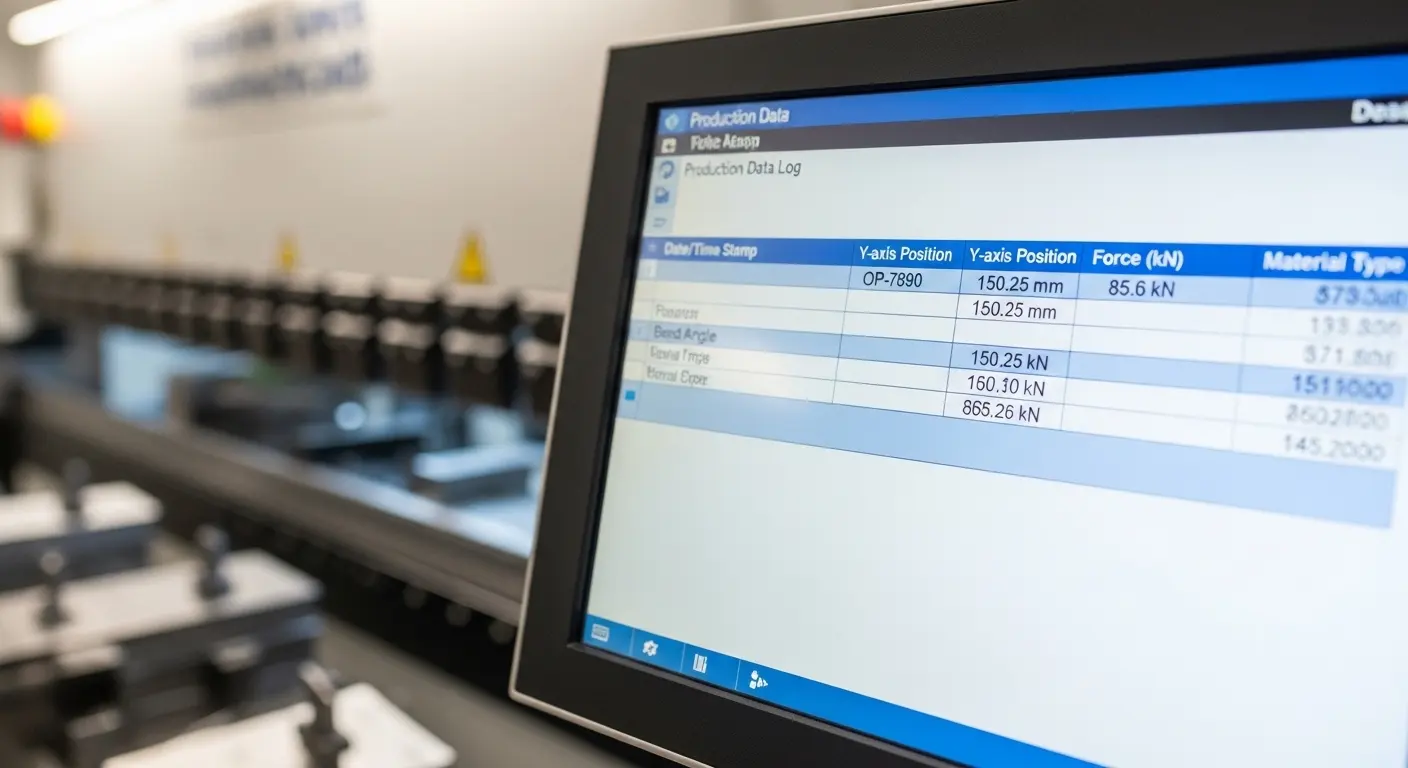
عملاء الطيران لا يشترون القطع فقط — بل يراجعون العملية التي تنتجها. أفرامل الضغط بدرجة فضائية يحتاج إلى دعم نظام إدارة الجودة في متجرك, ليس فقط القيام بمنحنيات دقيقة.
AS9100 ريفيوز D — معيار إدارة الجودة لمصنعي الطيران والفضاء. يجب أن يكون جهاز التحكم CNC في فرامل الضغط قادرا على تسجيل معايير الانحناء (القوة, موضع المحور Y, موضع المقياس الخلفي, التاريخ/الوقت, معرف المشغل) لكل فترة إنتاج. بعض العملاء يطلبون تتبع كل جزء على المكونات التسلسلية.
اعتماد NADCAP — غالبا ما تحتاج الورش التي تزود الشركات الكبرى المصنعة لصناعة الطيران إلى شهادة NADCAP لعمليات خاصة تشمل تشكيل الصفائح المعدنية. وهذا يتطلب ضوابط عملية موثقة, سجلات معايرة الآلة, وشهادات المواد المرتبطة بكل دفعة إنتاج.
معايرة الآلة والشهادات — إنفرامل الضغط بدرجة فضائية يجب معايرتها على فترات منتظمة باستخدام معايير قابلة للتتبع. تحدد معظم عقود توريد الطيران تردد المعايرة (عادة كل 6–12 شهرا) وتتطلب توفر سجلات المعايرة عند الطلب.
تفتيش المادة الأولى (DO) — يطلب مشترو الطيران بشكل روتيني وثائق FAI حول القطع الجديدة, بما في ذلك قياسات زاوية الانحناء, قياسات طول الحافة, وشهادات المواد. يجب أن تكون وحدة تحكم CNC في جهازك قادرة على تصدير معايير الإنتاج المستخدمة في كل تشغيل FAI.
للمتاجر التي تبحث عنفرامل الضغط بدرجة فضائية من موردين أجانب, تأكيد توفر وثائق الامتثال قبل الشراء يتجنب الفجوات المكلفة في الشهادات بعد التسليم.
كيفية تقييم فرامل ضغط بدرجة فضاء وفضاء قبل الشراء
استخدم هذه الأسئلة الخمسة لتقييم أي جهاز قبل الالتزام بالشراء.
1. ما هي دقة التموضع الفعلية — مقاس, غير مصنف?
اطلب تقارير اختبار معايرة مستقلة, ليس فقط مطالبات ورقة البيانات. دقة الطيران في الفضاء عند ±0.0يجب التحقق من 1 مم تحت الحمل, ليس فقط عند القوة الصفرية.
2. ما نوع المشفر المستخدم على محور Y?
تأكد من أن مشفرات الزجاج الخطية هي المعدات القياسية, ليست ترقية اختيارية. المشفرات الدوارة غير مقبولة في مستويات دقة الفضاء الجوي.
3. هل يدعم جهاز التحكم تعويض النابض الخلفي لكل درجة مادية؟?
يشمل العمل في مجال الطيران عدة سبائك ذات سلوك نابض مختلف. تحتاج وحدة التحكم الخاصة بك إلى قاعدة بيانات مواد قابلة للبرمجة — وليس مجرد قيمة تصحيح واحدة.
4. هل يمكن للآلة تسجيل وتصدير بيانات الإنتاج لكل دفعة أو لكل جزء?
يتطلب تتبع AS9100 هذا. تأكد من أن وحدة التحكم لديها قدرة تصدير USB أو الشبكة مع تضمين تسجيل المعلمات.
5. ما هو تصنيف دقة الجهاز بعد التثبيت الحراري?
قد تحدد الآلة ±0.01 ملم بارد, لكنها تنجرف تحت درجة حرارة التشغيل. اطلب بيانات الدقة بعد ساعتين من تشغيل الإنتاج — هذه هي المواصفات التشغيلية الحقيقية.
الأسئلة الشائعة حول فرامل الضغط المخصصة للطيران
ما هي فرامل الضغط بدرجة فضاء?
فرامل الضغط بدرجة الفضاء هي فرامل ضغط CNC تلبي معايير الدقة والتكرار المطلوبة لصناعة الطيران. عادة ما يوفر دقة تموضع تبلغ ±0.005–0.01 مم, التكرار الزاوي ±0.1°–±0.3°, تصحيح الزنبرك النشط للارتداد, وتسجيل بيانات الإنتاج بالكامل لسهولة التتبع.
ما هي الدقة التي يتطلبها التحكم في الطيران الفضائي؟?
عادة ما يتطلب الانحناء الجوي تسامحا زاويا من ±0.1° إلى ±0.3° وتحديد موضع خطي بمقدار ±0.01 مم إلى ±0.05 mm. يجب أن تحافظ هذه التسامحات على مدار الإنتاج الكامل, ليس فقط في الإعدادات الأولية. هذا أكثر تشددا بمقدار 5–10× من تحولات التصنيع العامة.
هل يمكن لفرامل الضغط الهيدروليكية تحقيق دقة عالية المستوى في الفضاء الجوي?
نعم, فرامل ضغط هيدروليكية سيرفو فاخرة مع مشفرات خطية, سائل متحكم في درجة الحرارة, وصمامات سيرفو النسبية يمكن أن تصل إلى مستويات دقة في الفضاء الجوي. لتحقيق أقصى دقة — خاصة على التيتانيوم الرقيق والألمنيوم — أنظمة الدفع السيرفو-كهربائي أكثر اتساقا لأنها تلغي تباين السوائل الهيدروليكية.
ما هي المواد التي يتعامل معها مكابح الضغط الفضائية?
مكابح الضغط الفضائية تتعامل مع التيتانيوم (الصف الثاني والصف الخامس), سبائك الألمنيوم (6061-T6, 7075, 2024), الفولاذ المقاوم للصدأ المقسى بالترسيبات (17-4 ضغط, 15-5 PH), إنكونيل, وسبائك أخرى تعتمد على النيكل. كل مادة تتطلب تعويضا محددا للارتداد النابض, نصف قطر الأدوات, وإعدادات سرعة الانحناء.
ما الفرق بين فرامل الضغط الفضائية وفرامل CNC القياسية?
تستهدف فرامل الضغط CNC القياسية تحديد الموقع بقطر ±0.1 مم وزاوية تحمل ±0.5°. استهدف فرامل الضغط بدرجة فضاء ±0.005–0.0تحديد الموقع بطول 1 مم وتحمل زاوي ±0.1°–±0.3° — عادة من خلال مشفرات خطية, محرك سيرفو-كهربائي, قياس الزاوية النشطة, وتصحيح متقدم للنابض الخلفي لا تتضمنه الأجهزة القياسية.