

آلة ثني لوحة المصعد: دليل المشتري لمعدات CNC وثني الألواح
أآلة ثني لوحة المصعد يجب أن تفعل شيئا لا تفعله معظم آلات التصنيع: الشكل الكبير, مسطح, ألواح بجودة تجميلية تصل إلى تجميع محكم دون ترك أي علامة على السطح. جدران كبائن المصعد, أبواب, ولوحات السقف مرئية للمستخدمين النهائيين يوميا — أي انبعاج, خدش, أو يظهر انحراف الزاوية أثناء التركيب ويكلف وقتا للتصحيح. الآلة التي تختارها لهذا العمل تحدد سرعة الإنتاج وجودة التصنيع الخاصة بك.
يغطي هذا الدليل أنواع اللوحات, خيارات الآلات, المواصفات الرئيسية, ومعايير الاختيار التي تهم تصنيع ألواح المصاعد.
ما هي آلة ثني لوحات المصعد?
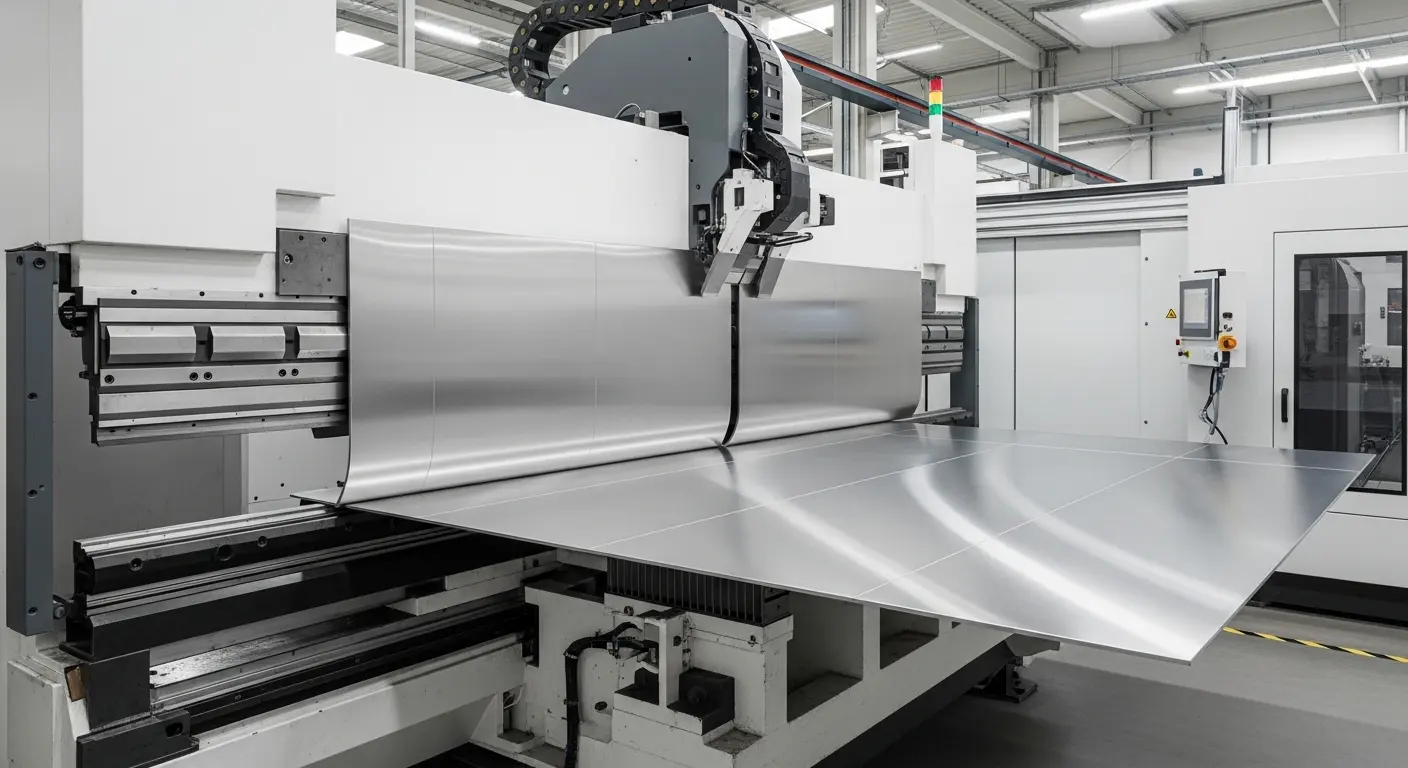
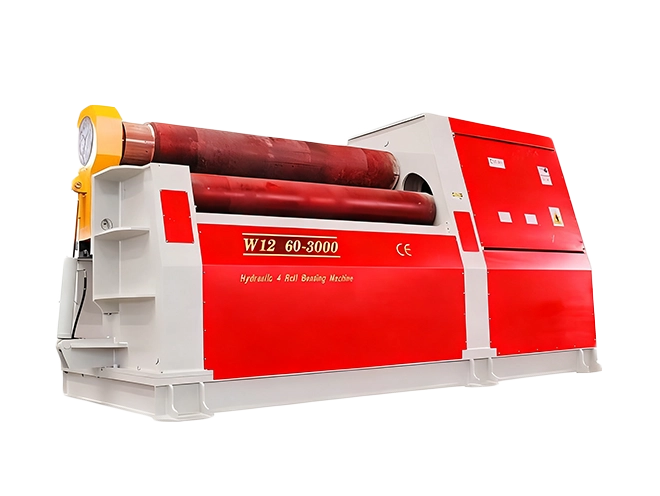
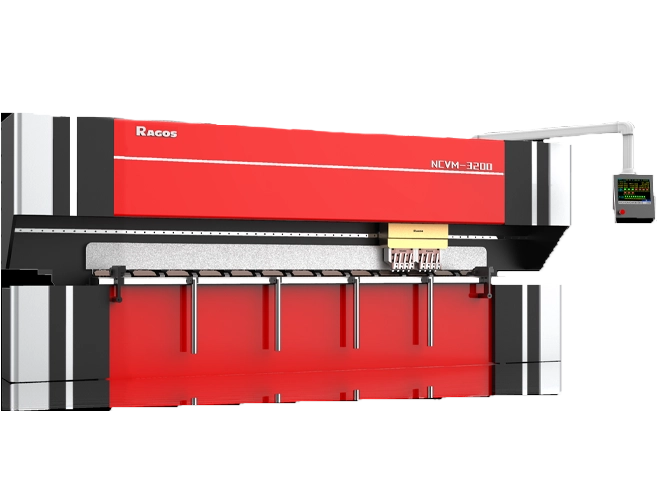
أآلة ثني لوحة المصعد هي آلة يتم التحكم بها بواسطة CNC — إما آلة ثني الألواح أو مكبح ضغط CNC — تستخدم لتشكيل صفائح معدنية في جدران المقصورة, بواسطة اللوحات, ألواح السقف, ألواح الحافة, والهياكل الهيكلية التي تشكل تركيب مصعد كامل.
يستخدم نوعان رئيسيان من الآلات في إنتاج ألواح المصاعد:
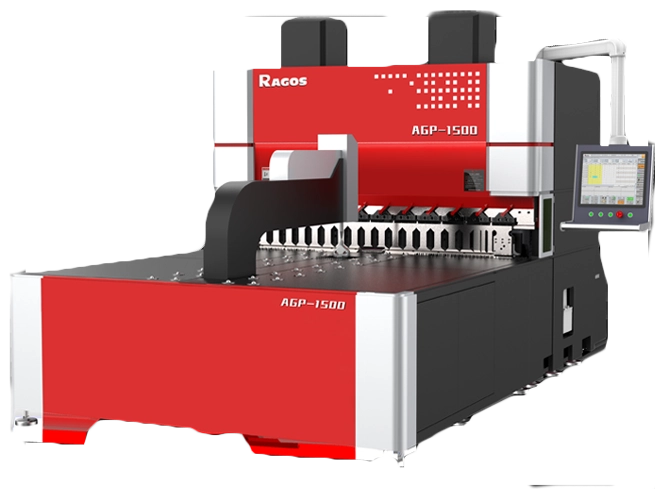
مثني لوحة CNC — يستخدم مبدأ الانحناء بالتثبيت والتأرجح لتشكيل عدة حواف على صفيحة واحدة في دورة آلية واحدة. يتم تثبيت الغطاء بواسطة عارضة تثبيت بينما تتأرجح شفرات الانحناء العلوية والسفلية حولها, مما يخلق انحناءات من جميع الجهات دون إعادة تموضع يدوية. الإعداد آلي, التلامس السطحي ضئيل, وأوقات الدورات سريعة. ألواح التحكم من علامات تجارية مثل Salvagnini, بريما باور, وLVD شائعان في تصنيع المصاعد ذات الحجم الكبير.
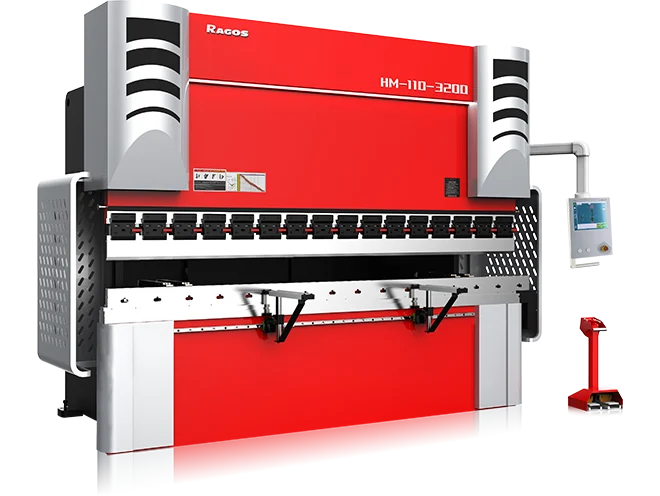
الفرامل الصحافة CNC — يستخدم مجموعة الضرب والقالب لتشكيل انحناءة واحدة في كل مرة. أكثر مرونة من الألواح التي تثني الألواح, يتعامل مع مواد أكثر سمكا وهندسة أكثر تعقيدا, وتكلفة أقل بكثير. بالنسبة لورش المصاعد التي تنتج تصاميم كبائن متنوعة بأحجام دفعات مختلطة, تتعامل فرامل CNC ذات المحور العالي مع مزيج المهام الذي يواجه إعداد ثني الألواح الثابتة.
الاختيار الصحيح يعتمد على حجم اللوحة, نسخ المقصورة, متطلبات التشطيب السطحي, والميزانية — وكل ذلك يتناوله هذا الدليل.
أنواع لوحات المصاعد: ما الذي يجب أن تشكله الآلة
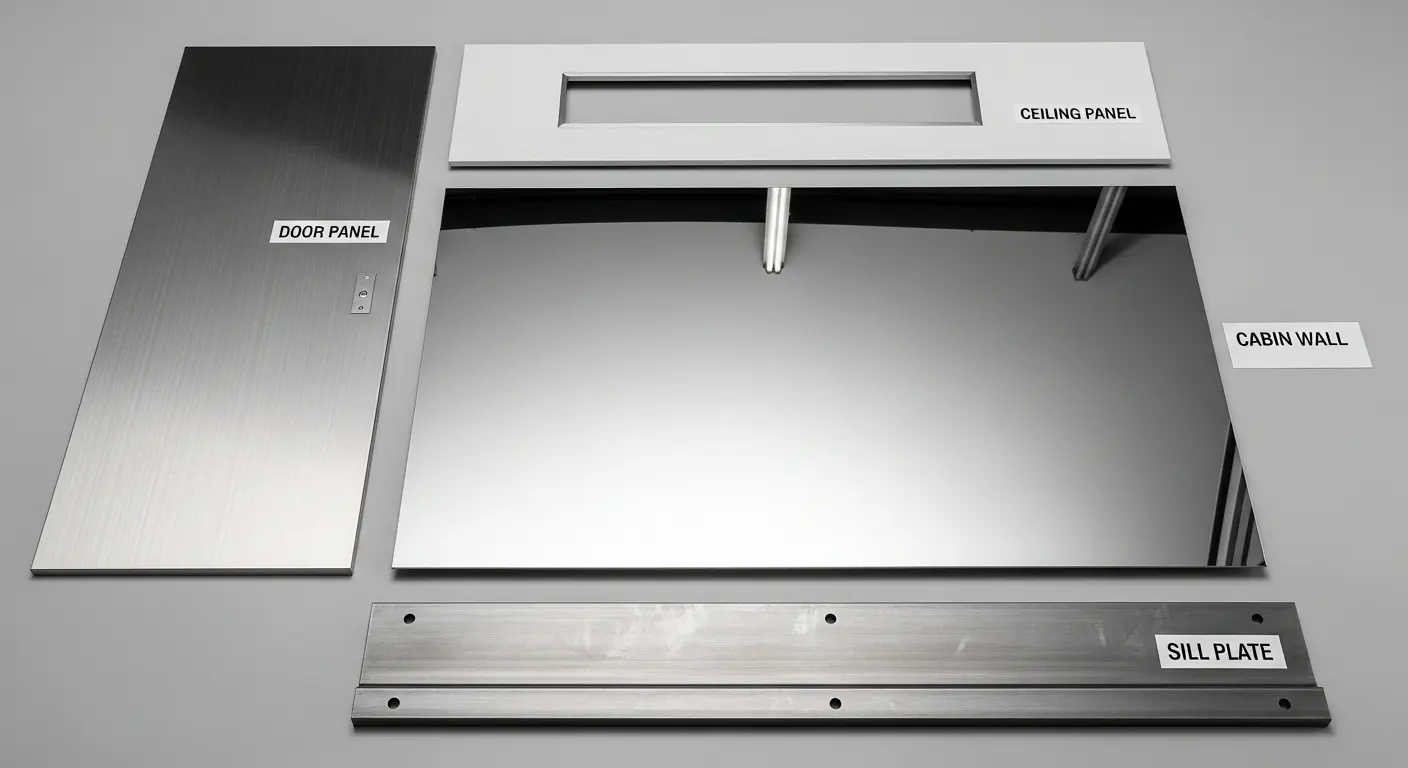
فهم كل عنصر في مقصورة المصعد يساعدك على تحديد ما هو بالضبطآلة ثني لوحة المصعد يحتاج للتعامل مع.
ألواح جدران الكوخ — عادة من الفولاذ المقاوم للصدأ من 1–2.5 مم أو الفولاذ المطلي مسبقا. الألواح المسطحة الكبيرة (حتى 2000 مم × 1200 مم في المصاعد السكنية القياسية) مع ملفات شفة بسيطة نسبيا. التحدي يكمن في الحفاظ على التسطح عبر عرض اللوحة بالكامل — أي انحناء أو انحناء يخلق فجوات مرئية أثناء التركيب.
ألواح أبواب المصاعد — ألواح الأبواب المنزلقة باللون المقاوم للصدأ 1.2–2 مم, يتطلب حواف حواف دقيقة وأبعاد ارتفاع متسقة عبر عدة لوحات في المجموعة. يجب أن تتطابق ألواح الأبواب في نفس التركيب ضمن ±0.5 مم — وإلا فإن فجوة الأبواب تتغير بشكل واضح.
ألواح السقف — الألواح ذات المقياس الرفيع (0.8–1.5 مم) مع إطارات متدحرجة أو فتحات إضاءة. غالبا ما تزين بمرآة أو الفولاذ المقاوم للصدأ المثقوب. يتطلب تكوين شفة نظيفة عند نصف قطر ضيق مع عدم وجود علامات تلامس سطحي.
هياكل السيارات ولوحات الحافة — مكونات الفولاذ الطري الهيكلي بسماكة 3–6 مم. أقل تطلبا من الناحية التجميلية مقارنة بألواح المقصورة الداخلية لكنها تتطلب دقة أبعاد لتناسب القضبان التوجيهية وآليات الأبواب بشكل صحيح.
التشطيبات الداخلية وملفات الزوايا — صغير, قطع معقدة متعددة الانحناءات تحدد تشطيب المقصورة. عدد الانحناء العالي لكل جزء, الهندسة المحكمة, غالبا ما تكون مصنوعة من الفولاذ المقاوم للصدأ المزخرف بحجم 1 مم أو الألمنيوم المصقول.
كل نوع من هذه المكونات يفرض متطلبات مختلفة علىآلة ثني لوحة المصعد من حيث التعامل مع المواد, حماية السطح, ودقة الانحناء.
لماذا تطلب ألواح المصاعد الانحناء
لوحات المصاعد تبدو بسيطة في الرسم. عمليا, وهي من بين الأجزاء الصفائح المعدنية الأصعب في الإنتاج بشكل منتظم.
تسطح الألواح الكبيرة — يجب أن تبقى لوحة جدار المقصورة بحجم 2000 مم × 1200 مم من الفولاذ المقاوم للصدأ 1.5 مم مستوية بين 1–2 مم عبر كامل سطحها بعد التكوين. الانحناء الناتج عن الإجهاد المتبقي في الصفيحة الرقيقة يسبب انحناءة نابضة عبر واجهة اللوحة. الآلات التي لا تفتقر إلى قوة الانحناء بدقة تزيد من هذه المشكلة عبر كل لوحة في عملية الإنتاج.
حساسية التشطيب السطحي — تشطيب المرآة (بكالوريوس), خط الشعر, والأسطح المصنوعة من الفولاذ المقاوم للصدأ المصقول تترك علامة دائمة من ملامسة الأدوات, جزيئات معدنية, أو سحب على أكتاف النرد. أآلة ثني لوحة المصعد بالنسبة لأعمال المصاعد المقاوم للصدأ تحتاج إلى طاولات فرشاة, أدوات رولا-في أو قوالب البولي يوريثان, وأنظمة مشبك غير محددة لحماية السطح في كل منعطف.
متطلبات تحمل التجميع — يتم تجميع ألواح مقصورة المصاعد في الموقع مع وصلات متشابكة, المثبتات, ووصلات اللاصق. لوحة جدار المقصورة التي تكون عرضها بمقدار 1 مم أو زاوية الحافة غير دقيقة بمقدار 0.5° تسبب مشاكل في التركيب — وتعديل الألواح الهيكلية للمصاعد ليس خيارا.
عدد الانحناءات العالي لكل مقصورة — عادة ما تتطلب مقصورة المصعد الكاملة 50–150 انحناءة منفصلة عبر جميع المكونات. على نطاق الإنتاج — من 10 إلى 50 كابينة شهريا — فإن ذلك يعادل آلاف المنعطفات في كل وردية. سرعة إعداد جهازك ووقت الدورة لكل منعطف تحددان مباشرة سعة الإخراج.
ثني اللوحة مقابل مكابح الضغط CNC: وهذا يناسب إنتاج لوحات المصاعد?
كلا النوعين من الآلات ينتجان لوحات مصعد. السؤال هو أي واحد يطابق ملفك الإنتاجي.
| ميزة | مثني لوحة CNC | الفرامل الصحافة CNC |
|---|---|---|
| أفضل نوع من اللوحات | ألواح المقصورة المسطحة الكبيرة, بواسطة اللوحات, ألواح السقف | هياكل السيارات, ألواح الحافة, الزينة المعقدة متعددة الانحناءات |
| حماية السطح | ممتاز — تلامس الأدوات ضئيل | جيد — يعتمد على الأدوات وإعداد القوالب |
| وقت الإعداد لكل جزء جديد | سريع جدا — تموضع الأداة تلقائيا | متوسط — اختيار الأدوات, إعداد المقياس الخلفي |
| عدد الانحناء لكل دورة | عدة انحناءات في دورة أوتوماتيكية | انحناء واحد لكل ضربة |
| تغيير نسخة المقصورة | سريع جدا — تغيير البرنامج فقط | أسرع مع البرامج المخزنة |
| قدرة المواد السميكة | محدود — عادة ≤3 مم | النطاق الكامل — يتعامل مع أجزاء هيكلية من 3 مم إلى 12 مم |
| إمكانات الأتمتة | التحميل العالي — التحميل الآلي, تغذية كوب الشفط | جيد — التكامل الآلي متاح |
| تكلفة رأس المال | أعلى | النطاق المنخفض إلى المتوسط |
بالنسبة لمصنعي المصاعد ذوي الكميات العالية الذين ينتجون 20 كابينة شهريا بأحجام موحدة, يوفر جهاز تثنيي الألواح أوقات دورة أسرع وتكلفة عمل أقل لكل لوحة. لورش المصاعد التي تتعامل مع مجموعة واسعة من أحجام الكبائن, تصاميم مخصصة, ومكونات هيكلية بجانب الألواح الداخلية, فرامل الضغط CNC عالية المحور تمنح المرونة لتشغيل كل نوع من الأجزاء دون الحاجة لإعادة الاستثمار.
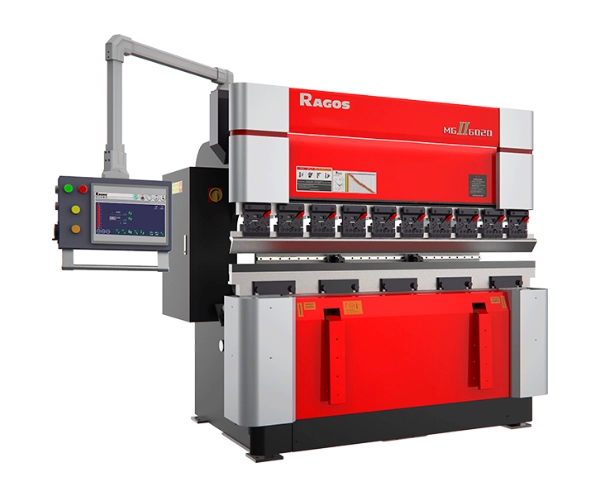
الفرامل CNC ذات 8 محاور مع وحدة تحكم Delem DA69T مقابض لوحات المصاعد, هياكل الكبائن, ومكونات هيكلية للعربات على آلة واحدة — خيار قوي لصانعي المصاعد الذين يعملون في إنتاج مختلط عبر أنواع مصاعد متعددة.
المواصفات الرئيسية لآلة ثني لوحة المصعد
عند تقييم أيآلة ثني لوحة المصعد, هذه هي المواصفات التي تحدد ما إذا كانت قادرة على التعامل مع نطاق لوحة المقصورة الخاصة بك.
أقصى طول للانحناء — تتطلب ألواح جدران مقصورة المصاعد القياسية طول انحناء لا يقل عن 2200 مم. قد تحتاج ألواح المصاعد البانورامية الأكبر أو جدران المصاعد التجارية إلى 2500 مم . تأكد من أوسع طول لحافة اللوحة مقابل أقصى طول انحناء للماكينة.
أقصى عرض للورقة وقطره — يتم تقييد ثني الألواح بأقصى قطر للألواح الوارد. يتعامل سلفانيني P4 مع قطر يصل إلى 3200 مم. تأكد من ذلك مقابل أكبر أبعاد فارغة في اللوحة قبل اختيار الجهاز.
نطاق سمك المادة — لألواح داخل المقصورة, 0.8–2.5 مم هو النموذج النموذجي. لألواح الأبواب, 1.2–2 مم. لمكونات إطار السيارة والعتبة, 3–6 ملم. حدد نطاق المواد الكامل الذي يثنيه ورشتك وتأكد من أن الجهاز يتعامل مع كل شيء.
نظام حماية السطح — غير قابل للتفاوض على أعمال المصاعد المصنوعة من الفولاذ المقاوم للصدأ. تأكد من أن الجهاز يحتوي على طاولات فرشاة أو أسطح عمل مطلية بالبلاستيك, فكوك المشبك غير العلامة, وأقراص رولا-V أو بولي يوريثان كخيارات قياسية أو متاحة بسهولة.
سرعة تغيير البرنامج — مصنعو المصاعد ينتجون عدة نسخ من المقصورة (سكني, تجاري, البضائع). الآلة التي تتطلب إعادة تجهيز يدوية بين النسخ تضيف ساعات من التوقف في كل وردية. أدوات ثني الألواح مع وضع الأدوات التلقائي وفرامل الضغط CNC مع البرامج المخزنة كلاهما يتعامل مع التبديل السريع — تأكيد وقت الدورة بين الأنواع تحديدا.
دقة الزاوية وقابلية التكرار — لتجهيز تجميع المصاعد, يتطلب الأمر ±0.3° أو أكثر خلال عمليات الإنتاج الكاملة. تأكد من أن الجهاز يحافظ على هذا التحمل بعد التثبيت الحراري, ليس فقط في الإعداد الأولي.
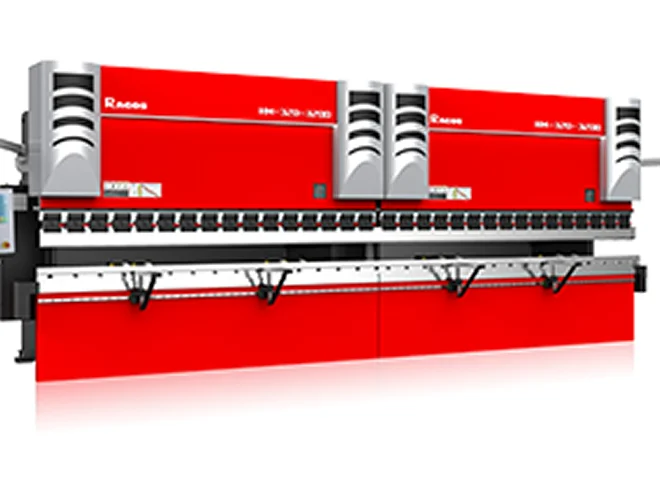
للأعمال التي تتطلب طول انحناء ممتد عبر ألواح هيكلية كبيرة للمصاعد, التكوين فرامل الضغط CNC بحجم 4000 مم يتعامل مع هياكل عربات المصعد العريضة والألواح الكبيرة في مرور واحد دون إعادة تموضع.
الفولاذ المقاوم للصدأ في إنتاج المصاعد: ما يحتاجه جهازك
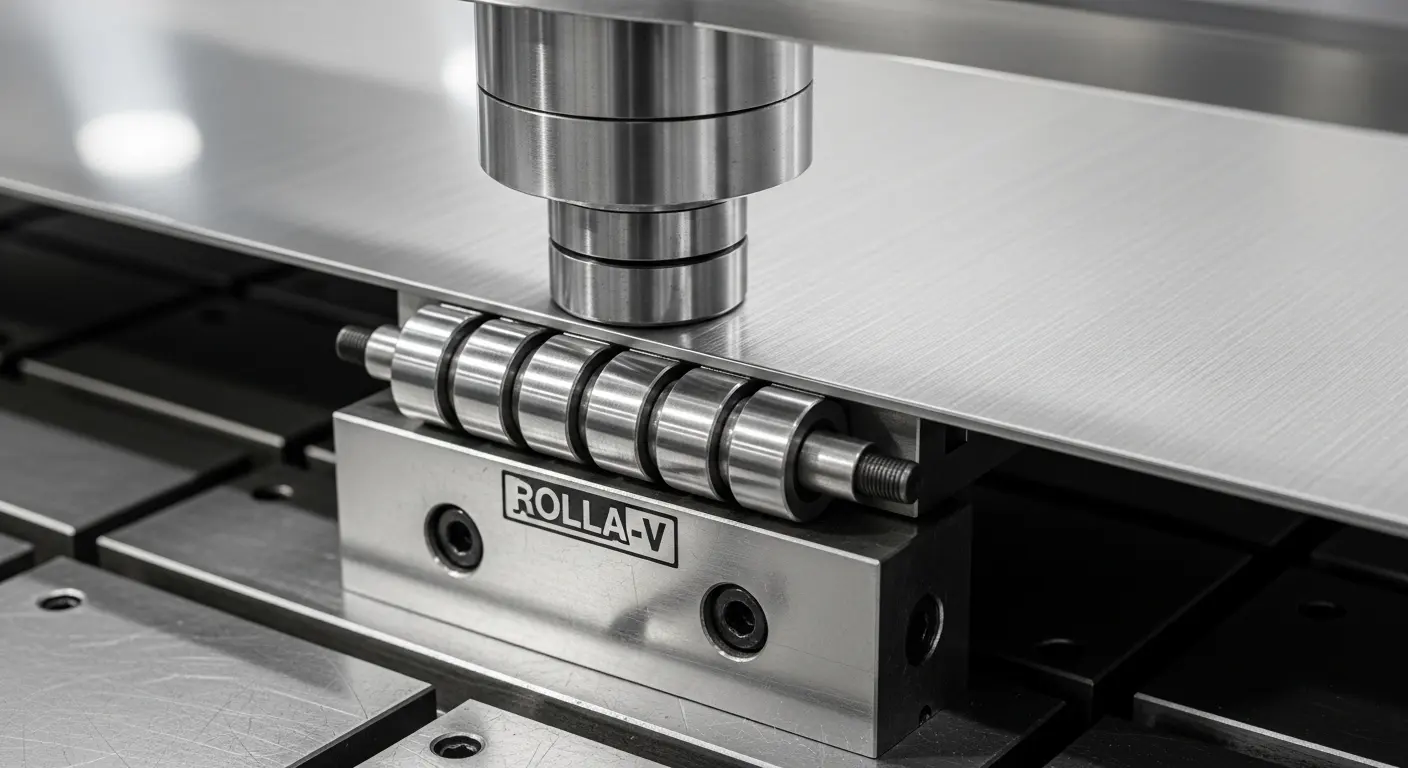
معظم مقصورات المصاعد الداخلية تستخدم الفولاذ المقاوم للصدأ — وليس أي مستوى بأي تشطيب.
الدرجات المستخدمة في إنتاج المصاعد:
- الصف 304 — ألواح جدران المقصورة القياسية, بواسطة اللوحات, ألواح السقف. الدرجة الأكثر شيوعا في تصنيع المصاعد. الرجع المعتدل (2–4°), يتطلب تصحيحا مبرمجا.
- الصف 316 — يستخدم في البيئات الساحلية والبيئات عالية الرطوبة. قوة أعلى قليلا من 304, سلوك انحناء مشابه.
- الصف 430 (فيريتيك) — خيار أقل تكلفة لمصاعد الشحن وداخل الكبائن الصناعية. أقل انبعاجا من 304, أكثر اقتصادية للتطبيقات غير الزخرفية.
التشطيبات السطحية التي تتطلب الحماية:
- المرآة (BA/2B) — يعكس كل شيء. حتى البصمة أثناء المعالجة تظهر. يتطلب تلامس كامل غير محدد للأدوات وطبقة حماية على جميع أسطح الطاولات.
- خط الشعر (رقم 4) — تشطيب مصقول اتجاهيا يظهر خدوش الحبيبات العرضية. يتطلب طاولات فرشاة وأكتاف قوالب مصطفة مع اتجاه حركة الورقة.
- ساتان/مشمش — أكثر تسامحا من المرايا لكنها لا تزال علامات تلوث جزيئات معدنية على أكتاف القوالب.
تتطلب عملية إنتاج ألواح المصاعد المصنوعة من الفولاذ المقاوم للصدأ النهائية طاولات ماكينات نظيفة, أنظمة المشابك غير المعلمة, وبروتوكول حماية سطحية مخصص — وليس فقط مواصفات الجهاز الصحيحة. للمتاجر التي تديرآلة طي معدني أوتوماتيكي لألواح الفولاذ المقاوم للصدأ, تأكيد مواصفات حماية السطح للآلة قبل الشراء يمنع إعادة العمل السطحية المكلفة بعد التسليم.
الأتمتة لإنتاج لوحات المصاعد
تصنيع ألواح المصاعد يعتمد على الحجم والتنوع — وهو مزيج يجعل الأتمتة تستحق التقييم بعناية.
التغذية CNC باستخدام كوب شفط — يرفع ويضع الفراغات تلقائيا على سرير الآلة باستخدام أكواب شفط مفرغة. عدم التعامل اليدوي يعني عدم وجود بصمات أصابع, تلف الحافة, أو علامات سطحية من ملامسة المشغل مع الفولاذ المقاوم للصدأ المصقول. تغذية كوب الشفط هي المعيار في أدوات التحكم عالية المواصفات ومتوفرة كخيار على خطوط الفرامل المضغوطة CNC.
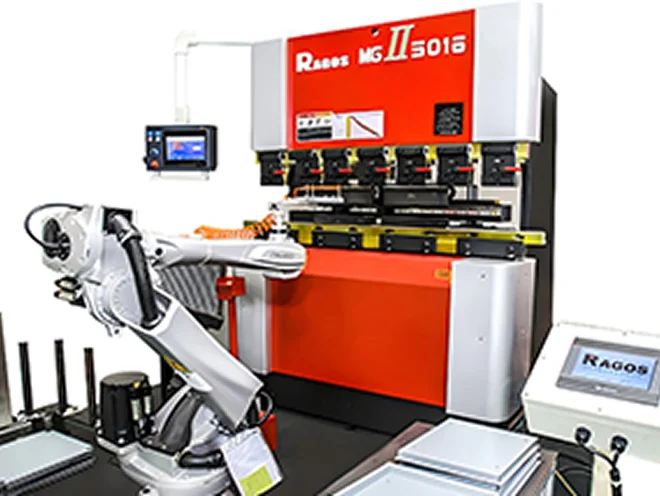
التحميل والتفريغ التلقائي — أنظمة التحميل الروبوتية المعتمدة على الذراع أو الناقل تحافظ على تشغيل الآلة باستمرار. بالنسبة لمصنعي المصاعد الذين ينتجون 30 كابينة شهريا, هنا تنخفض تكلفة العمالة بشكل كبير لكل لوحة.
إنتاج الدفعة الأولى والمجموعات — يمكن لصانعي التحكم في الألواح الحديثة إنتاج لوحة فريدة واحدة, ثم ينتقل تلقائيا إلى برنامج مختلف في اللوحة التالية دون تدخل المشغل. لمصنعي المصاعد الذين يبنون تصاميم كبائن مخصصة, تعني هذه القدرة على الدفعة الأولى أنه لا يوجد حد أدنى لحجم الطلب لتشغيل لوحات CNC.
إدارة المتغيرات متعددة المقصورات — عادة ما تشمل مجموعات منتجات المصاعد عدة بصمات مقصورة — 1000×1300 مم, 1100×1400 مم, شحن بطول 1350×2100 مم, وهكذا دواليك.. تتعامل الأجهزة التي تحتوي على مكتبات برامج مخزنة مع كل نسخة عن طريق تحميل برنامج محفوظ, ليس عن طريق تغيير الأدوات أو التركيبات.
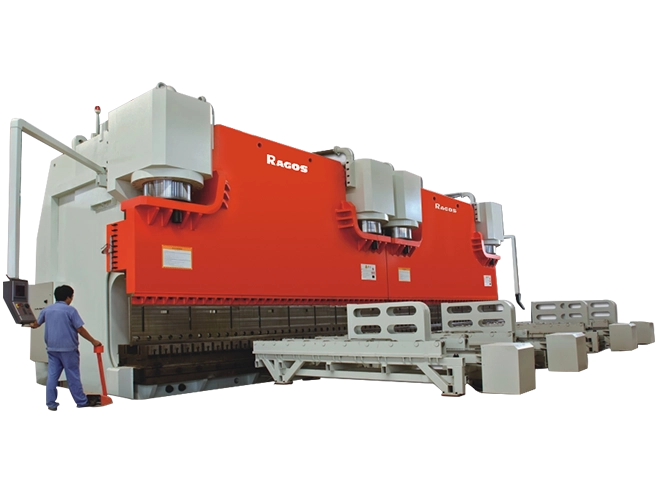
للمتاجر التي تنتج ألواح جدران مصعد طويلة عبر عدة أنواع من الكبائن, aفرامل الضغط المزدوجة لإنتاج الصفائح المعدنية الطويلة يخلق طول العمل الممتد اللازم لألواح المصاعد التجارية والكبيرة للشحن في إعداد واحد.
كيفية اختيار آلة ثني لوحة المصعد المناسبة
استخدم هذا الإطار المكون من خمس خطوات لتحديد مواصفات جهازك قبل التواصل مع أي مورد.
الخطوة 1: حدد نطاق لوحتك
اذكر أكبر وأصغر أبعاد لوحة المقصورة لديك. تأكيد الحد الأقصى لطول الانحناء المطلوب, أقصى قطر للورقة, وأقل نصف قطر انحناء داخلي لملفات تعريف الألواح الزخرفية لديك.
الخطوة 2: رسم خريطة لمتطلبات المواد والتشطيب السطحي
إذا قمت بثني المرآة أو الطلاء المقاوم للصدأ على خط الشعر, حماية السطح هي مواصفة إلزامية — وليست إضافة اختيارية. ضع هذا ضمن متطلباتك من البداية.
الخطوة 3: حدد حجم الإنتاج الخاص بك
أقل من 10 كبائن شهريا: تتعامل فرامل CNC مع الحجم بمرونة كاملة. 10–30 كوخا شهريا: قيم ما إذا كان وقت دورة اللوحة الأسرع يبرر التكلفة الرأسمالية الأعلى. أكثر من 30 كابينة شهريا: عادة ما يوفر جهاز تثنيي الألواح مع التغذية التلقائية وفورا واضحا في التكلفة لكل لوحة مقارنة بفرامل الضغط.
الخطوة 4: عد نسخ المقصورة الخاصة بك
المزيد من نسخ المقصورة يعني قيمة أعلى عند تغيير البرنامج السريع. تأكد من وقت التغيير بين المتغيرات لكل جهاز تقيمه — وليس فقط الوقت النظري, لكن الوقت الفعلي المقاس بما في ذلك أي إعادة تموضع أو تعديل التركيبة.
الخطوة 5: تأكيد تسامح التركيب في المراحل النهائية
احصل على تفاوتات التجميع من رسومات تصميم المصاعد الخاصة بك. اعمل إلى الوراء لتحديد أنواع الآلات التي يمكنها الحفاظ على تلك التفاوتات في الإنتاج — وليس فقط في المقال الأول.
الأسئلة الشائعة حول آلات ثني لوحات المصاعد
ما هي آلة ثني ألواح المصعد?
آلة ثني ألواح المصعد هي آلة CNC للضغط أو آلة ثني الألواح الأوتوماتيكية تستخدم لتشكيل مكونات صفائح معدنية لإنتاج المصاعد — بما في ذلك ألواح جدران المقصورة, بواسطة اللوحات, ألواح السقف, ألواح الحافة, وهياكل العربات الهيكلية. يجب أن تجمع هذه الآلات بين التحكم الدقيق في الزوايا وحماية السطح لتشطيبات الفولاذ المقاوم للصدأ.
هل مكابح الضغط باستخدام الألواح أو CNC أفضل لألواح المصعد?
للإنتاج الكبير لألواح المقصورة المسطحة الكبيرة بأحجام موحدة, يوفر متحكم الألواح CNC أوقات دورة أسرع وأقل معالجة يدوية. للمتاجر التي تنتج أحجام كبائن متنوعة, تصاميم مخصصة, ومكونات هيكلية أكثر سمكا بجانب الألواح الداخلية, توفر فرامل الضغط CNC عالية المحور مرونة أكبر بتكلفة رأس مال أقل. يستخدم العديد من صانعي المصاعد كلا النوعين.
ما هي حماية السطح التي أحتاجها لألواح المصاعد المصنوعة من الفولاذ المقاوم للصدأ?
المرآة, خط الشعر, وتتطلب لوحات المصاعد المصنوعة من الفولاذ المقاوم للصدأ مصقولة فكوكا مشبكة غير مميزة, طاولات الآلات المغطاة بالفرشاة أو البلاستيك, قوالب رول-V الدوارة أو قوالب البولي يوريثان, وبيئة آلية نظيفة خالية من تلوث جزيئات المعادن. عادة ما يكون تلف السطح على ألواح المصاعد المصنوعة من الفولاذ المقاوم للصدأ غير قابل للعلاج دون إعادة تشطيب.
ما هو طول الانحناء الذي أحتاجه لإنتاج لوحة المصعد?
تحتاج ألواح جدران مصاعد المصاعد السكنية القياسية إلى طول انحناء لا يقل عن 2200 مم. قد تتطلب لوحات الرفع التجارية والبانورامية 2500 مم . يمكن أن تتجاوز جدران مصاعد الشحن والألواح الهيكلية الكبيرة 3000 مم. تأكد من أوسع بعد شفة اللوحة قبل اختيار الجهاز.
كم عدد المنعطفات التي تتطلبها كابينة المصعد?
عادة ما يتضمن تركيب مقصورة المصعد الكامل 50–150 انحناءة منفصلة عبر جميع المكونات — جدران المقصورة, بواسطة اللوحات, السقف, ألواح الحافة, وملفات تعريف الزخرفة. بسعر 10–50 كابينة شهريا, وهذا يمثل 500–7,500 انحناء شهريا كحد أدنى — مما يجعل سرعة الآلة, وقت الإعداد, وعوامل مهمة في زمن الدورة في قدرتك الإنتاجية.