

سمك قطع الليزر الليفي: ما مدى سمك قطع الليزر الليفي?
من المهم فهم سمك قطع الليزر الألياف أثناء اختيار مصدر الليزر في تصنيع المعادن. تعتمد القدرة على القطع بشكل رئيسي على قوة الليزر, نوع المادة ومعايير العملية. يتم إنتاج أنظمة رقيقة جدا باستخدام أنظمة عالية الطاقة, على الرغم من أن الحد الأقصى الممكن للسمك في الواقع يختلف كثيرا مقارنة بالحد الأقصى النظري.
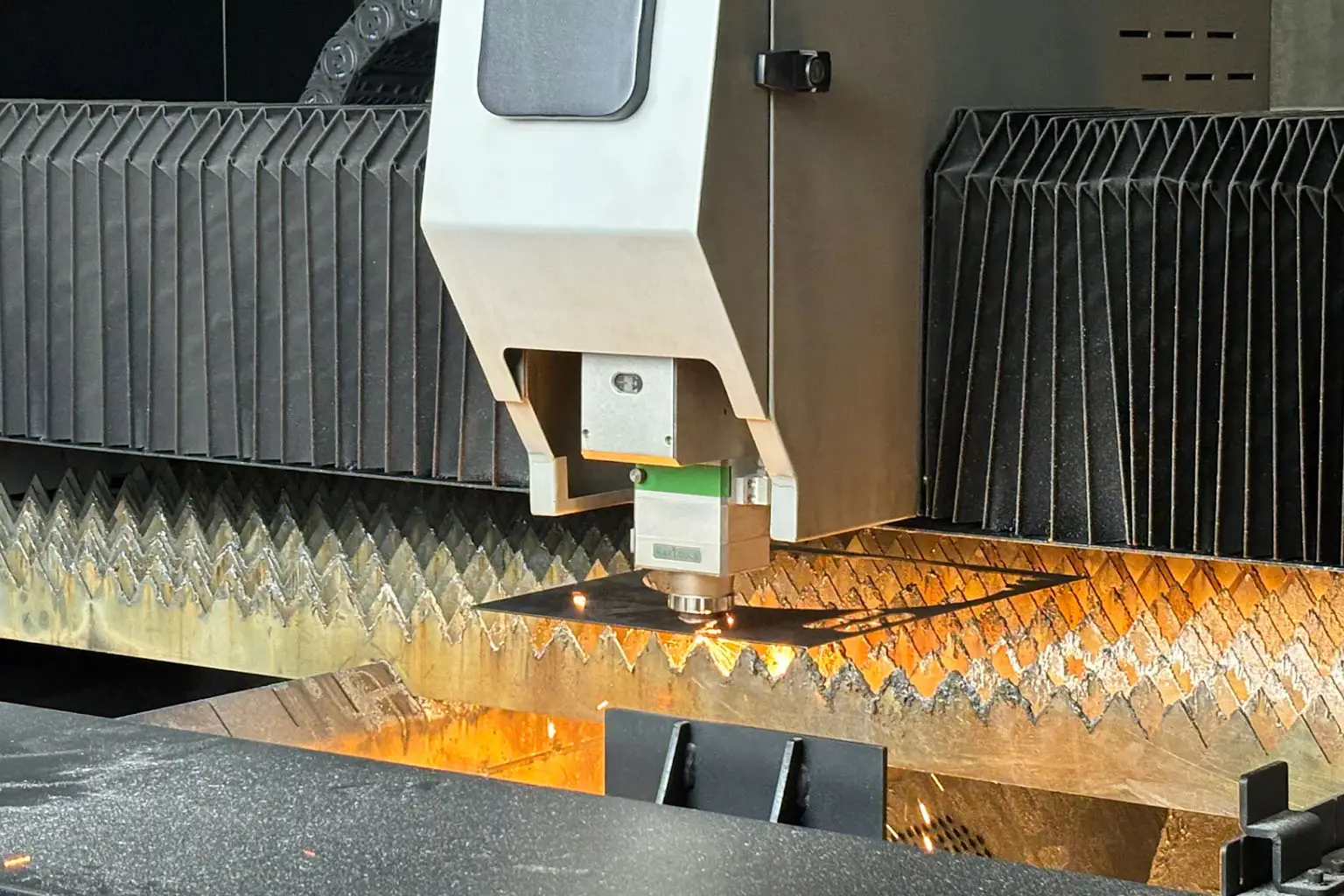
وفقا لمواصفات jsragos المنشورة, يمكن للليزرات الحديثة من الألياف قطع الفولاذ الكربوني حتى 100 مم عند 40 كيلوواط, بينما تتعامل الأنظمة ذات القدرة المنخفضة مع النطاقات الأرق بشكل متناسب .
هذا الدليل يفصل نطاقات السماكة حسب مستوى القوة ويشرح ما الذي يؤثر فعليا على الأداء في التطبيقات الواقعية.
كيف تؤثر طاقة الليزر على سمك القطع
طاقة الليزر (يقاس بالواط أو الكيلوواط) يؤثر بشكل مباشر على كمية المادة التي يمكن للشعاع أن يذوبها ويخرجها على طول خط القطع.
تظهر بيانات JSRAGOS المنشورة القدرات القصوى التالية على السماكة عبر مستويات الطاقة :
ليزر ألياف 500 واط
-
الكربون الصلب: حتى 6 مم
-
ستانلس ستيل: حتى 3 مم
-
ألمنيوم: حتى 2 مم
-
النحاس: حتى 2 مم
ليزر ألياف 2000 واط
-
الكربون الصلب: حتى 20 مم
-
ستانلس ستيل: حتى 8 مم
-
ألمنيوم: حتى 6 مم
-
النحاس: حتى 4 مم
ليزر ألياف 6000 واط
-
الكربون الصلب: حتى 25 مم
-
ستانلس ستيل: حتى 20 مم
-
ألمنيوم: حتى 15 مم
-
النحاس: حتى 8 مم
ليزر ألياف 12000 واط
-
الكربون الصلب: حتى 40 مم
-
ستانلس ستيل: حتى 30 مم
-
ألمنيوم: حتى 30 مم
ليزر ألياف 40000W
-
الكربون الصلب: حتى 100 مم
-
ستانلس ستيل: حتى 80 مم
-
ألمنيوم: حتى 70 مم
-
النحاس: حتى 40 مم
تمثل هذه الأرقام أقصى سمك ممكن تحت ظروف مثلى.
الإنتاج الحقيقي مقابل أقصى سمك
على الرغم من أن المواصفات المنشورة قد تشير إلى حدود معينة, غالبا ما يختلف الأداء العملي في أرضية الورشة.
على سبيل المثال, أبلغ مستخدم على Reddit وهو يعمل بليزر ألياف بقوة 2000 واط عن قطع موثوق فولاذ طيب 18 مم و6 مم من الفولاذ المقاوم للصدأ في الإنتاج .
لاحظ مستخدم آخر صعوبة في تحقيق قطع نظيف على الفولاذ المقاوم للصدأ السميك باستخدام آلة بقوة 3 كيلوواط, خصوصا بسماكة 10 مم .
تسلط هذه الأمثلة الضوء على نقطة مهمة:
أقصى سمك ≠ سمك الإنتاج الأمثل.
في معظم بيئات التصنيع, يعمل المشغلون تحت الحد الأقصى للحفاظ على جودة القطع, سرعة, واتساق الحواف.
نوع المادة مهم
تستجيب المواد المختلفة بشكل مختلف بسبب الانعكاسية, التوصيل الحراري, وخصائص الانصهار.
كاربون ستيل
غالبا ما يحقق أعلى سمك قطع بسبب الامتصاص المناسب والتوافق مع غاز مساعد الأكسجين .
الفولاذ المقاوم للصدأ
عادة ما تقطع بالنيتروجين لحواف نظيفة, لكنها تتطلب طاقة أكبر من الفولاذ الكربوني عند نفس السمك .
ألمنيوم
عاكس وموصل حراريا, ومع ذلك، فإن ليزرات الألياف تؤدي أداء جيدا بسبب طولها الموجي (حوالي سنة واحدة.06 ميكرون), مما يحسن امتصاص المعادن .
النحاس & نحاس
انعكاسي للغاية; عادة ما تكون سعة السماكة أقل من الفولاذ عند نفس الواط .
العوامل الرئيسية التي تؤثر على أقصى سمك للقطع
ما وراء مستوى القوة, تؤثر عدة عوامل تقنية على مدى سمك قطع الليزر الليفي:
1. جودة العارضة (BPP)
جودة الشعاع الأفضل تسمح بتركيز أكثر إحكاما, زيادة كثافة الطاقة والاختراق .
2. مركز التركيز & جودة العدسة
وضع التركيز الصحيح أمر حاسم لقطع المواد السميكة. التركيز غير الصحيح يمكن أن يؤثر على جودة الحافة السفلية .
3. اختيار غازات المساعدة
-
الأكسجين يحسن سرعة القطع في الفولاذ الكربوني
-
النيتروجين ينتج حواف نظيفة من الستانلس ستيل
-
نقاء الغاز يؤثر على قوام القطع
4. سرعة القطع
السرعات الأبطأ تسمح باختراق أعمق لكنها قد تؤثر على الإنتاجية .
5. قطر الفوهة
يمكن للفوهات الصغيرة تحسين تركيز الطاقة للصفائح الرقيقة; تساعد الفوهات الأكبر في القطع السميكة .
تقدير سمك القطع حسب القوة
يوضح JSRAGOS علاقة مفاهيمية مبسطة:
T = k × Pⁿ
حيث:
-
T = أقصى سمك
-
P = قوة الليزر
-
k و n = ثوابت خاصة بالمادة
يظهر هذا النموذج أن السمك يزداد مع ارتفاع الطاقة—لكن ليس بطريقة خطية تماما.
ليزر الألياف مقابل أنواع الليزر الأخرى
يقارن jsragos أيضا ليزرات الألياف بليزر CO₂ وNd.:
-
عادة ما تتفوق أشعة الليزر الليفية على ثاني أكسيد الكربون عند قطع المعادن العاكسة مثل الألمنيوم
-
عادة ما تحقق ليزرات الألياف سماكة ستانلس أعظم من أنظمة Nd عند نفس القدرة
لأن ليزرات الألياف تعمل حول 1.06 µm طول موجي, المعادن تمتص الطاقة بكفاءة, تحسين عمق الاختراق .
توصيات عملية للصانعين
إذا كنت تختار ليزر ألياف لتصنيع المعادن:
-
500W–1000W → صفائح معدنية رقيقة (≤الفولاذ الطري عيار 6 مم)
-
2000W–3000W → تصنيع الوسائط (≤فولاذ كربوني بقطر 20 مم في ظروف مثالية)
-
6000W → الأعمال الصناعية الثقيلة (≥فولاذ 25 مم)
-
12000W → الصفائح السميكة والتطبيقات الهيكلية
للإنتاج الصناعي المتسق, فكر في العمل عند 70–80٪ من الحد الأقصى للسمك المصنف للحفاظ على جودة الحواف وثبات سرعة القطع.
الخلاصة النهائية
يعتمد سمك قطع الليزر الألياف على:
-
طاقة الليزر
-
نوع المادة
-
جودة العارضة
-
دقة التركيز
-
مساعدة اختيار الغاز
-
سرعة القطع
بينما يمكن للأنظمة فائقة القدرة أن تصل إلى 100 مم من الفولاذ الكربوني في ظروف مثالية , يجب أن يركز الأداء العملي على التصنيع في المقام الأول للاستقرار, سرعة, وجودة الحواف بدلا من دفع الحدود المطلقة.