

محول الأدوات الأوتوماتيكي ضغط فرامل: هل هو مناسب لمتجرك?
محول الأدوات الأوتوماتيكي يقلل من وقت إعداد الأدوات من 20-30 دقيقة إلى أقل من 3 دقائق, تلقائيا, بين كل وظيفة, دون أن يلمس المشغل أي ضربة أو نرد واحد. تخزن الآلة جميع الأدوات المطلوبة في مخزن مدمج على متن السفينة وتستدعي كل واحدة أثناء تشغيل برنامج CNC. يستخدم هذا الدليل مصفوفة قرارات ATC بسيطة مكونة من ثلاثة أسئلة لمساعدتك في تحديد ما إذا كان ATC يتناسب مع نموذج الإنتاج الخاص بك, أي نوع من الأنظمة يناسب احتياجاتك, وما هي فترة الاسترداد التي يجب توقعها قبل الاستثمار.
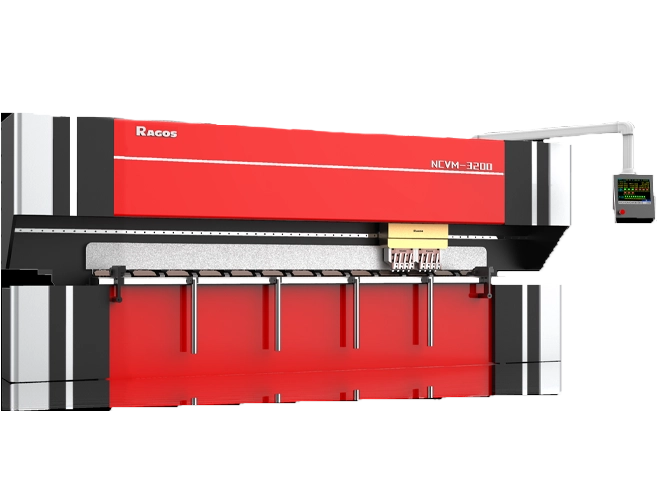
للحصول على نظرة أوسع على خيارات أتمتة فرامل الضغط, الدليل أتمتة فرامل الضغط تغطي كامل مجموعة تكوينات خلايا التحكم CNC.
ما يفعله مغير الأدوات الأوتوماتيكي عند فرامل الضغط
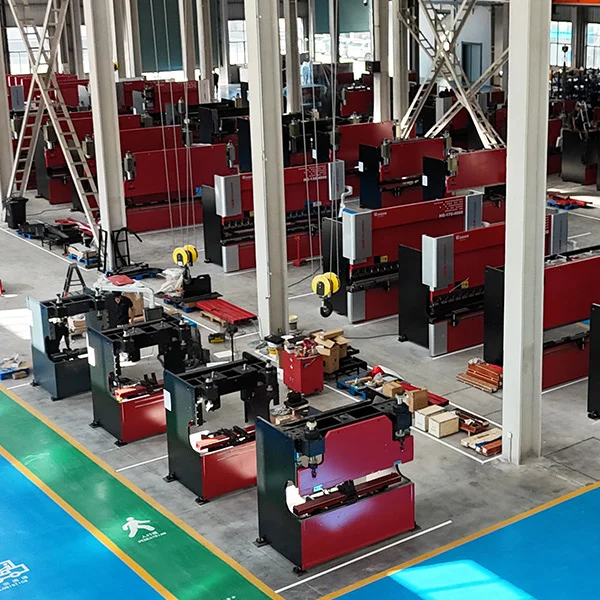
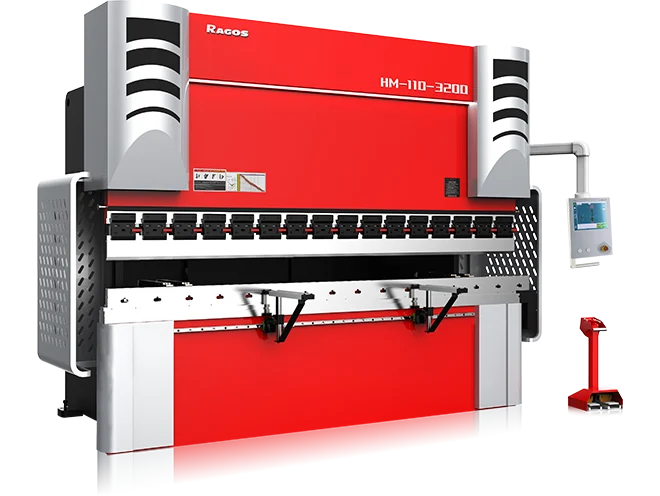
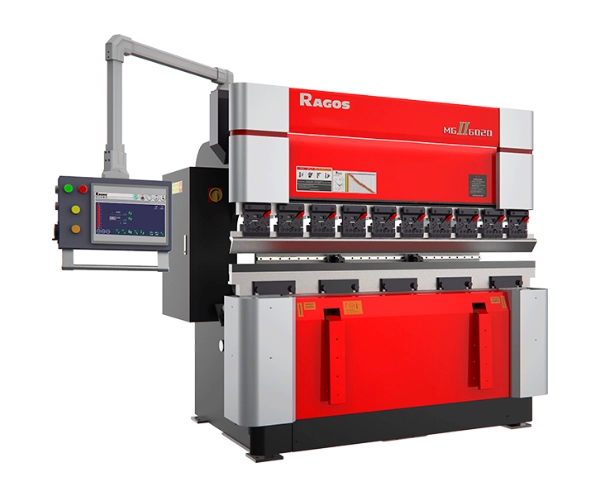
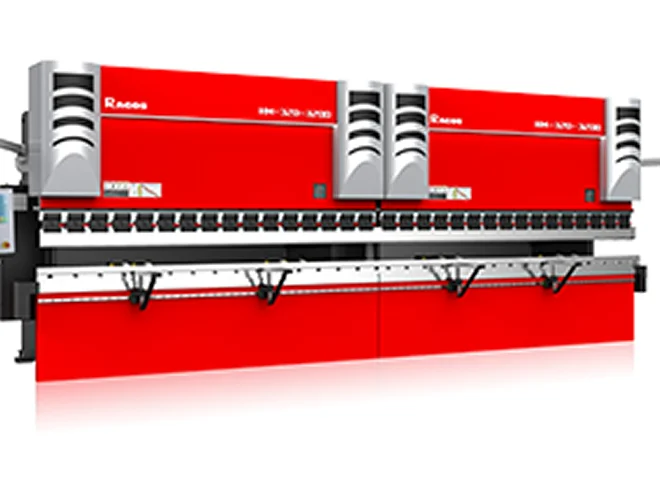
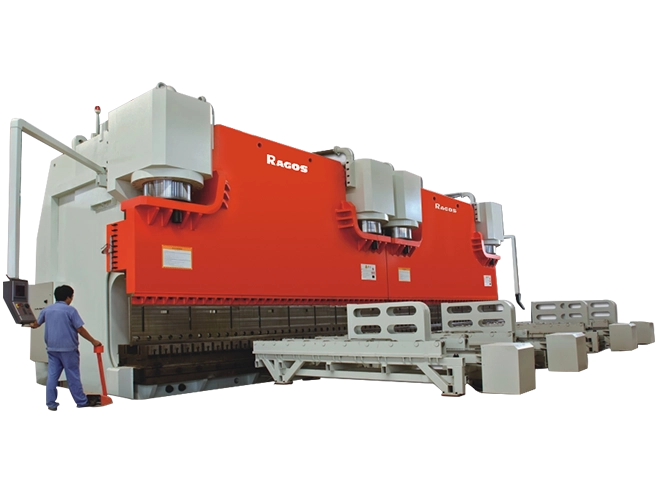
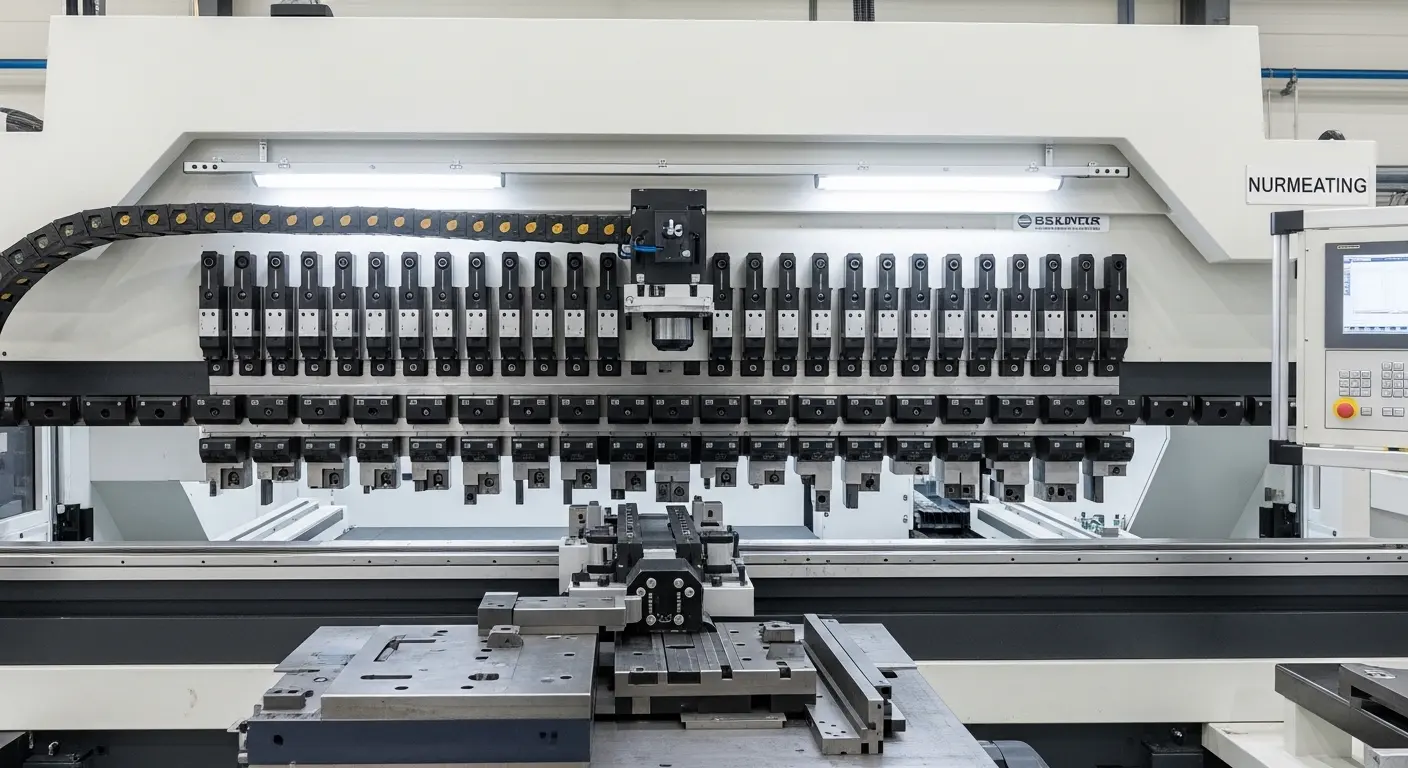
محول الأدوات الأوتوماتيكي يحمل فرامل الضغط الثقيلة, هذا, وألواح وسيطة في مخزن مركب على أو بجانب الجهاز. التحكم في CNC يستدعي كل أداة تلقائيا أثناء تشغيل البرنامج — لا تبديل يدوي بين الانحناءات أو بين المهام.
لا تزال فرامل CNC القياسية تتطلب من المشغل إزالة وتركيب كل أداة عند تبديل الإعدادات. جهاز مراقبة الحركة الجوية يلغي ذلك تماما. يقوم المشغل بتحميل المخزن الكامل في بداية الوردية. تتولى الآلة كل تغيير من تلك النقطة فصاعدا.
عادة ما تتراوح سعة المخزن بين 10 إلى 50 محطة أدوات حسب نوع مراقبة الحركة الجوية. يغطي معظم بيئات الإنتاج عالية المزيج دون الحاجة لإعادة التحميل أثناء الوردية.
الأنواع الثلاثة من أجهزة تغيير الأدوات الأوتوماتيكية
ليست كل أنظمة مراقبة الحركة الجوية تعمل بنفس الطريقة. توجد ثلاثة أنواع مميزة, وكل واحد منها يخدم ملف إنتاج مختلف. اختيار النوع الخطأ مكلف مثل تخطي ATC تماما.
مراقبة الحركة الجوية للمجلة المتكاملة
تجلس المخزن المدمج بجانب عارضة الآلة وتخزن الأدوات داخل غلاف العمل الخاص بالآلة. هذا النوع يقدم أسرع تبادل — عادة أقل من دقيقتين. وهو التكوين الأكثر شيوعا من الشركات الأوروبية بما في ذلك LVD (تولسيل) وبيسترونيك (سلسلة إكسبيرت). الأنسب لورش العمل التي تعمل بتنوع متوسط مع متطلبات مكتبة أدوات متوسطة.
مراقبة الحركة الخطية والروبوتية الجانبية
تستخدم أنظمة التثبيت الجانبي سكة مخزن خارجية بجانب المكبس. تحتوي على مكتبات أدوات أكبر — من 20 إلى 50 محطة — ومتاجر بدلات تحتوي على تنوع كبير جدا في القطع ومخزون أدوات واسع. وقت التبديل أطول قليلا حيث تتراوح بين دقيقتين إلى أربع دقائق، لكن ميزة السعة تجعل الأمر يستحق التضحية مقابل الورشة المناسبة.
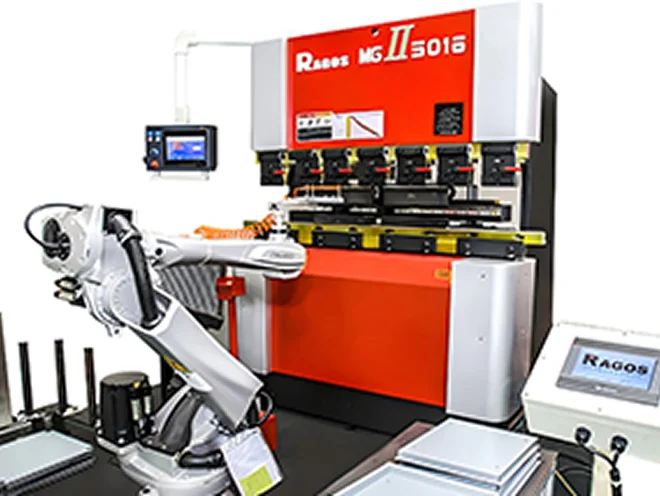
أنظمة تغيير الأدوات الروبوتية تدمج ذراعا روبوتية في خلية ثني كاملة. وقت التبادل ينخفض إلى أقل من دقيقة واحدة. تستخدم هذه الأنظمة في بيئات الإنتاج التي تقطع الأضواء والمؤتمتة بالكامل — وهي أعلى مستوى من حيث القدرة وأعلى تكلفة.
جدول مقارنة أنواع ATC
| نوع ATC | وقت التبادل | سعة المخزن | الأفضل ل | التكلفة النسبية |
|---|---|---|---|---|
| مجلة متكاملة | < دقيقتان | 10–20 محطة | ورش الوظائف, النوع متوسط الحجم | متوسط-عالي |
| التثبيت الجانبي الخطي | 2–4 دقائق | 20–50 محطة | تنوع عالي, مكتبات الأدوات الكبيرة | عال |
| تغيير الأدوات الروبوتية | < دقيقة واحدة | 30–60 محطة | خلايا الانحناء الآلي, إطفاء الأنوار | مرتفع جدا |
كم من الوقت يوفر فعليا من وقت الإعداد الذي توفره مراقبة الحركة الجوية?
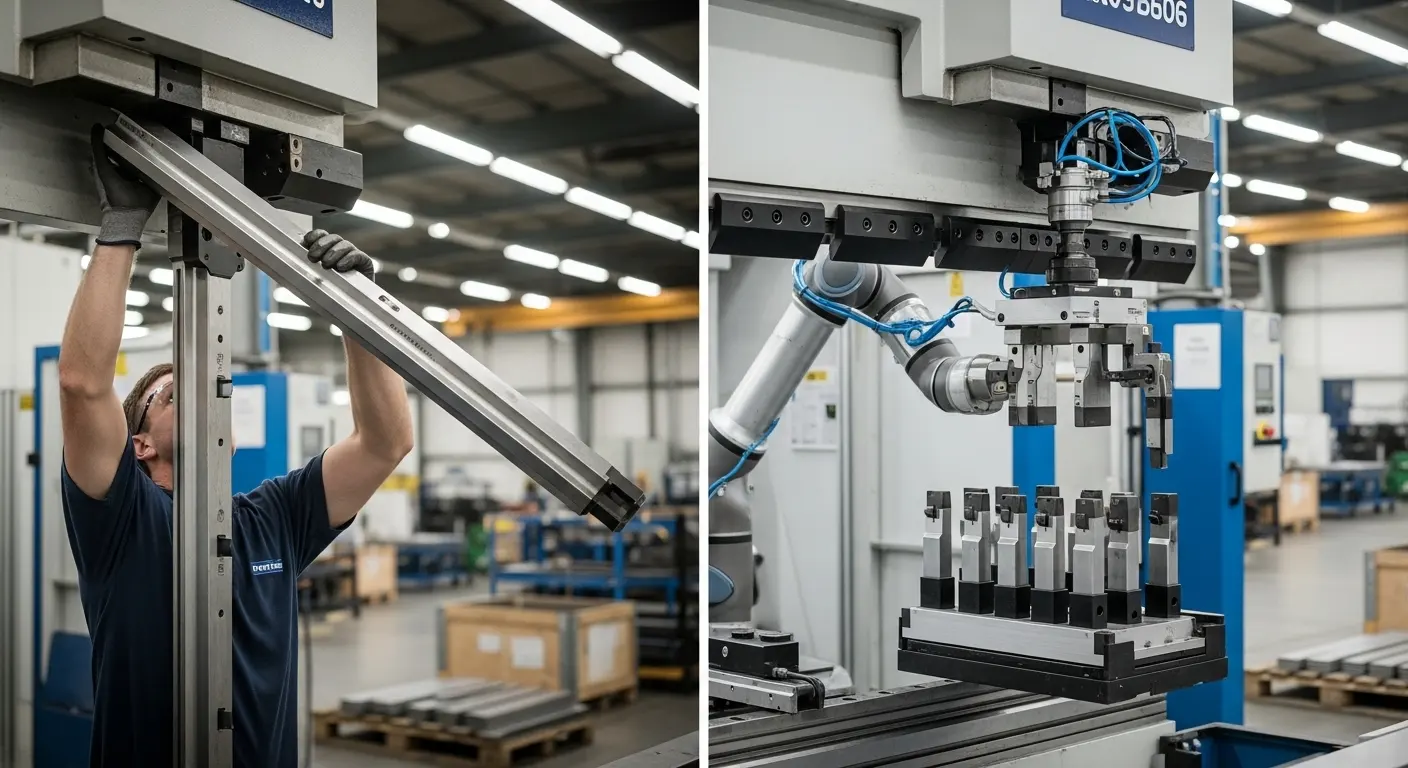
يوفر فرامل الضغط ATC من 15 إلى 27 دقيقة لكل تغيير أداة مقارنة بالإعداد اليدوي. وهذا رقم ليس صغيرا عند تجميعه على مدار يوم إنتاج كامل.
المتجر الذي يعمل 8 إعدادات يوميا يوفر بين 120 و216 دقيقة يوميا. أكثر من سنة عمل, هذا هو 900 إلى 1,000 ساعات من القدرة المسترجعة — كافية لعدة مئات من عمليات الإنتاج الإضافية.
التكلفة الخفية لتغيير الأدوات اليدوية
الإعداد اليدوي لا يكلف فقط الوقت في الجهاز. كما أنه يدخل أخطاء إعداد. يمكن أن يؤدي تركيب الثقب أو القالب بشكل غير صحيح إلى تلف الأدوات, ينتج قطع الخردة, وتتطلب إعادة كاملة. استنادا إلى تقييمنا لبيانات دورة الأدوات عبر بيئات تصنيع عالية المزيج, خطأ التثبيت اليدوي هو مصدر ثابت لخردة الجزء الأول نادرا ما يظهر في تقارير التوقف الرسمية.
إرهاق المشغل عامل حقيقي آخر. تغيير الأدوات الثقيلة من 8 إلى 10 مرات في كل وردية يؤثر على الدقة ويزيد من خطر الخطأ في الساعات الأخيرة من يوم الإنتاج. ATC يزيل هذا المتغير تماما.
من يحتاج فعلا إلى محول أدوات أوتوماتيكي للفرامل
توفر ATC عائد استثمار قوي لملفات الإنتاج المحددة — وعائد استثمار ضعيف لأخرى. قبل تحديد جهاز مراقبة الحركة الجوية, أجب على هذه الأسئلة الثلاثة:
- هل تغير الأدوات أكثر من 5 مرات في كل وردية؟?
- هل تدير أكثر من 8 عائلات أجزاء مختلفة في الأسبوع?
- هل متوسط حجم الدفعة أقل من 100 جزء في كل جولة؟?
إذا أجبت بنعم على اثنين أو ثلاثة من هذه الأسئلة, لدى ATC قاعدة مالية قوية لمتجرك. إذا قمت بتشغيل دفعات إنتاج طويلة من نفس الجزء — 200 قطعة لكل إعداد — فإن الإعداد اليدوي يغير الاستهلاك عبر أجزاء أكثر وتنخفض تكلفة الوقت لكل قطعة بشكل كبير. في هذه الحالة, ATC استثمار ذو أولوية أقل.
المتاجر التي تدير أكثر من 5 عائلات مختلفة من قطع الغيار يوميا تحقق باستمرار أعلى عائد على استثمارات ATC في قطاع التصنيع.
ATC مقابل. ثني اللوحة — عندما يكون كل منهم أكثر منطقية
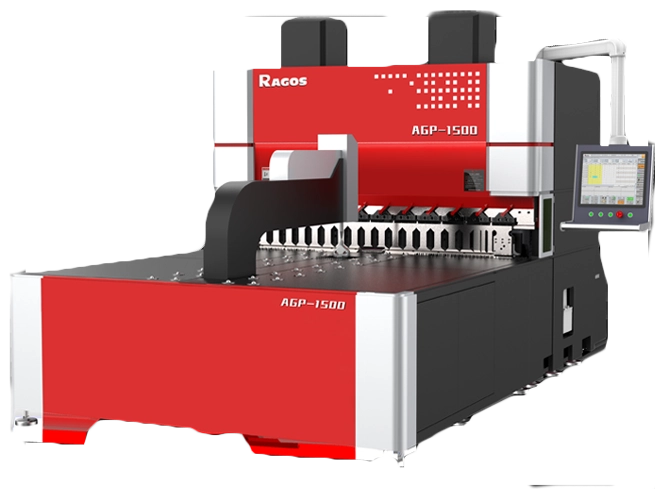
تتفوق فرامل الضغط ATC في التنوع — حيث توجد هندسات أجزاء مختلفة, تسلسلات الانحناء, ومتطلبات الأدوات التي تدار من جهاز واحد. يقوم جهاز التحكم بالألواح بأتمتة إنتاج الأجزاء بالكامل على هندسات متسقة عند أحجام أعلى. للمتاجر التي تنتج نفس عائلات الألواح بكميات كبيرة, التثنيي الألواح مع تغذية كوب الشفط يقدم حلا عالي الإنتاجية. للمتاجر التي لديها خلطات وظائف غير منتظمة, انتصارات ATC.
إطار العائد على الاستثمار في ATC

حساب استرداد العائد على ترقية ATC يستغرق خمس دقائق ويستخدم البيانات التي لديك بالفعل. اتبع هذه الخطوات:
- عد إعداداتك اليومية — متوسط خلال آخر 30 يوم عمل
- اضرب في 20 دقيقة — معيار زمن الإعداد اليدوي القياسي
- حساب الوقت الموفر يوميا — الإعدادات اليومية × 20 دقيقة
- طبق أجر الآلة حسب الساعة — الوقت اليومي الموفر ÷ 60 × سعر الساعة = توفير الدولار اليومي
- قسم علاوة سعر ATC على المدخرات اليومية — هذا يمنح فترة استرداد الفائدة بأيام العمل
مثال: 8 إعدادات/يوم × 20 دقيقة = 160 دقيقة موفرة. بسعر 120 دولار في الساعة, وهذا يعادل 320 دولارا في اليوم. 50 دولار,000 علاوة سعر ATC ÷ 320 دولار/يوم = 156 يوم عمل — تقريبا من 7 إلى 8 أشهر.
هذا الحساب لا يأخذ في الاعتبار تقليل الخردة في الأجزاء الأولى, وقت المشغل المتاح لمهام أخرى, أو القدرة على تشغيل الإنتاج في نوبات غير مأهولة. من خلال تجربتنا في العمل مع العملاء الذين قاموا بالترقية من الآلات القياسية إلى الآلات المزودة بنظام مراقبة الحركة الجوية, تراوحت فترة الاسترداد الحقيقية بين 12 إلى 24 شهرا — أسرع للمتاجر التي تعمل بأكثر من 6 إعدادات في كل وردية.
للحصول على نظرة أوسع لخيارات الاستثمار في المعدات لديك, تصفح التكوينات فرامل الضغط الأوتوماتيكية متوفر من JS RAGOS.
أنظمة التحكم CNC وتوافق التحكم في التحكم ب ATC
نظام التحكم في الحركة الجوية لا يكون قادرا إلا على أن يكون نظام التحكم الذي يديره. يجب أن يدعم متحكم CNC إدارة مخزن الأدوات, استدعاء الأدوات التلقائي داخل برامج الأجزاء, واكتشاف التصادم أثناء تبادل الأدوات.
ديلم DA66S — دعم كامل لمراقبة الحركة الجوية مع إدارة مكتبة الأدوات الرسومية; التخطيط التلقائي للتسلسل المدمج في واجهة البرمجة; التحكم المفضل في بيئات التحكم العشوائي عالية المزيج المعقدة.
وكالة الفضاء الأوروبية S840/S850 — متوافق مع تكامل ATC مع EtherCAT لأنظمة المخزن المدفوعة بالسيرفو; يستخدم في خلايا الانحناء الآلية ذات تنسيق العداد الخلفي متعدد المحاور.
الضوابط الخاصة (أمادا AMNC 3i, ترامبف تروكونترول) — التكامل الأصلي مع نظام ATC مع البرمجة غير المتصلة وتوليد تسلسل الأدوات التلقائي; أنظمة بيئية مغلقة تتطلب أدوات خاصة بالعلامة التجارية.
نظام CNC القادر ليس خيارايا عند تحديد مراقبة الحركة الجوية. المجلة التي لا يمكن تسميتها بشكل موثوق في منتصف البرنامج تشكل نفس مخاطر تغيير الأدوات يدويا — حيث تتوقف الآلة وتنتظر. للحصول على تفصيل كامل لخيارات أنظمة التحكم عبر تكوينات CNC, الأفضل دليل لآلة فرامل الضغط CNC يغطي كل نظام بالتفصيل.
الأسئلة المتداولة
س1: ما هو محول الأدوات الأوتوماتيكي بفرامل الضغط?
فرامل الضغط الأوتوماتيكية لتغيير الأدوات هي فرامل ضغط CNC مزودة بمخزن مدمج يخزن الثقوب, هذا, والصفائح الوسيطة. تقوم الآلة بتبديل الأدوات تلقائيا بين الانحناءات أو بين المهام بناء على برنامج القطع — دون الحاجة إلى التعامل مع أدوات المشغل. عادة ما يستغرق تبادل الأدوات أقل من 3 دقائق. وهذا يجعل فرامل الضغط ATC مناسبة جدا للخلط العالي, بيئات إنتاج الصفائح المعدنية منخفضة الحجم حيث يكون وقت الإعداد اليدوي هو عنق الزجاجة الرئيسي في الإنتاج.
س2: كم من الوقت يوفر جهاز تغيير الأدوات الأوتوماتيكي على الفرامل من الإعداد?
يقلل التحكم في الحركة الجوية وقت تغيير الأدوات من متوسط يدوي من 15–30 دقيقة إلى أقل من 3 دقائق لكل تبادل. لورشة تعمل على 8 إعدادات يوميا, وهذا يترجم إلى 900–1,000 ساعات السعة المسترجعة سنويا. توفير الوقت ثابت بغض النظر عن تعقيد الأجزاء, حيث أن نظام CNC يتعامل تلقائيا مع تسلسل الأدوات.
س3: هل فرامل الضغط الأوتوماتيكية تستحق التكلفة الإضافية?
للمتاجر التي تعمل بخمسة إعدادات أو أكثر يوميا مع تنوع كبير في القطع, عادة ما يقدم ATC فترة استرداد تتراوح بين 12 إلى 24 شهرا. تعتمد الحسابات على عدد التجهيزات اليومي, أجر الآلة بالساعة, وعلاوة أسعار ATC. المتاجر التي تستخدم دفعات طويلة من نفس الجزء تلاحظ عائد استثمار أقل لأن وقت الإعداد اليدوي يتناسب مع عدد أكبر من القطع. التكوينات فرامل الضغط الأوتوماتيكية تغطي الصفحة الخيارات الحالية مع تفاصيل المواصفات.
س4: أي علامات تجارية للفرامل الضغطية تقدم متغيرات أدوات أوتوماتيكية?
تشمل العلامات التجارية الرئيسية لمكابح الضغط في مراقبة الحركة الجوية LVD (سلسلة تولسيل), بيسترونيك (سلسلة إكسبيرت), أمادا (سلسلة HRB), ترامب (سلسلة تروبند 5000), وسلفانيني (B3). كل منها يستخدم نظام مخزن خاص بسعات مختلفة, سرعات التبادل, ومتطلبات نظام التحكم. يتم إدراج تكوينات JS RAGOS المتوافقة مع ATC فيأفضل دليل لآلة فرامل الضغط CNC.
س5: هل يمكن تركيب محول أدوات أوتوماتيكي في فرامل الضغط الحالية?
تركيب فرامل ضغط قياسية قائمة بنظام مراقبة الحركة الكاملة غير عملي عموما. يتطلب ATC قنوات شعاع متكاملة, آليات المخزن المدفوع بالسيرفو, ونظام تحكم CNC متوافق — ميزات يجب هندستها في الجهاز في المصنع. لكن, تقدم بعض الشركات المصنعة أنظمة أدوات تغيير سريع من طرف ثالث تقلل من وقت الإعداد اليدوي بدون مراقبة الحركة الجوية الكاملة. للحصول على إرشادات التكوين, الخيارات مصنع مكابح الضغط CNC تغطي الصفحة مواصفات البناء المتاحة.
اتخذ القرار الصحيح بشأن الأتمتة
ثلاث نقاط تستخلصها توجه هذا القرار. أولا, يقلل ATC وقت تغيير الأدوات من 20-30 دقيقة إلى أقل من 3 دقائق — وهو مكسب قابل للقياس يتراكم مع كل وردية. ثانيا, العائد على الاستثمار أقوى للمتاجر التي تعمل بخمس إعدادات يوميا مع عائلات أجزاء متنوعة — وأضعف للشركات ذات الحجم العالي, عمليات الأنواع المنخفضة. الثالث, يعمل نظام التحكم بأقصى إمكاناته فقط مع نظام تحكم CNC يدعم إدارة المخزن وتسلسل الأدوات التلقائي.
إذا كان متجرك يناسب الملف الشخصي, الخطوة التالية واضحة. راجع النطاق فرامل الضغط الأوتوماتيكي أو تواصل مع فريق JS RAGOS للحصول على تقييم ملاءمة مراقبة الحركة الجوية (ATC) مطابق لبيانات الإنتاج الخاصة بك.