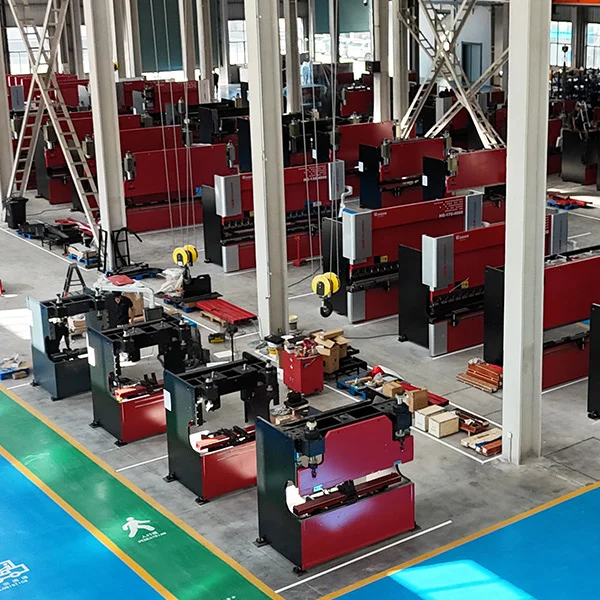
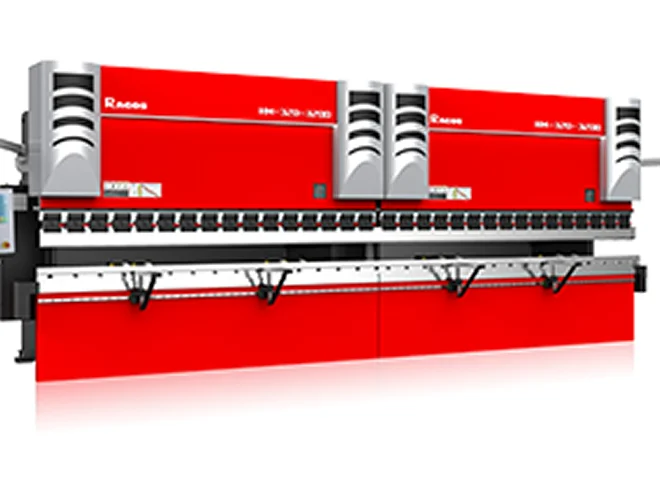
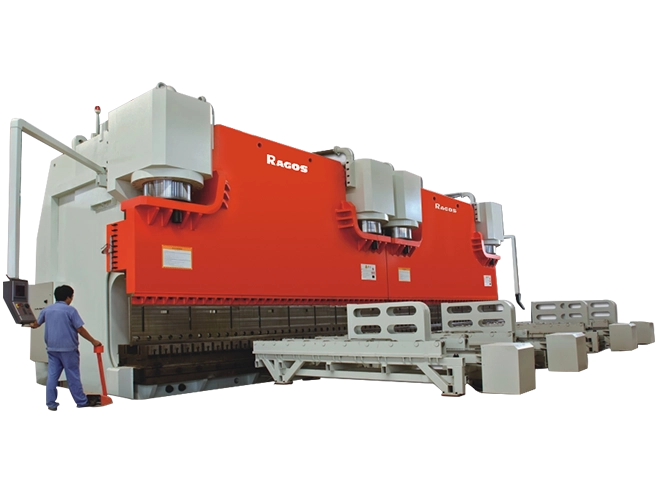


تصدير CNC Press Brake الصين: دليل المشتري المستورد الكامل لعام 2026
عندما تأخذ مصدراتصدير فرامل الضغط CNC من الصين, أنت لا تشتري آلة فقط — بل تدير سلسلة توريد عابرة للحدود تتضمن اختيار المصنع, الإشراف على الإنتاج, وثائق الجمارك, والشحن الدولي. تصدر الصين مكابح CNC إلى أكثر من 80 دولة وتظل أكبر مصدر في العالم للفرامل ذات الأسعار التنافسية, معدات ثني الصفائح المعدنية من درجة التصدير.
إتقان هذه العملية يعني فهم نظام المستوى المصنع, متطلبات وثائق التصدير, الحساب الحقيقي لتكلفة الأراضي, وكيفية تجنب الأخطاء التي تحول صفقة جيدة إلى تأخير مكلف.
لماذا تتصدر الصين صادرات فرامل الضغط CNC العالمية
لم تصبح الصين أكبر مصدر لفرامل الضغط CNC في العالم عن طريق الصدفة. الجمع بين سلسلة توريد متكاملة, عقود من تحسين التصنيع, وتبني التكنولوجيا السريع يمنح المصانع الصينية ميزة هيكلية في التكلفة والسرعة لا يضاهيها أي دولة أخرى على نطاق واسع.
يمكن لمصنع في مقاطعة جيانغسو الحصول على وحدات تحكم CNC من الموزعين المحليين, المكونات الهيدروليكية من الموردين القريبين, وهياكل مصنوعة بدقة من مصنعي الصلب الإقليميين — جميعها ضمن دائرة نصف قطرها 50–100 كم. هذه الكثافة في سلسلة التوريد تبقي أوقات التسليم قصيرة وتكاليف المكونات منخفضة. للمشترين, يترجم مباشرة إلى آلات بأسعار أقل بنسبة 30–50٪ من البدائل الأوروبية المماثلة.
نطاق الجودة واسع, لكن. تنتج الصين كل شيء من أنظمة سيرفو-كهربائية دقيقة مع هيدروليك ريكسروث ووحدات تحكم ديلم DA-69T إلى وحدات تجميع اقتصادية تستخدم مكونات غير معلنة وبدون شهادات من طرف ثالث. معرفة المستوى الذي يقع فيه موردك هو أهم قرار تتخذه قبل تقديم أي طلب لمكبح مكبس CNC للتصدير من الصين.
الطبقات الثلاثة لمصانع فرامل الضغط الصينية
المستوى 1 — قادة التصدير
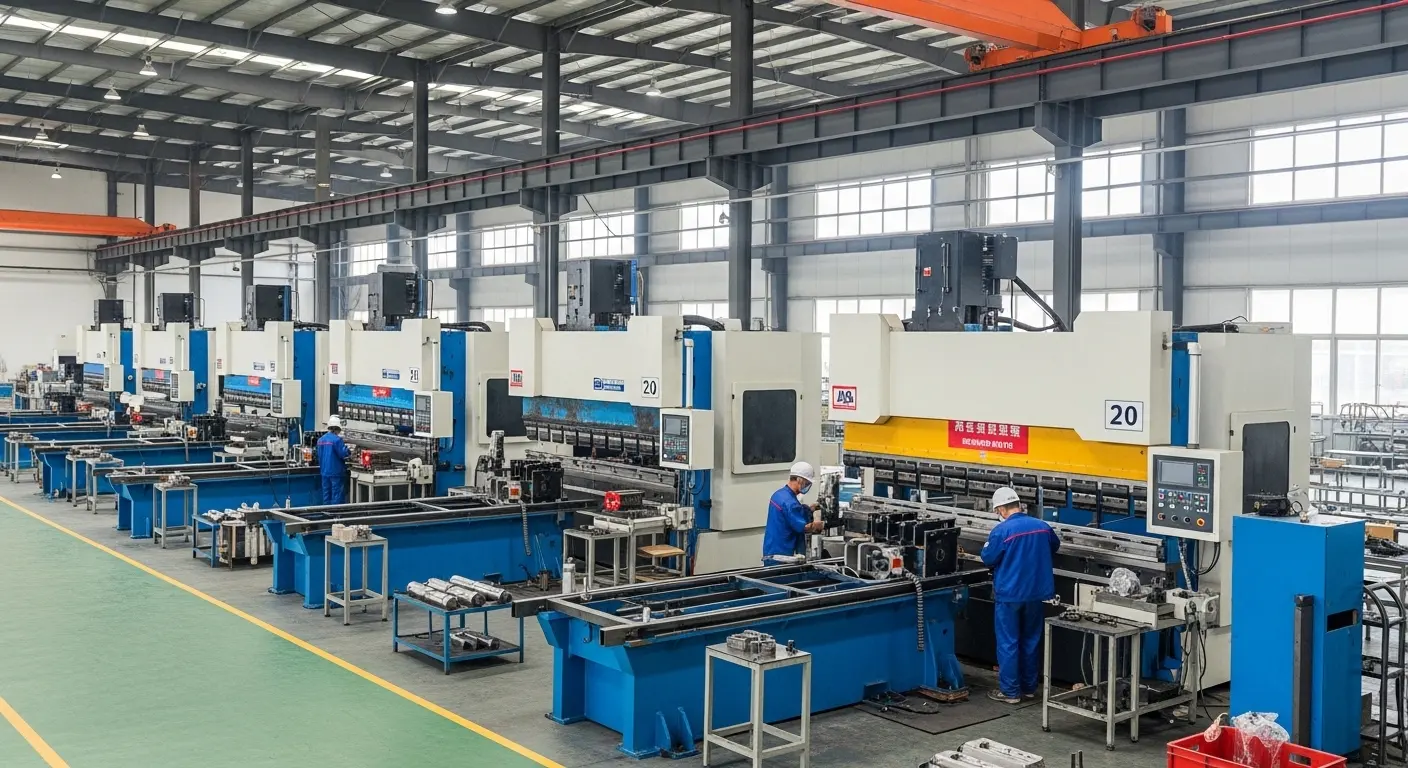
تحمل مصانع المستوى الأول شهادة CE معتمدة من طرف ثالث (صادرة عن TUV, SGS, أو مكتب فيريتاس), وظف فرق تقنية وتصدير ناطقة بالإنجليزية, وتحصل على 70–80٪ من المكونات الحيوية من العلامات الأوروبية واليابانية. العلامات التجارية في هذه الفئة — بما في ذلك Yawei, أكيرل, ADH, وJS RAGOS — لديهما تاريخ تصدير موثق إلى أوروبا, الشرق الأوسط, أمريكا الشمالية, وجنوب شرق آسيا, وتشغل فرق خدمة وتكليف مخصصة للعملاء الأجانب.
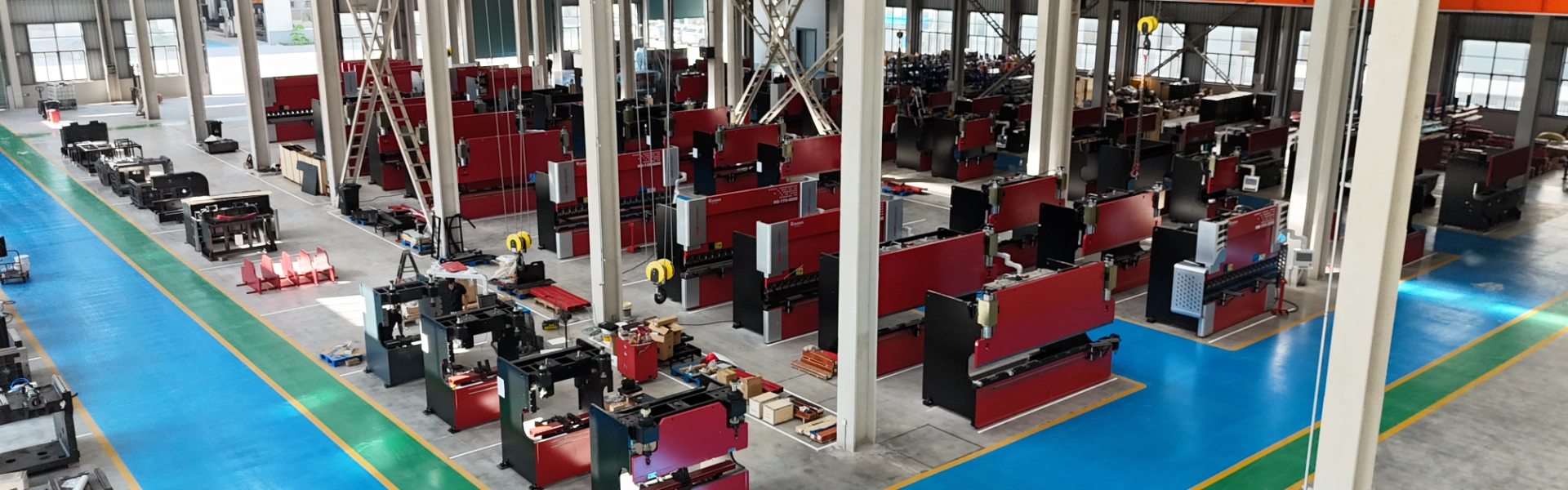
تستثمر هذه المصانع في R&D, تكرار تصاميم الآلات بانتظام, والحفاظ على مراقبة جودة الإنتاج الصارمة, بما في ذلك تجارب لمدة 48–72 ساعة على آلات مكتملة قبل التعبئة. للمشترين في الأسواق المنظمة أو الصناعات الحساسة للدقة, المستوى الأول هو الخيار المناسب الوحيد.
المستوى الثاني — خيول العمل الإقليمية
تخدم مصانع المستوى الثاني بشكل أساسي السوق الصينية المحلية لكنها تحافظ على قدرة التصدير للمشترين الأجانب. توفر أجهزتهم أداء موثوقا لتطبيقات التصنيع العامة — مكابح CNC القياسية في فئة 80T–250T — بأسعار أقل بنسبة 15–25٪ من المستوى الأول.
عادة ما يكون المقابل في دعم ما بعد البيع. غالبا ما تفتقر مصانع المستوى الثاني إلى البنية التحتية المخصصة للخدمات الدولية, وهذا يعني التكليف, توريد قطع الغيار, ويعتمد حل المشكلات التقنية بشكل كبير على أوقات استجابة البريد الإلكتروني ووكلاء الخدمة من الأطراف الثالثة. للمشترين في المناطق التي لديها شبكات خدمات محلية راسخة, هذا قابل للإدارة. للمشترين في الأسواق ذات البنية التحتية التقنية المحدودة, إنه يخلق مخاطر تشغيلية حقيقية.
المستوى 3 — ورش عمل تجميع الميزانية
عمليات المستوى الثالث تشتري الإطارات, الهيدروليكس, ووحدات التحكم من مصادر منفصلة وآلات التجميع تحت علامة خاصة. الأسعار تبدو جذابة. الجودة والتتبع لا تفعل ذلك. المكونات التي يتم الحصول عليها من موردين غير مسمين تخلق مشاكل صيانة طويلة الأمد — خاصة عندما تنتهي صلاحية تحديثات البرنامج الثابت لوحدات التحكم أو عندما لا يتم توثيق مواصفات الختم الهيدروليكي.
لأي فرامل مكبس CNC مصدرة من الصين مخصصة للاستخدام الإنتاجي الجاد, المستوى الثالث يمثل اقتصادا زائفا على مدى أفق إنتاج من ثلاث إلى خمس سنوات.
كيف تعمل عملية تصدير مكبح الضغط CNC
فهم عملية التصدير من الصين يقلل المفاجآت ويحمي استثمارك. إليك كيف تسير العملية من الاتصال الأول حتى تشغيل الآلة:
المرحلة 1 — المواصفات وعرض الأسعار. تقدم ملخصك الفني: نوع المادة وسماكتها, طول السرير, متطلبات الحمولة, عدد محاور العيار الخلفي, وتفضيل وحدة التحكم. المصنع يعيد عرض سعر مفصل يحدد نموذج الآلة, المكونات المدرجة, مدة الإنتاج, وشروط الدفع.
المرحلة الثانية — تأكيد الطلب والإيداع. شروط الدفع القياسية لفرامل ضغط CNC للتصدير من الصين هي 30٪ إيداع لبدء الإنتاج و70٪ بعد الفحص قبل الشحن ولكن قبل التحميل. لا تدفع المبلغ الكامل قبل أن ترى جهازك الخاص يكمل تجربة موثقة.
المرحلة 3 — الإنتاج ومراقبة الجودة. يستمر الإنتاج من 30 إلى 60 يوما للتكوينات القياسية, 60–90 يوما للبناء المخصص. يقوم مصنع من المستوى الأول الموثوق بتخصيص رقم تتبع الإنتاج لطلبك وتقديم تحديثات التقدم. يجب أن تكمل الآلة اختبار تحميل كامل — ثني المادة المحددة عند أقصى طول — قبل التجميع النهائي والتعبئة.
المرحلة 4 — الفحص قبل الشحن. طلب فحص ما قبل الشحن من طرف ثالث عبر SGS, مكتب فيريتاس, أو TUV قبل إصدار رصيد 70٪. المفتش يفحص أبعاد الآلة, التحقق من المكونات, نتائج اختبار الانحناء, وجودة التعبئة. للطلبات التي تزيد عن 30 دولارا,000, تكلفة الفحص التي تتراوح بين 300 و500 دولار هي إدارة مخاطر أساسية.
المرحلة 5 — الشحن والتوثيق. المصنع يصدر فاتورة تجارية, قائمة التعبئة, سند الشحن, إعلان لجنة الانتخابات الأوروبية, شهادات الاختبار, ومجموعة دليل المستخدم. يجب أن تكون هذه الوثائق دقيقة — أخطاء في وزن الآلة, تصنيف رموز HS, أو أن القيمة المعلنة تسبب تأخيرات في الجمارك تكلف أكثر يوميا مما يتوقعه معظم المشترين.
المرحلة 6 — التخليص الجمركي والتسليم. وسيط الجمارك المحلي يتولى تصنيف وتخليص رسوم الاستيراد. رمز HS القياسي لمكابح الضغط CNC هو 8462.21. تختلف الرسوم الجمركية للاستيراد من دولة لأخرى — حيث يواجه المشترون في الولايات المتحدة والاتحاد الأوروبي احتمالا رسوم إضافية لمكافحة الإغراق قد تضيف 15–40٪ إلى قيمة الآلة المعلنة. تأكد دائما من رمز HS الخاص بك وأسعار الرسوم الجمركية المطبقة مع وسيط جمارك مرخص قبل تحديد سعر الشراء ضمن ميزانيتك.
الوثائق الرئيسية لفرامل ضغط CNC للتصدير من الصين
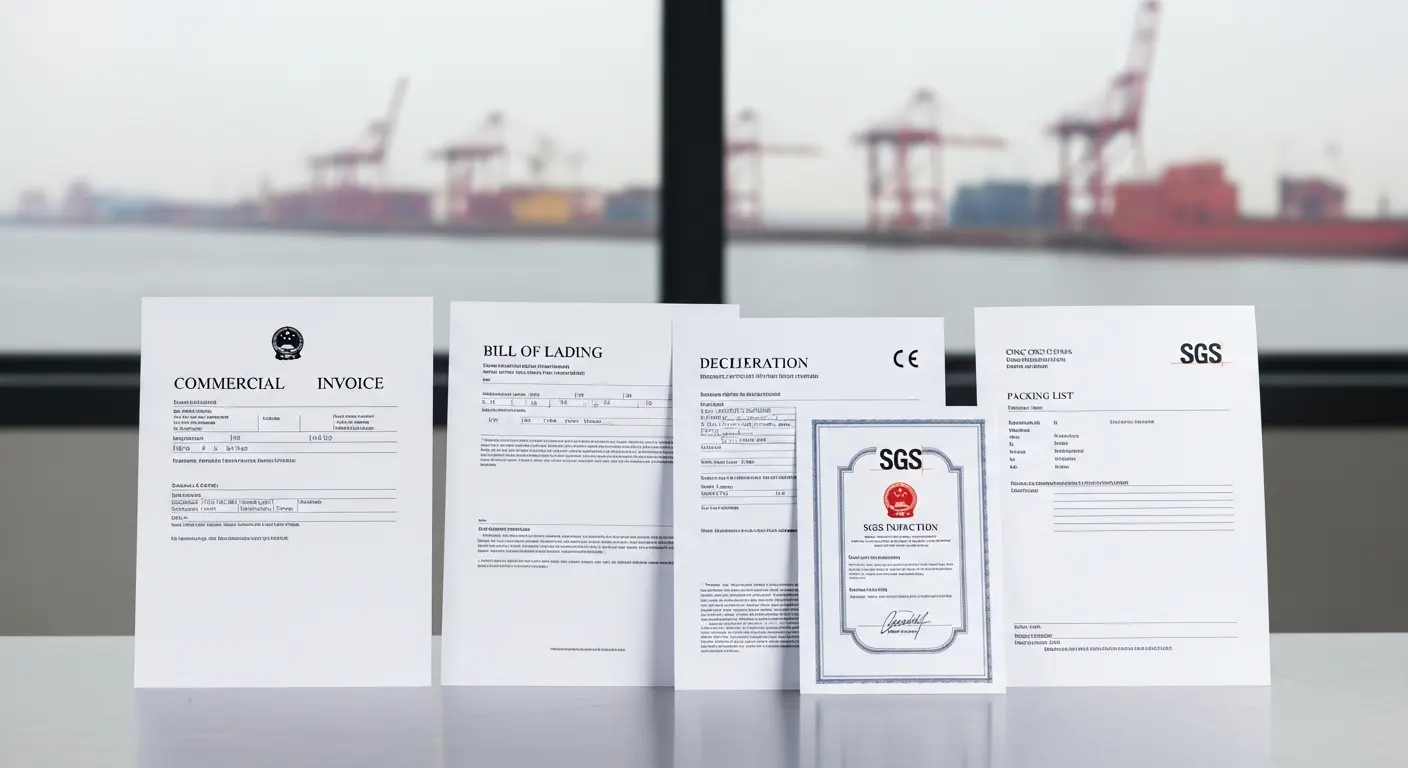
إنجاز الأوراق بشكل صحيح ليس تفصيلا إداريا — بل هو ما يمرر جهازك عبر الجمارك في الوقت المحدد. يجب أن يتم شحن كل فرامل ضغط CNC صادرة من الصين مع حزمة الوثائق التالية:
| الوثيقة | الغرض |
|---|---|
| فاتورة تجارية | يعلن قيمة الآلة, تفاصيل المشتري/البائع |
| قائمة التعبئة | وزن الآلة, الأبعاد, عدد الصناديق |
| سند الشحن | عقد الشحن وإثبات الشحن |
| إعلان التوافق الرسمي | يؤكد أن الجهاز يفي بمعايير الاتحاد الأوروبي والسلامة ذات الصلة |
| شهادة الاختبار | نتائج اختبار التشغيل في المصنع على الوثائق |
| تصنيف رمز HS | مطلوب لحساب الرسوم بدقة |
| دليل المستخدم والمخططات الكهربائية | مطلوب للتكليف والصيانة |
إذا كان هناك أي وثيقة مفقودة أو غير دقيقة, يمكن للجهات الجمركية احتجاز الشحنة للفحص أو إعادة التقييم — أحيانا لمدة أسبوعين إلى ثلاثة أسابيع. تأكيد حزمة المستندات أثناء التفاوض على الطلب المسبق, ليس بعد الشحن, يقضي تماما على هذا الخطر.
للحصول على إطار عمل مفصل حول ما يجب تأكيده مع مورد صيني قبل إرسال أي دفعة, القائمة تدقيق مصنع مكابح الصحافة في الصين يغطي متطلبات التوثيق, التحقق من المكونات, ومدة التكليف كاملة.
اختيار الشرط المناسب لاستيراد الاستيراد الخاص بك
تحدد شروط التأمين غير القانوني بالضبط أين تنتهي مسؤولية المورد وأين تبدأ مسؤولية المشتري. لتصدير فرامل CNC للضغط من الصين, ثلاثة مصطلحات غير متداخلة تسود:
FOB (الحرية على متن السفينة): يقوم المورد بتسليم الآلة إلى الميناء الصيني المذكور وتحميلها على السفينة. من تلك النقطة, جميع البضائع, التأمين, وتقع تكاليف الوجهة على المشتري. FOB هو المصطلح الأكثر شيوعا للمستوردين ذوي الخبرة الذين لديهم وكلاء شحن معروفون.
CIF (كلف, التأمين, الشحن): يدفع المورد تكاليف الشحن البحري والتأمين إلى الميناء الوجهة. يتولى المشتري إجراءات التخليص الجمركي والتسليم الداخلي. يبسط CIF ترتيب الشحن لكنه يمنح المشتري سيطرة أقل على مسار الشحن وجودة تغطية التأمين.
DDP (الرسوم المدفوعة): المورد يتولى كل شيء — الشحن, التأمين, وتخليص الجمارك — وتسليمها إلى عنوانك المذكور. DDP هو الخيار الأبسط للمستوردين لأول مرة لكنه عادة ما يكلف أكثر لأن المورد يبني هامش اللوجستيات ضمن السعر.
للمشترين الذين يستوردون من الصين لأول مرة, DDP يزيل معظم التعقيد اللوجستي. للمستوردين ذوي الخبرة الذين لديهم علاقات شحن راسخة, عادة ما يقدم FOB أفضل تكلفة هبوط.
أفضل المصانع الصينية لتصدير مكابح الضغط CNC في عام 2026
ياوي (جيانغسو)
ياوي هي أكبر شركة مدرجة في البورصة لتشكيل المعادن في الصين وتعد معيارا لجودة التصدير من المستوى الأول. تستخدم أجهزتهم الهجينة الآلية وحدات تحكم Delem أو ESA وتحمل شهادة CE موثقة EN12622. للمشترين الأوروبيين الذين يحتاجون إلى آلات معتمدة من طرف ثالث, ياوي هو الخيار الصيني الأكثر وضوحا.
أكيرل (أنهوي)
تنتج أكورل فرامل ضغط CNC على الطراز الأوروبي مع هيدروليك ريكسروث ووحدات تحكم دلم كمعيار. تعد أحجام صادراتهم إلى أوروبا وأمريكا الشمالية من بين الأعلى بين جميع الشركات المصنعة الصينية, مدعومة من شبكات الوكلاء الإقليمية في ألمانيا, فرنسا, والمملكة المتحدة.
شبيبة راغوس (جيانغسو)
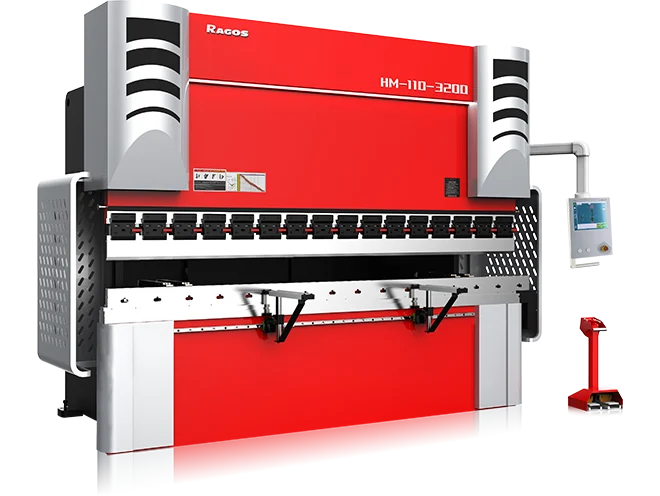
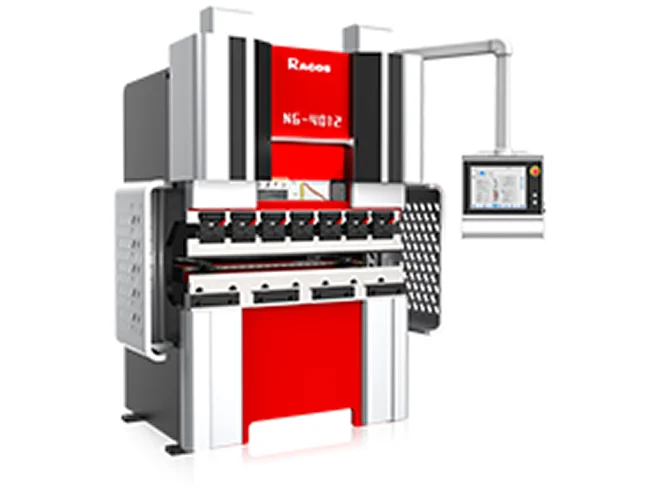
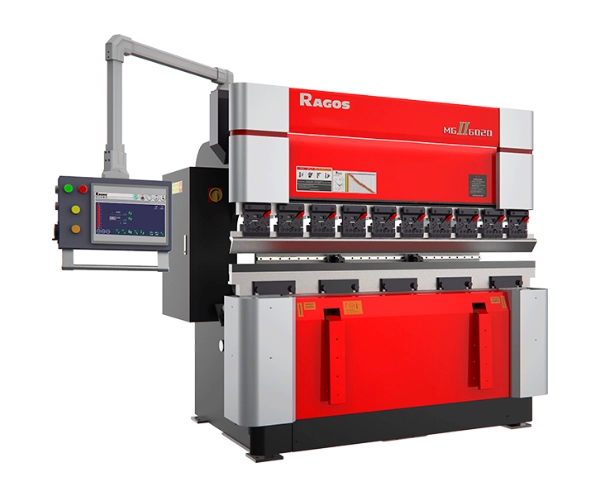
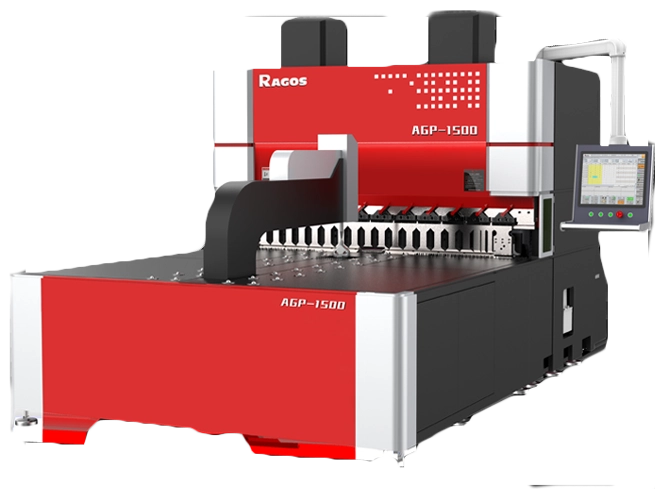
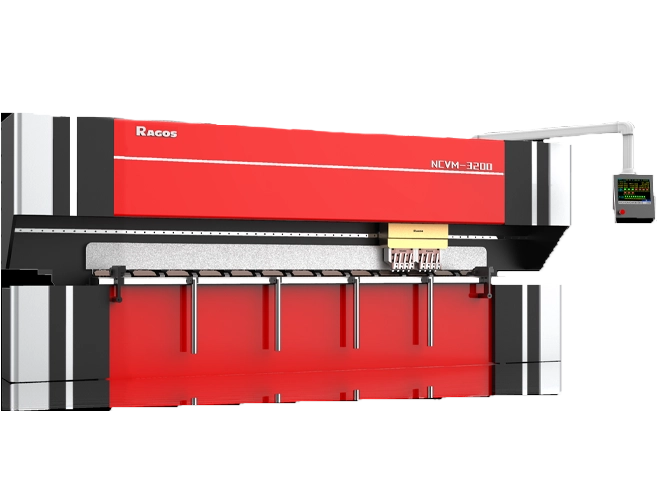
تجمع جي إس راجوس بين مبادئ التصميم الأوروبية وهياكل تكلفة التصنيع الصينية لإنتاج فرامل ضغط CNC من 40 طن إلى 600 طن. شهادة CE وISO 9001, مع دعم التكليف, تكوينات المحاور المخصصة, والتسعير المباشر للمصانع للمشترين في جميع أنحاء أوروبا, الشرق الأوسط, جنوب آسيا, وجنوب شرق آسيا.
لمقارنة كاملة بين العلامات التجارية النشطة حاليا في أسواق التصدير العالمية, الأفضل 10 مصنعين لفرامل الضغط في 2026 الدليل العالمي يغطي سجل كل علامة تجارية في التصدير, المناطق المدعومة, ومستوى جودة الآلة.
هارسل (جيانغسو)
تعد HARSLE واحدة من أكثر العلامات التجارية الصينية شهرة عالميا لفرامل الضغط, معروفة بأنظمة CNC القابلة للتكوين العالية والاستجابة السريعة لطلبات المواصفات المخصصة. تغطي سلسلتهم WC67Y وWC67K أوسع نطاق حمولة بين أي مصنع صيني منفرد, من وحدات الطاولة بوزن 40 طن إلى أنظمة الصفائح الثقيلة بوزن 600 طن.
شينتشونغ (جيانغسو)
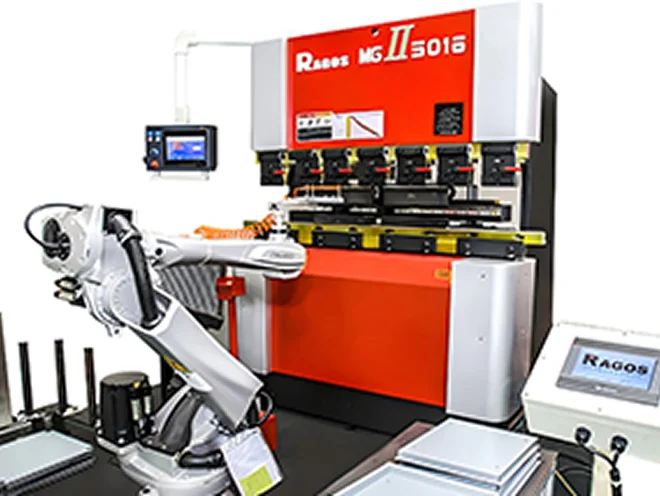
بنت شينتشونغ قوة خاصة في خلايا الثني الروبوتية وأنظمة فرامل الضغط المدمجة مع الأتمتة. للمشترين الذين يخططون لبيئات إنتاج بإطفاء الإضاءة أو تقليل التشغيل, تتميز آلات شينتشونغ الجاهزة للأتمتة في سوق التصدير الصيني.
للحصول على نظرة أوسع لمصنعي فرامل الضغط CNC المنافسين في الفئة العالمية الكبرى — بما في ذلك العلامات الأوروبية واليابانية إلى جانب المصدرين الصينيين —مقارنة بين أفضل مصنعي مكابح CNC حول العالم يقدم تحليلا كاملا عبر الأسواق.
طرق الشحن وأوقات العبور من الصين
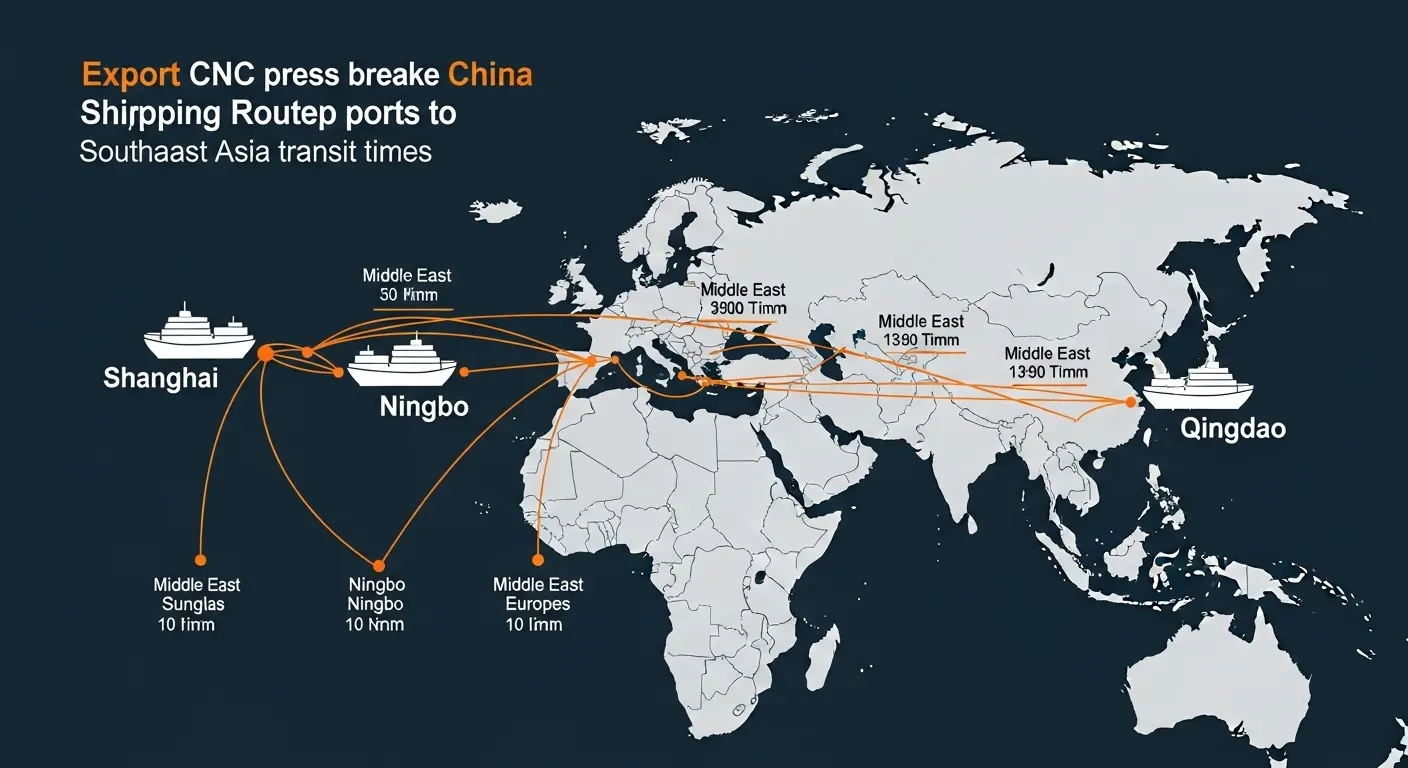
اختيار المنفذ يؤثر على التكلفة ووقت العبور لفرامل CNC للتصدير من الصين. تتعامل ثلاثة موانئ مع غالبية صادرات الآلات الثقيلة:
| منفذ الأصل | الأفضل ل | وقت العبور (الشرق الأوسط) | وقت العبور (أوروبا) |
|---|---|---|---|
| شنغهاي | مصانع الساحل الشرقي, أسرع حجز | 18–22 يوما | 28–35 يوما |
| نينغبو | مصانع تشجيانغ وجنوب جيانغسو | 20–25 يوما | 30–38 يوما |
| تشينغداو | مصانع شمال الصين وشاندونغ | 22–27 يوما | 32–40 يوما |
مكابح الضغط الثقيلة (250T وما فوق) الشحن على حاويات ذات رفوف مسطحة أو مفتوحة الأعلى, والتي تتطلب حجزا مسبقا لأن توفر الرفوف المسطحة محدود في العديد من المسارات. تأكد من متطلبات نوع الحاويات مع وكيل الشحن قبل الانتهاء من جدول الإنتاج, لأن توفر الحاويات يؤثر على تاريخ التسليم الفعلي بقدر ما يؤثر وقت التسليم في المصنع.
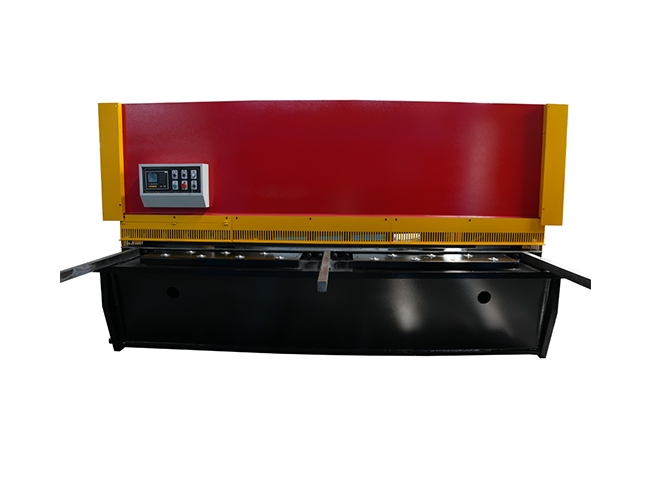
بالنسبة للصانعين، يستولى أيضا على آلات القص إلى جانب فرامل الضغط, الأفضل 10 مصنعين لآلات القص في عام 2026 تغطي العلامات التجارية الصينية والعالمية الرائدة التي تنتج مقصات المقصلة ومقصات العارضة المتأرجحة لنفس الأسواق التصديرية.
الأخطاء الشائعة في الاستيراد التي يجب تجنبها
يكرر مشترو فرامل CNC التصدير من الصين نفس الأخطاء التي كان من الممكن تجنبها. إليك أغلى الأنواع, وماذا أفعل بدلا من ذلك:
دفع المبلغ كاملا مقدما. لا يتطلب أي مصنع موثوق من المستوى الأول الدفع الكامل قبل اكتمال الإنتاج. هيكل الدفع بنسبة 30/70 يحمي كلا الجانبين.
تخطي الفحص قبل الشحن. تكلفة فحص SGS أقل من 500 دولار. جهاز يصل بمواصفات غير مطابقة — نسخة تحكم خاطئة, تحمل طول السرير بشكل خاطئ, ماركة مكون خاطئة — تكلف عشرات الآلاف للحل بعد التسليم.
لا يتم تأكيد حالة ضريبة مكافحة الإغراق. يحتاج المشترون الأمريكيون والأوروبيون إلى التأكد مما إذا كان تصنيفهم الخاص برمز HS يفرض رسوم إضافية قبل الالتزام بسعر الشراء. لطالما سارت رسوم مكافحة الإغراق على فرامل الصحافة الصينية في كلا السوقين.
قبول شروط ضمان غامضة. "ضمان لمدة سنة واحدة" ليست ضمانا — بل هي مطالبة تسويقية. احصل على نطاق الضمان كتابيا: ما هي المكونات التي يتم تغطيتها, ما هي أنماط الفشل التي يتم استبعادها, كيف تتم إصلاحات الضمان في بلدك, وما هو وقت تسليم القطع.
عدم التحقق من جهة إصدار شهادة CE. اطلب اسم الجهة الإعلامية ورقم الشهادة. يمكن التحقق من شهادات CE الحقيقية مباشرة في قاعدة بيانات الجهة المصدرة العامة.
للمشترين الذين يمرون عملية تقييم الموردين الكاملة وتخطيط الاستيراد, الدليل توريد موردي فرامل مكبس CNC الدولية تغطي القائمة الكاملة — من اختيار المصنع إلى تخطيط دعم التكليف بعد التسليم — في جميع أنحاء الصين, تركيا, وأسواق التصدير الأوروبية.
بالإضافة, يمكن للمشترين الذين يقومون بإعداد منشآت تصنيع كاملة — من توفير مكابح الضغط ومعدات قطع الليزر أو البلازما — مراجعة الصورة الأوسعدليل مصنع معدات تصنيع المعادن لتوفير استراتيجيات تغطي عدة فئات من المعدات من موردين منسقين أو منسقين.
الأسئلة الشائعة حول تصدير CNC Press Brake في الصين
كم يكلف استيراد فرامل ضغط CNC من الصين?
تعتمد تكلفة الفرامل الصادرة CNC من الصين على سعر EXW للآلة, الشحن البحري (800–2 دولار,500 للحاويات القياسية), الرسوم الجمركية على الاستيراد (تختلف من بلد لآخر, عادة 5–40٪), ورسوم التعامل مع الجمارك المحلية. جهاز 110T بسعر 35 دولارا,000 عادة ما يكلف EXW 42 دولارا,000–50 دولارا,000 فبعد كل تكاليف الاستيراد, اعتمادا على معدلات الرسوم الجمركية حسب بلد الوجهة. احسب دائما تكلفة الأرض — وليس فقط سعر المصنع — قبل مقارنة آلة صينية ببديل محلي المصدر.
أي منفذ صيني يجب أن أستخدمه لاستيراد فرامل الضغط?
تتعامل شنغهاي وننغبو مع أكبر حجم من صادرات الآلات وعادة ما تقدمان أكثر أسعار الشحن تنافسية وتوفر الحجز. بالنسبة لمعظم مصنعي مقاطعتي جيانغسو وتشجيانغ — حيث يتركز معظم إنتاج فرامل الضغط في الصين — تعتبر نينغبو أو شنغهاي الخياراتين الطبيعية للميناء. تأكد من المصنع من أي منفذ يحملون منه, حيث يزيد النقل الداخلي من المصنع إلى الميناء إلى الوقت الإجمالي للانتظار.
هل شهادة CE من مصنع صيني موثوقة?
يعتمد ذلك على من أصدرها. شهادات CE الصادرة عن الهيئات المعترف بها من الاتحاد الأوروبي (TÜV SÜD, مكتب فيريتاس, SGS) يحمل وزن التحقق الحقيقي. الشهادات التي تعلن نفسها أو تصدرها هيئات غير معترف بها لا تفي بمتطلبات استيراد الاتحاد الأوروبي. اطلب دائما اسم الهيئة الإعلامية وتحقق من رقم الشهادة في سجلهم العام.
هل يمكنني زيارة المصنع قبل الطلب؟?
نعم — وللطلبات التي تزيد عن 50 دولارا,000, زيارة المصنع تستحق تكلفة السفر. معظم مصنعي فرامل الضغط الصينية من المستوى الأول في مقاطعتي جيانغسو وأنهوي يمكن الوصول إليهم عبر مطارات شنغهاي أو هيفي. إذا لم يكن السفر عمليا, جولة فيديو مباشرة في مصنع مع قائمة تحقق منظمة تحقق تحقق تحقق تحقق معظم أهداف التحقق نفسها.
ما هو الحد القياسي للدفع لتصدير فرامل الضغط CNC من الصين?
المعيار الصناعي هو 30٪ إيداع عند تأكيد الطلب و70٪ رصيد بعد الفحص قبل الشحن وقبل تحميل السفينة. تجنب أي مورد يطلب دفعا مقدما بنسبة 100٪ — فهذا يزيل قدرتك على الالتزام بالمواصفات قبل الشحن.