

آلة ثني الألواح الثقيلة: دليل المشتري الكامل لعام 2026
Aآلة ثني الصفائح الثقيلة مصممة لنوع العمل الذي لا تستطيع مكابح الضغط القياسية وأنظمة الانحناء الخفيفة التعامل معه — الفولاذ الهيكلي السميك, مكونات أوعية الضغط, ملفات بناء السفن, عوارض البناء, وأجزاء صناعية كبيرة الحجم. عند 250 طن وما فوق, وزن الإطار, الهيكلية الهيدروليكية, نظام التبريد, ويجب أن تتطابق جميع تكوينات القوالب مع التطبيق بدقة. تحديد هذه المواصفات بشكل صحيح يحدد ما إذا كانت الآلة تعمل بالطاقة المقررة بعد ثلاث سنوات أو تبدأ في إظهار انحراف, أعطال الختم, وتناقضات زاوية الانحناء خلال اثني عشر شهرا.
يغطي هذا الدليل ما يميز الآلات الثقيلة الأصلية عن الآلات المتوسطة التي تسوق بلغة التحمل الثقيلة, أي المواصفات مهمة, وكيفية اختيار التكوين المناسب لمتطلبات الإنتاج الخاصة بك.
ما الذي يعتبر آلة ثني ألواح ثقيلة?
المصطلح "المهام الثقيلة" تعني أشياء محددة في انحناء الصفائح. Aآلة ثني الصفائح الثقيلة تعمل في 250T–3,000فئة T, ينحني المادة من 8 مم إلى 80 مم في الفولاذ الطري, الفولاذ المقاوم للصدأ, أو سبائك هيكلية عالية القوة, ويمتد عبر أطوال الأسرة بمقدار 4,000مم إلى 12,000هممم.
الآلات المستخدمة في أحواض بناء السفن, محطات أوعية الضغط, تصنيع البناء الثقيل, تصنيع أبراج الرياح, وإنتاج معدات التعدين جميعها تقع ضمن هذه الفئة. فرامل الضغط CNC القياسية من فئة 80T–150T — بغض النظر عن لغة التسويق — ليست آلات ثقيلة التحمل. المتطلبات الهيكلية لتشكيل صفيحة هيكلية بقطر 20 مم عند 6,000طول الmm يفرض متطلبات مختلفة تماما على صلابة الإطار, الضغط الهيدروليكي, وتوجيه رام بدلا من ثني ألواح صفائح معدنية بحجم 2 مم.
تهيمن ثلاثة أنواع من الآلات على قطاع ثني الألواح الثقيلة:
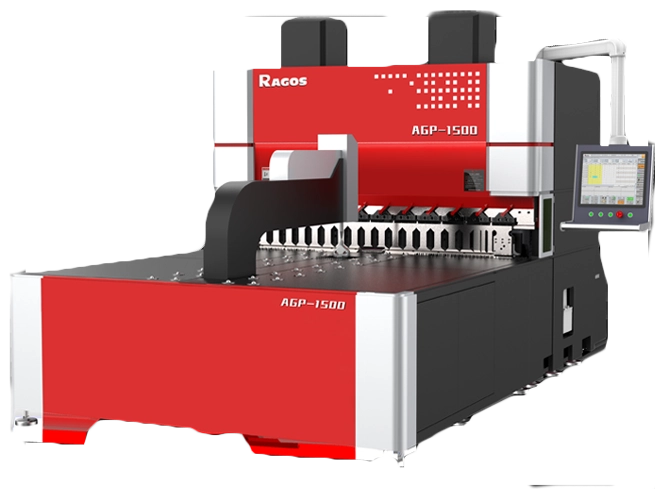
- فرامل CNC الثقيلة — انحناء من نوع الكبش للطيات الزاوية في الصفائح السميكة (250T–3,000T)
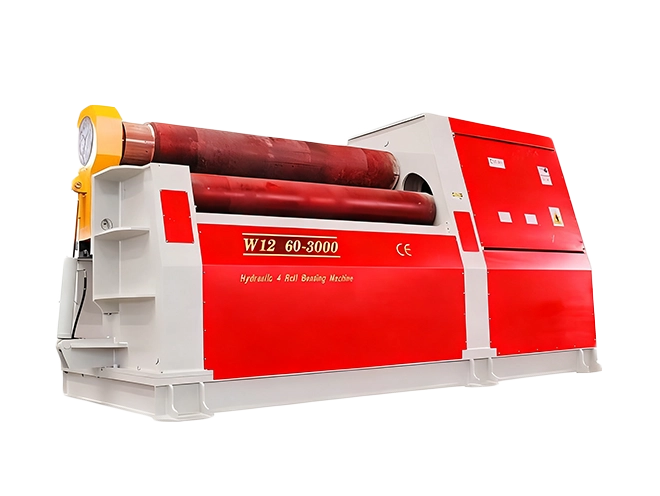
- آلات درفلة الألواح ذات الأربع لفات — لتشكيل أصداف أسطوانية ومخروطية من ألواح ثقيلة
- آلات درفلة الألواح ذات الثلاث لفات — للانحرافات ذات نصف قطر كبير في بناء السفن وتصنيع خزانات التخزين
فرامل CNC الثقيلة: 250T إلى 3000T
وزن الإطار وصلابته
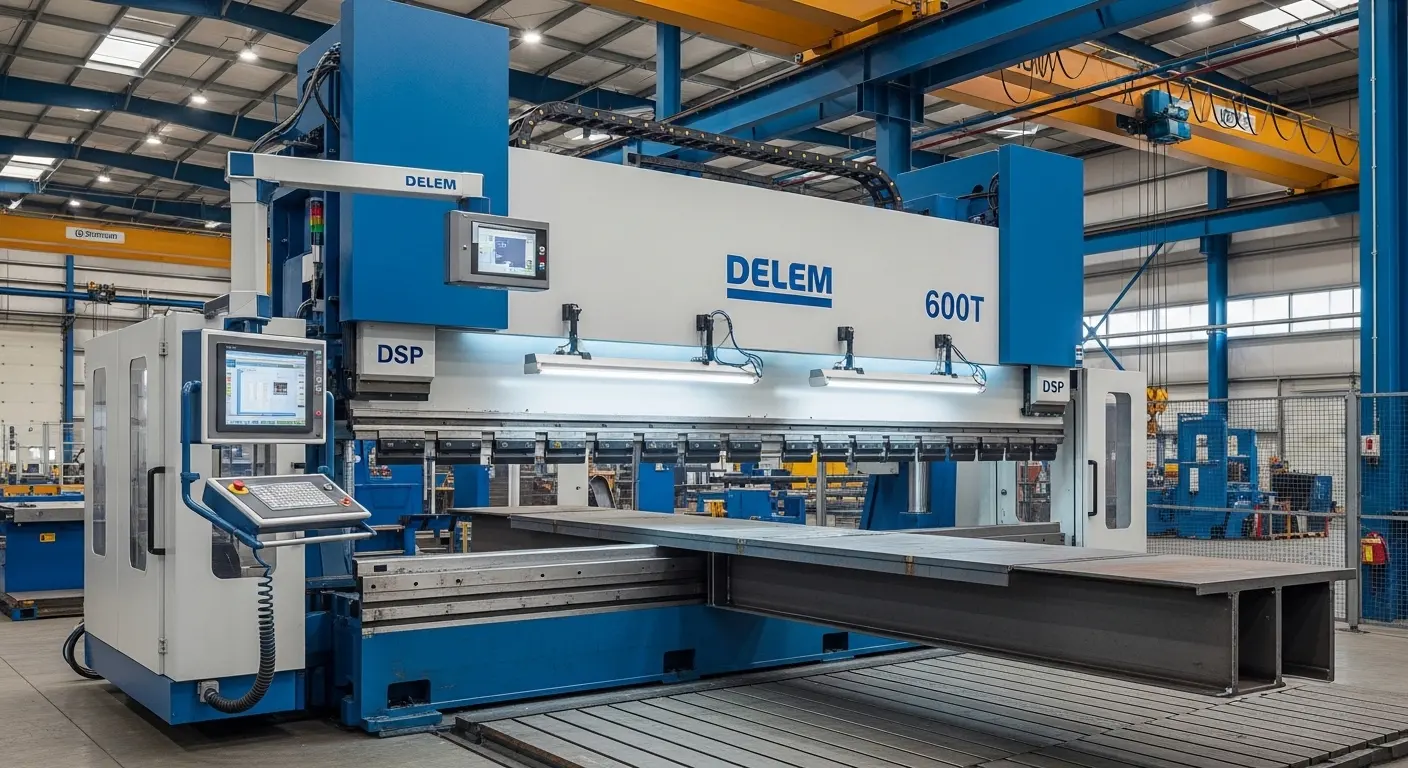
المواصفة الأهم فيآلة ثني الصفائح الثقيلة هو وزن الإطار. إطار أثقل — فولاذ هيكلي ملحوم بالكامل, تخفيف الضغط بعد اللحام, يتم تشكيلها بدقة على جميع أسطح المحامل — ويقلل من الانحراف تحت الحمل الكامل. الانحراف هو العدو لزوايا الانحناء المتسقة على الألواح الطويلة.
يجب أن يزن فرامل الضغط الثقيلة الموثوقة عند 400 طن على الأقل 18,000–22,000 التاريخ الطبي. جهاز يعرض سعر 400 طن لكنه يزن 12,000 حقق Kg هذا التقليل من الوزن من خلال تقليل الفولاذ الهيكلي في الإطار — مما يعني مباشرة المزيد من الانحراف تحت الحمل, وهذا يعني زوايا انحناء غير متسقة على أي صفيحة تزيد عن 3 أمتار.
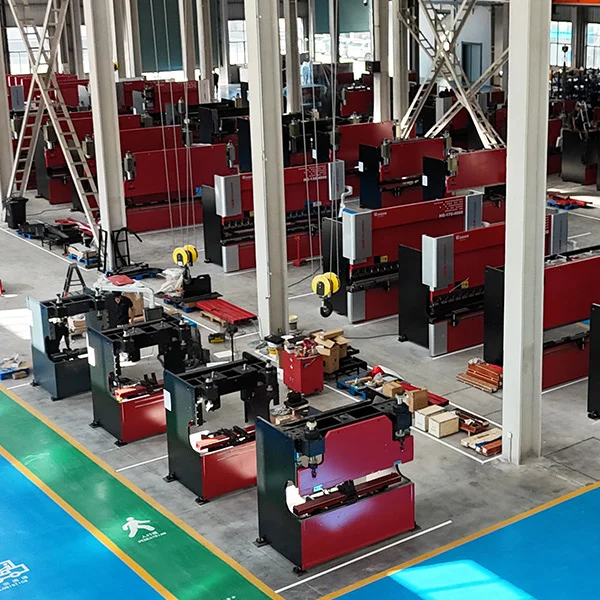
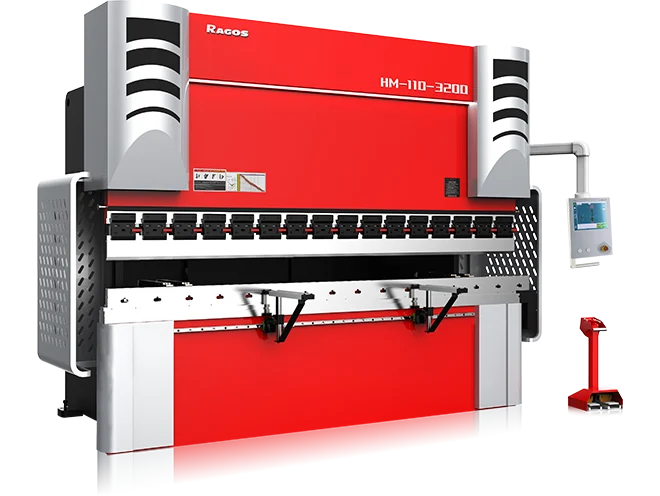
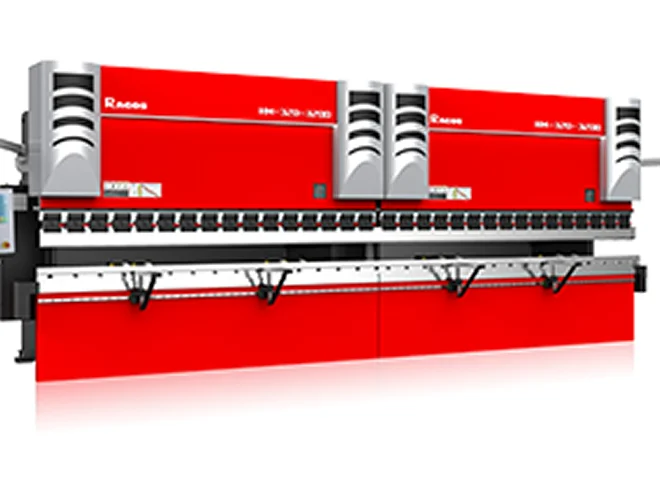
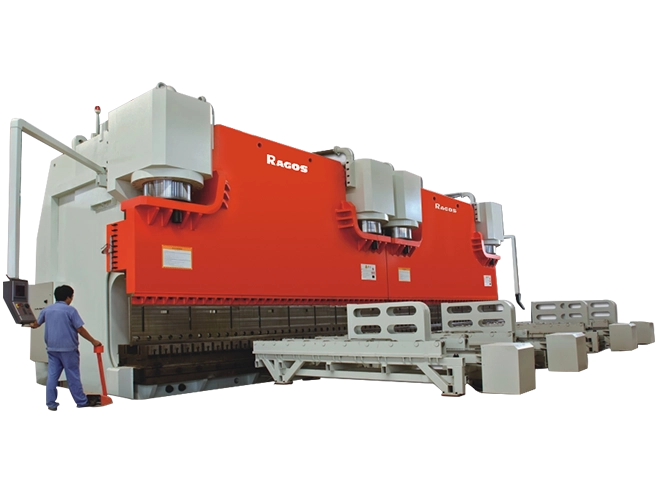
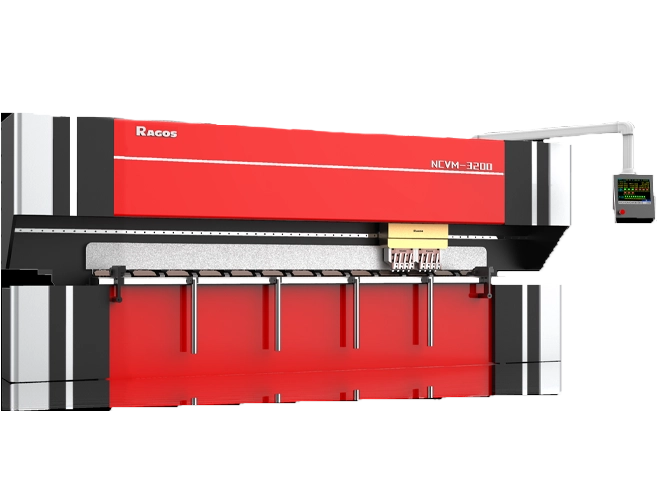
تغطي سلسلة JS RAGOS HG/HM النطاق من 600T إلى 3,000T مع إطارات ملحومة بالكامل وخالية من الضغط, أصابع قابلة للتعديل بشكل مستقل بمقياس خلفي حتى طول السرير 12 متر, وطاولة تاج مدمجة تعوض انحراف الإطار في الوقت الحقيقي. النطاق الكامل للمواصفات, بما في ذلك خيارات الحمولة, أطوال الأسرة, وتكوينات وحدة التحكم, متاح علىصفحة منتج فرامل الضغط الثقيلة JS RAGOS.
نظام الطاقة DSVP للإنتاج الثقيل
آلة ثني الألواح الثقيلة بسرعة 600 طن تعمل بدورين أو ثلاث يوميا تولد حرارة هيدروليكية هائلة. بدون نظام طاقة وتبريد مناسب, ترتفع درجة حرارة الزيت الهيدروليكي تدريجيا, انخفاض طول عمر الفقمات, وتتدهور دقة تحديد المواقع عبر التحول مع تغير لزوجة الزيت.
نائب الرئيس الممتاز في جمعية JS RAGOS (مضخة الصمام المزدوج) النظام يعالج هذا بشكل مباشر. تتحكم محركاتا سيرفو مزدوجة في خرج المضخة الهيدروليكية عند الطلب — وتفعل فقط أثناء حركة الرام النشطة, ليس بشكل مستمر. يقلل هذا من استهلاك الطاقة بنسبة 60–70٪ مقارنة بمحركات المضخات الهيدروليكية ذات السرعة الثابتة التقليدية عند حمولة مكافئة.
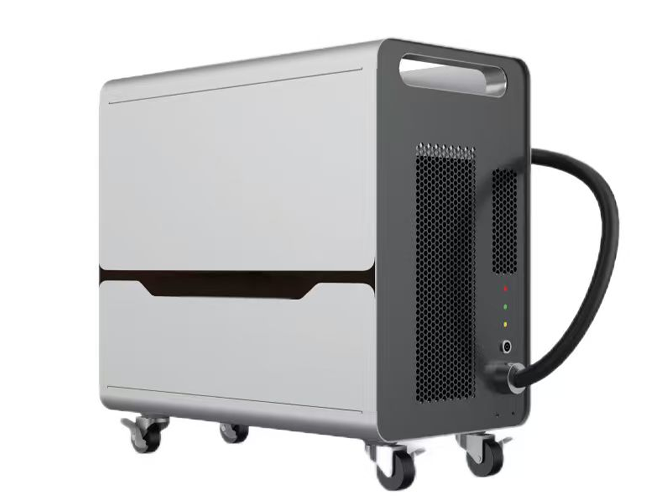
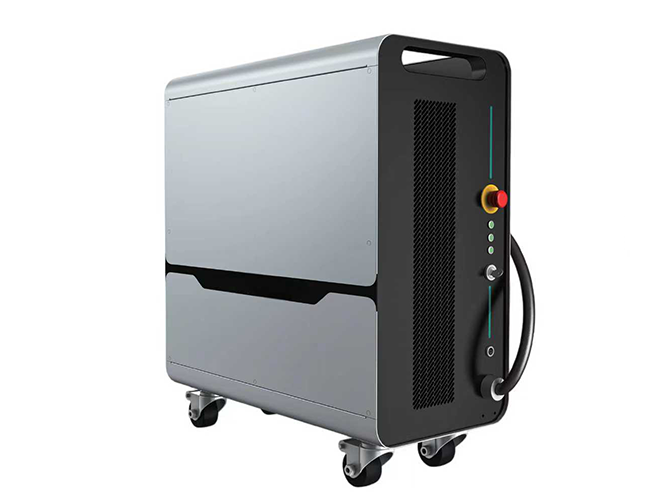
بالإضافة, يقترن نظام DSVP مع نظام مخصصوحدة التبريد الصناعية هذا يثبت درجات حرارة الزيت الهيدروليكي ومحركات السيرفو للإنتاج المستمر على مدار الساعة — مصمم خصيصا للمناطق المناخية الحارة حيث تسرع درجة الحرارة المحيطة الحمل الحراري للنظام الهيدروليكي. لشرح كامل لكيفية تقليل بنية السيرفو-هيدروليكية DSVP لسحب الطاقة مع الحفاظ على الدقة عند الحمولة الثقيلة, الصفحة نظام فرامل الضغط الهجينة DSVP يغطي الهيكل التقني بالتفصيل.
نظام القوالب القابلة للتعديل من نوع فاريو للعمل على الألواح الثقيلة
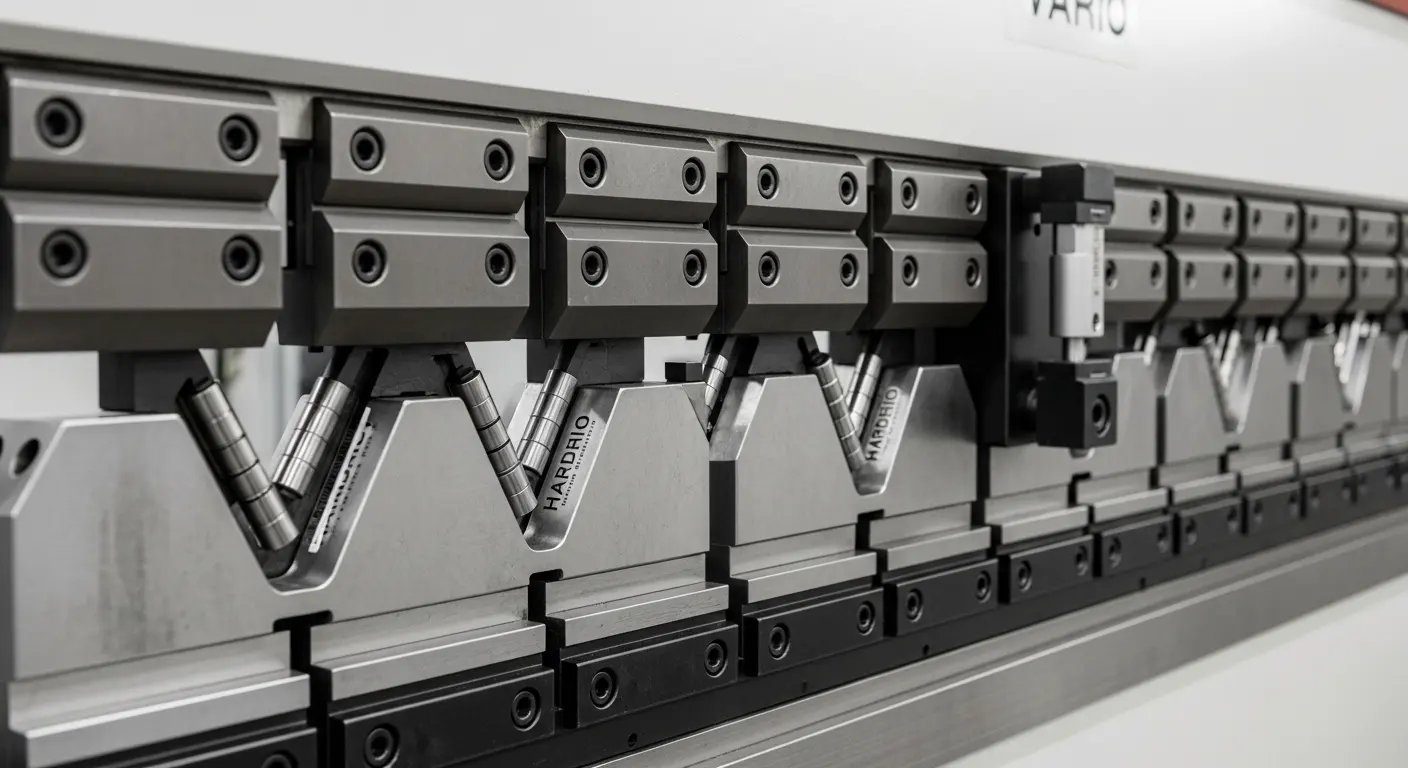
واحدة من أكثر المواصفات التي لم تحظ بالتقدير الكافي،آلة ثني الصفائح الثقيلة هو تكوين القالب. تتطلب قوالب القرص الثابت القياسية تغييرات في الأدوات عند التبديل بين سماكات المواد — وهو أمر في جهاز 600T بسرير بطول 12 متر عملية تستغرق وقتا طويلا وتتطلب جهدا جسديا.
نظام القوالب القابلة للتعديل من Vario المثبت على فرامل الضغط الثقيلة JS RAGOS يقضي على هذه المشكلة. كل شريحة شريحة تتكيف بشكل مستقل مع فتحة V مختلفة, مما يسمح بعدة أحجام V على نفس صندوق فرامل الضغط دون تغيير واحد في الأداة. يتم التعديل عبر نظام تروس هوائية عند 6 بار — حيث يتم التموضع من الحد الأدنى إلى الحد الأقصى V خلال 5 ثوان فقط, مع إشارة تأكيد صوتية تؤكد التموضع الصحيح.
بالنسبة لورش الألواح الثقيلة، يتم تشغيل مقاييس المواد المختلطة عبر تبديل واحد — حوامل هيكلية من الفولاذ الطري بحجم 12 مم في الصباح, حواف الفولاذ المقاوم للصدأ بقياس 20 مم في فترة بعد الظهر — نظام فاريو يزيل عنق الزجاجة لتغيير الأدوات تماما. كما أن البكرات الداخلية المقوى تقلل من متطلبات قوة الانحناء بنسبة 25–30٪, مما يقلل من إجهاد النظام الهيدروليكي ويطيل عمر خدمة القوالب عند الإنتاج المستمر للألواح الثقيلة.
آلات درفلة الألواح ذات الأربع لفات لأعمال الأسطوانات الثقيلة والأغلفة
ليست كل تطبيقات ثني الألواح الثقيلة تتطلب فرملة ضغط زاوي. أوعية الضغط, خزانات التخزين, المبادلات الحرارية, أقسام أبراج الرياح, وتتطلب بكرات الأنابيب تشكيل أسطواني — وهذا هو مجالآلة ثني الصفائح الثقيلة في تكوينها المتدحرج.
توفر آلة درفلة الألواح بأربع لفات مزايا محددة مقارنة بنظام الثلاث لفات للإنتاج الثقيل:
- الرول الرابع ينحني الحافة الأمامية للصفيحة مسبقا دون إعادة تموضع, إزالة المنطقة المسطحة في نهاية اللوح
- توفر الأسفلة مرجعا ثابتا للتحكم المستمر في القطر خلال فترات الإنتاج الطويلة
- التحكم الكامل في CNC لجميع اللفات الأربع يسمح بنصف قطر قابل للبرمجة للانحناء, ضغط ما قبل الانحناء, وسرعة تغذية المواد
The JS RAGOSآلة درفلة الألواح بأربع لفات متوفرة بتكوينات خطية ونوع قوس, مما يوفر مرونة لأنماط الإنتاج المختلفة من أغلفة أوعية الضغط المدمجة إلى خزانات التخزين ذات القطر الكبير.
لتطبيقات الدرفلة الهيدروليكية الثقيلة — بما في ذلك تكوينات الهرم بثلاث لفات و3 لفات غير متماثلة —مجموعة آلات درفلة الألواح الهيدروليكية JS RAGOS تغطي مواصفات عرض الألواح حتى 6,000مم وسماكة الدرفلة تصل إلى 200 مم في الفولاذ الطري.
المواصفات الرئيسية التي يجب تحديدها قبل الشراء
عند تحديدآلة ثني الصفائح الثقيلة, هذه هي المعايير التي تحدد ما إذا كانت الآلة تتوافق مع متطلبات الإنتاج الفعلية الخاصة بك:
أقصى سمك للألواح ودرجة المادة. الفولاذ الطري S235 عند 20 مم يتطلب قوة مختلفة عن الفولاذ الهيكلي عالي القوة S355 بنفس السمك. حدد دائما كل من السماكة وقوة الانضمام. (MPa) من أسمك لديك, المادة الأكثر صلابة — وليس فقط السماكة.
أقصى عرض لللوحة (طول السرير). يجب أن يتجاوز طول سرير الجهاز بشكل مريح أطول صيغة اللوحة لديك. للانحناء عند 6,000مم بزاوية ثابتة, طول السرير, نظام التتويج, وحركة المسار الخلفي كلها تحتاج إلى محاذاة.
الحد الأدنى لنصف قطر الانحناء الداخلي. تتطلب الصفيحة الثقيلة نصف قطر انحناء أكبر من الصفائح الرقيقة لتجنب التشقق عند الألياف الخارجية. تأكد من خيارات فتح القوالب في الآلة مقابل نصف قطر الانحناء المطلوب لدرجة المادة.
عدد المحاور المطلوب. مقياس خلفي بأربعة محاور (محوران X و R على كل جانب) يتعامل مع الأعمال القياسية على الصفائح الثقيلة. للبرامج المعقدة متعددة الخطوات على المكونات الهيكلية الكبيرة, تسمح تكوينات الستة محاور مع حركة محور Z بتحديد المواقع غير المتماثلة التي توفر عدة دورات إعادة تموضع لكل جزء.
نوع نظام التوج. بالنسبة لأطوال الأسرة التي تزيد عن 4,000هممم, التتويج الهيدروليكي الأوتوماتيكي ضروري — وليس خيرا. يتطلب التلوين اليدوي إعادة المعايرة في كل مرة يتغير فيها مقياس المادة أو فتحة V, وهذا يضيف وقت إعداد كبير على جهاز حيث كل دقيقة إعداد تتطلب تكلفة مساحة أرضية عالية.
للمشترين الذين يقومون بتقييم فئة JS RAGOS بوزن 600 طن تحديدا, الصفحة مواصفات فرامل الضغط CNC بوزن 600 طن تغطي تكوينات الحمولة إلى الطول الدقيقة, خيارات وحدة التحكم, وتوافق نظام DSVP.
التطبيقات التي تتطلب آلة ثني ألواح قوية
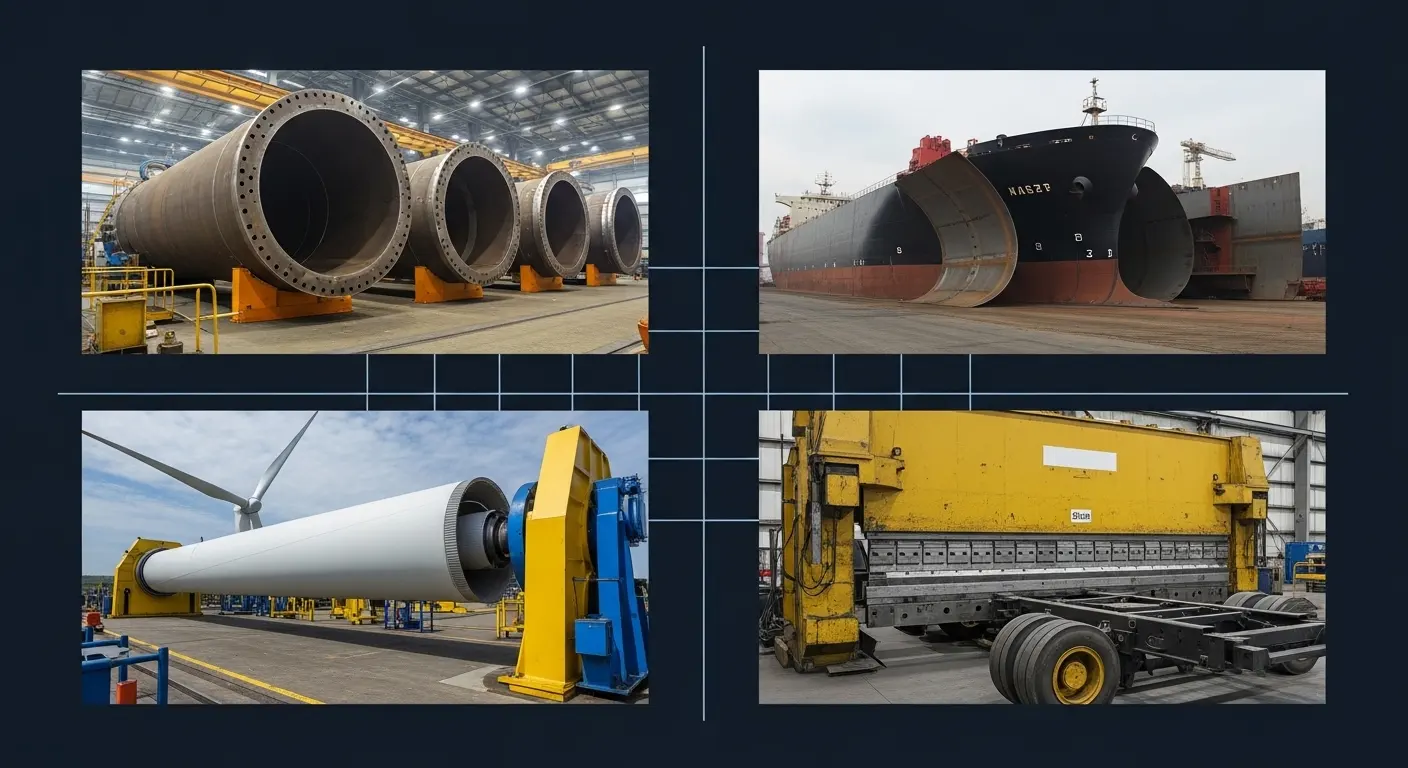
الصناعات التي تعتمد علىآلات ثني الصفائح الثقيلة يشترك في متطلب مشترك: متسقه, الانحناء القابل للتكرار على مادة سميكة في صيغ الألواح الطويلة, غالبا ما كانت تحت جداول إنتاج مرهقة.
تصنيع الأوعية والبيرت بالضغط. الحواف, رؤوس, وأقسام القذائف من الفولاذ الكربوني, الفولاذ المقاوم للصدأ, وتتطلب سبائك الكروم-مولي ثنيا بسماكة 15 مم–60 مم مع تفاوتات أبعاد محكمة وتوثيق كامل للتتبع.
بناء السفن وتصنيع الهياكل البحرية. أعضاء الإطار, أقسام الهيكل, وصفائح السطح من الفولاذ المصمم لبناء السفن تمتد بعرض 3,000MM–6,000هممم, يتطلب ذلك آلات ذات طول سرير مطابق وصلابة هيكل عالية.
تصنيع أبراج الرياح. تتضمن أقسام الأبراج لف صفائح ثقيلة — عادة من الفولاذ الهيكلي من 20 مم إلى 50 مم — إلى أسطوانات ذات قطر كبير, وهذا يتطلب آلات ذات 4 لفات أو 3 لفات مع تحكم في قطر CNC وقدرة الانحناء المسبق.
معدات التعدين والبناء الثقيلة. هياكل الهيكل, أجسام الدلو, وتتطلب حوامل الوزن المعاكس في هاردوكس والفولاذ المقاوم للتآكل المماثل آلات قادرة على توليد قوة ثابتة عند المواد ذات قوة التسليم العالية دون تآكل القوالب أو انحراف الإطار.
تصنيع محطات الطاقة والمصانع الصناعية. المبادلات الحرارية, دعامات الأنابيب, وتشمل الأعضاء الهيكلية في بناء محطات الطاقة نطاقا واسعا من المواد — غالبا عبر نفس نوبة الإنتاج — مما يجعل أنظمة القوالب المرنة وتكوينات العدادات الخلفية القابلة للبرمجة أمرا أساسيا.
للصانعين العاملين في تطبيقات البناء والفولاذ الهيكلي تحديدا, الدليل معدات ثني المعادن CNC للبناء والتصنيع يغطي اختيار الآلات عبر نطاق الإنتاج الخفيف إلى الثقيل مع توصيات تكوين مطابقة للتطبيقات.
قياس زاوية الليزر لدقة الألواح الثقيلة
أحد التحديات الثابتة في ثني الألواح الثقيلة هو الارتداد النابض — ميل المادة السميكة للعودة جزئيا إلى وضعها المسطح الأصلي بعد تحرير قوة الانحناء. بقطر 20 مم من الفولاذ الطري, يمكن أن يكون الزنبرك بين 3°–8° حسب درجة المادة وتاريخ المعالجة الحرارية. بدون تعويض تلقائي, يقوم المشغلون بإعادة الانحناء يدويا حتى يتم الوصول إلى زاوية الهدف, مما يضيع وقت الدورة ويضيف تباين زاوية الدفعة إلى الدفعة.
نظام قياس زاوية JS RAGOS Laser Check — الذي تم تطويره بالشراكة مع Data-M وVision Components — يحل هذه المشكلة مباشرة. يسقط شعاع ليزر على سطح الورقة أثناء الانحناء; تكتشف الكاميرا الزاوية المنعكسة في الوقت الحقيقي. يحسب النظام زاوية الانحناء الفعلية, يقارنها بالهدف, تعويض الربيع, ويضبط القوة المطبقة تلقائيا. تتجاوز الدقة ±0.1° دون الحاجة لتدخل المشغل.
في إنتاج الصفائح الثقيلة حيث يجب أن تلتقي 50–100 جزء متطابق بنفس البعد الزاوي, هذا المستوى من التصحيح التلقائي يزيل التغيرات التي تتراكم عادة خلال دفعة إنتاج طويلة.
الأسئلة الشائعة حول آلات ثني الألواح الثقيلة
ما هي آلة ثني الصفائح الثقيلة?
آلة ثني الصفائح الثقيلة هي آلة فرامل ضغطية أو آلة درفلة ألواح مصممة لثني الصفائح الهيكلية السميكة — عادة من 8 مم إلى 80 مم في الفولاذ الطري, الفولاذ المقاوم للصدأ, أو سبائك عالية القوة — بكميات تتراوح بين 250 طن إلى 3,000T وأطوال الأسرة من 4,000مم إلى 12,000هممم. تخدم هذه الآلات صناعات تشمل تصنيع أوعية الضغط, بناء السفن, تصنيع أبراج الرياح, وإنتاج معدات البناء الثقيلة.
ما الحمولة التي أحتاجها لآلة ثني الألواح الثقيلة?
تعتمد الحمولة المطلوبة على سمك المادة, قوة الانضمامية, عرض فتحة V, وطول الانحناء. بالنسبة للفولاذ الطري 20 مم S235 عند 4,000طول انحناء ملم مع فتحة V بسماكة 10×, يتطلب حوالي 400 طن. الفولاذ الهيكلي عالي القوة بنفس الأبعاد يحتاج إلى 600 طن أو أكثر. احسب دائما الحمولة حسب درجة المادة الخاصة بك — وليس فقط السماكة — لتجنب تقليل حجم الآلة.
ما الفرق بين فرامل الضغط الثقيلة وآلة لف الألواح?
تقوم فرامل الضغط الثقيلة بأداء الانحناء الزاوي — مكونة زوايا محددة على طول خط انحناء مستقيم. يشكل آلة درفلة الألواح أشكالا منحنية أو أسطوانية عن طريق تمرير اللوح بين اللفائف تحت ضغط متحكم فيه. للتصنيع الهيكلي الذي يتطلب شفرات, الأقواس, والأشكال الزاوية, فرامل الضغط هي الآلة المناسبة. لأوعية الضغط, صهاريج, وبكرات الأنابيب, يتطلب استخدام آلة لف الألواح. تدير العديد من منشآت التصنيع كلا النوعين.
ماذا يفعل نظام التلوين في فرامل الضغط الثقيلة؟?
نظام التوج يعوض انحراف الإطار والرام أثناء الانحناء. تحت الحمل الكامل, إطار فرامل الضغط ينحرف قليلا في المركز, مما يؤدي إلى إنتاج أجزاء منحنية أكثر من اللازم في الأطراف وأقل من المنتصف دون تعويض. يقوم نظام التتويج الهيدروليكي أو الميكانيكي بإدخال منحنى تصاعدي متحكم به في السرير يلغي هذا الانحراف, ضمان زوايا انحناء متسقة عبر طول اللوحة بالكامل. هذا ضروري لأطوال الأسرة التي تزيد عن 4,000هممم.
هل يمكن لآلة ثني الألواح الثقيلة أن تعمل على مدار الساعة طوال أيام الأسبوع؟?
نعم — بشرط أن يتضمن نظام التبريد وإدارة الطاقة المناسب. مكابح الضغط الثقيلة من سلسلة JS RAGOS HG/HM تتضمن DSVP (مضخة الصمام المزدوج) نظام يقلل من استهلاك الطاقة بنسبة 60–70٪ ويترافق مع وحدة تبريد صناعية مخصصة تثبت درجة حرارة الزيت الهيدروليكي للعمل المستمر, بما في ذلك في بيئات الإنتاج ذات درجات الحرارة المحيطة العالية. بدون نظام تبريد نشط, الإنتاج المستمر على مدار الساعة يؤدي إلى ارتفاع درجة حرارة الزيت الهيدروليكي, مما يقلل من عمر الختم ودقة تموضعه مع مرور الوقت.
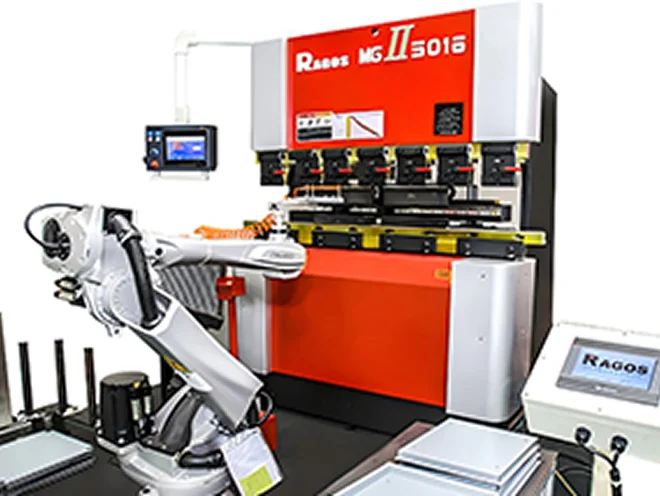
للمشترين الذين يقيمون نقطة الدخول التي تزن 100 طن لتصنيع الفولاذ الإنشائي, الفرامل ضغط CNC بوزن 100 طن من JS RAGOS لثني الصفائح الفولاذية مواصفات الغلاف, خيارات وحدة التحكم, ونطاق المواد لأعمال الصفائح الثقيلة المتوسطة قبل الانتقال إلى فئة الألواح الثقيلة الكاملة. بالإضافة, يمكن للصانعين الذين يحتاجون إلى تحضير أخدود V قبل الثني على صفيحة سميكة مراجعةمجموعة آلات الحفر على شكل V من JS RAGOS لعمق الأخدود قبل الانحناء, خيارات الزوايا, وتوافق التحكم CNC مع سير عمل فرامل الضغط.