

مصنع مكابح الهيدروليكية: كيف تجد, تقييم, واختر الشخص المناسب
تختلف دقة مصنعي فرامل الضغط الهيدروليكية بشكل كبير, نطاق الحمولة, قدرة التحكم CNC, ودعم ما بعد البيع. تستخدم الشركات الرائدة وحدات التحكم المثبتة في الصناعة — Delem DA66S, سيبيليك CT12, وESA S840, لتوفير دقة الانحناء ضمن قابلية تكرار العداد الخلفي ±0.1 مم. عند تقييم الموردين, إعطاء الأولوية لشهادة هندسة الحاسوب, جودة الهيكل الهيكلي, علامة وحدة التحكم التجارية, وإمكانية التكوين المخصص. يتنافس المصنعون الصينيون الآن مباشرة مع البدائل الأوروبية من حيث الدقة مع تقديم مزايا كبيرة في التكلفة, خاصة للمشترين الذين يبحثون عن 40–2,000مكابح هيدروليكية CNC للضغط الكهربائي -طن لتصنيع الصفائح المعدنية.
مقدمة
تقدر قيمة سوق فرامل الصحافة العالمي بأكثر من 621.5 مليون دولار أمريكي في عام 2025 ومن المتوقع أن تصل إلى دولار أمريكي واحد.07 مليارات بحلول عام 2035 — مدفوع تقريبا بالكامل بالطلب المتزايد على فرامل الضغط الهيدروليكية CNC عبر السيارات, الفضاء, وتصنيع الصفائح المعدنية الصناعية. ومع ذلك، بالنسبة لمعظم مديري المشتريات ومهندسي المصانع, إيجاد الشيء الصحيحمصنع فرامل المكبس الهيدروليكي يعد من أقل القرارات توجيها في عملية الحصول على المعدات بأكملها. تتنافس عشرات الشركات المصنعة في جميع أنحاء الصين, أوروبا, اليابان, وأمريكا الشمالية — كل منها له نطاقات حمولة مختلفة, أنظمة التحكم, مواصفات الدقة, وقدرات الدعم.
يحدد هذا الدليل بالضبط ما الذي يميز موردي فرامل الضغط الهيدروليكية الموثوقين عن المزودين الخطرة, أسماء الشركات المصنعة التي تستحق التقييم الجاد, ويعطيك قائمة تحقق عملية قبل الشراء لتستخدمها قبل توقيع أي طلب شراء.
ما الذي يجعل مصنع فرامل الضغط الهيدروليكي يستحق التقييم?
ليست كل شركات تصنيع فرامل الضغط مصممة بنفس الطريقة. الاسم المميز لا يعني تلقائيا أن الجهاز سيلبي متطلبات دقة الإنتاج الخاصة بك — والمورد الصيني ليس أقل تلقائيا من المورد الأوروبي. قبل أن تصنف أي مصنع مصنع لمكابح ضغط هيدروليكية, قم بتقييمها وفقا لخمسة معايير أساسية.
مدى الحمولة وطول الانحناء
الحمولة هي أهم مواصفات عند مطابقة الآلة مع متطلبات الإنتاج الخاصة بك. يقدم المصنعون الموثوقون مجموعة واسعة — عادة من40 طنا مقابل 2,000الكثير — مع توفر تكوينات مخصصة للتطبيقات الصناعية الثقيلة. المادة التي تعمل بها تحدد مباشرة الحمولة التي تحتاجها.
كمعيار عملي: يتطلب الفولاذ المقاوم للصدأ حوالي 1.5× من وزن الفولاذ الطري, بينماالألمنيوم يحتاج إلى حوالي 0.5×. المصنع الذي لا يستطيع تقديم دعم حساب الحمولة قبل شرائك هو مصنع يجب أن تكون حذرا منه.
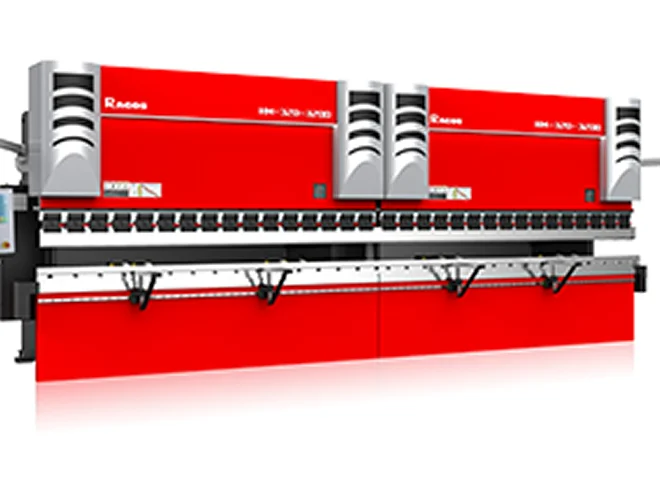
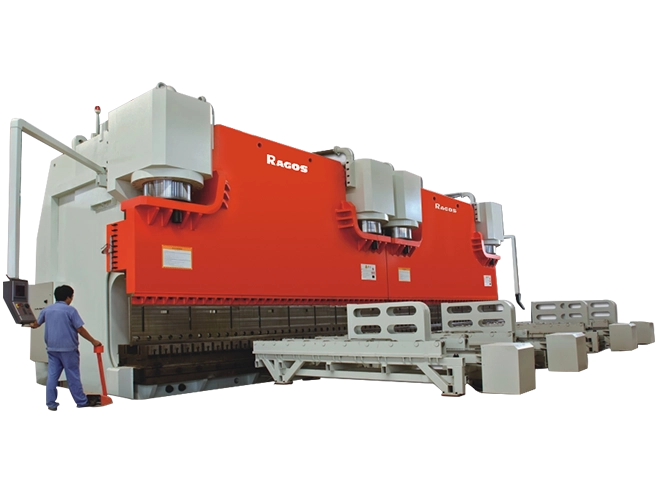
طول الانحناء مهم بنفس القدر. تتراوح الآلات القياسية من 1,600 مم إلى 6,000 هممم. إذا كان إنتاجك يتضمن ألواح هيكلية كبيرة أو صفائح بناء سفن, اسأل عما إذا كانت الشركة المصنعة تدعم تكوينات فرامل الضغط المزدوجة — وهي آلتان متزامنان لثني قطع العمل الطويلة جدا كوحدة واحدة.
وحدات التحكم CNC: لماذا العلامة التجارية وراء الفرامل مهمة
وحدة التحكم CNC هي عقل فرامل الضغط الهيدروليكية — وعلامة هذا الوحدة ستحدد قدرة البرمجة في جهازك, توفر قطع الغيار, والوصول إلى الدعم طويل الأمد. العلامات التجارية الثلاث المثبتة دوليا للتحكم هي:
- دلم DA53Tx / DA66S (هولندا): المعيار الصناعي لفرامل CNC الهيدروليكية متوسطة إلى عالية المدى; يتضمن DA66S محاكاة ثلاثية الأبعاد دون اتصال وتصحيح زاوية في الوقت الحقيقي
- سيبيليك CT12 (سويسرا): معروف ببرمجة الشاشة اللمسية الرسومية وتحسين تسلسل الانحناء
- وكالة الفضاء الأوروبية S840 (إيطاليا): شائع في تكوينات الترادم والتحكم في مقياس الخلف متعدد المحاور
أحيانا يقوم المصنعون الاقتصاديون بتزويد الآلات بوحدات تحكم غير معروفة أو خاصة لتقليل التكلفة. هذا يخلق مخاطرة صيانة طويلة الأمد — إذا اختفت علامة وحدة التحكم التجارية أو افتقرت إلى الدعم الإقليمي, تصبح آلتك بأكملها عبئا. تأكد دائما من موديل وحدة التحكم قبل الشراء, وتحقق من وجود دعم فني إقليمي في بلدك.
من هم أبرز الشركات المصنعة لمكابح الهيدروليكية?
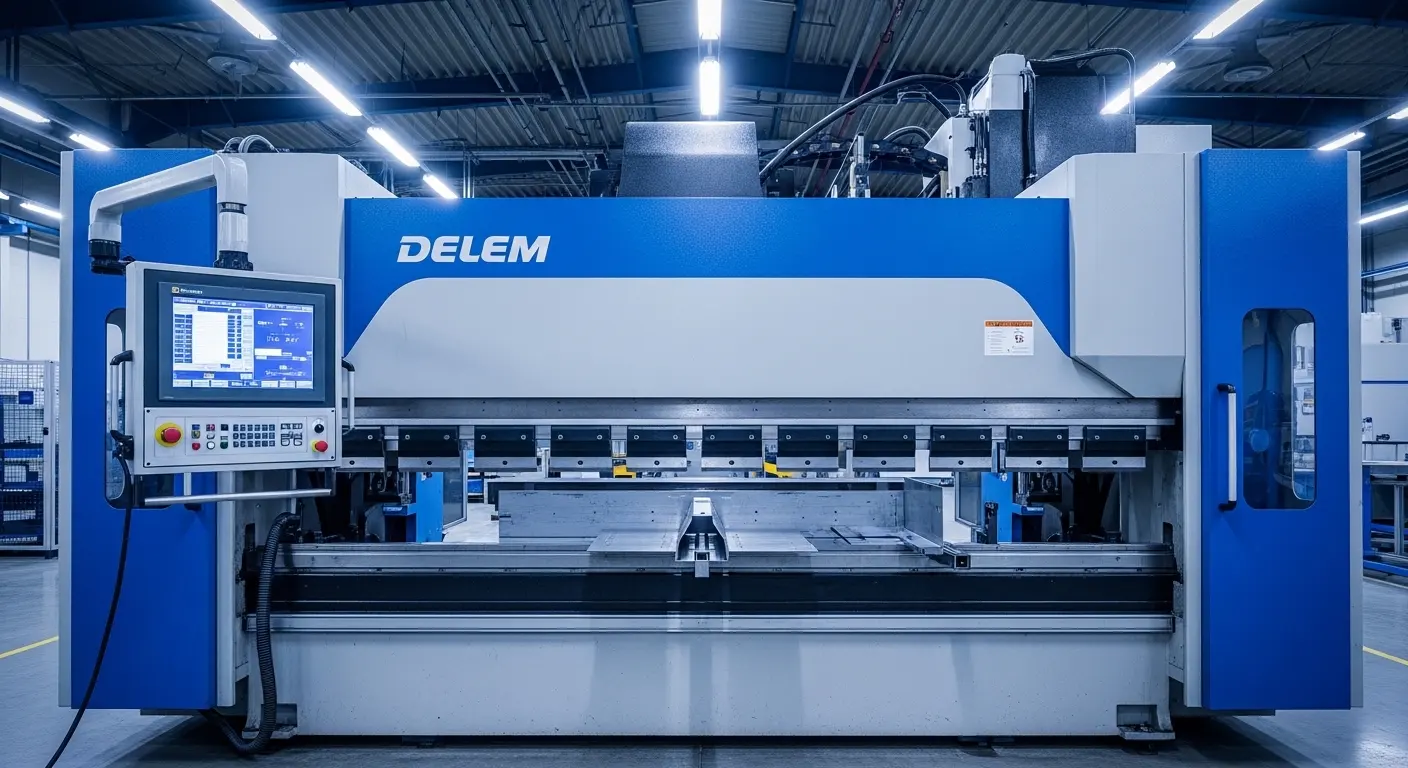
سوق فرامل المكابح الهيدروليكية عالمي حقا. فهم المشهد التنافسي — حسب الجغرافيا, التموضع, والقدرة — تتيح لك التحرك بسرعة أكبر, قرار المورد الأكثر وعيا.
المصنعون الأوروبيون وأمريكيون الشماليون
هذه الشركات المصنعة تفرض سعرا مرتفعا, عادة ما تبرر ذلك بالتساميحات فائقة الدقة, أنظمة البرمجيات المملوكة, وشبكات خدمات إقليمية قوية.
| الشركة المصنعة | بلد | نطاق الحمولة | تحكم CNC | تموضع السوق |
|---|---|---|---|---|
| أمادا | اليابان | 30–3,000 لهجه | Amnc 4ie | الأتمتة المميزة, الخدمة العالمية |
| ترامب | ألمانيا | 20–1,000 لهجه | TruBend الخاص | دقة فائقة, تكلفة الاستحواذ العالية |
| بيسترونيك | سويسرا | 40–2,000 لهجه | باي فيجن / بايسوفت | التركيز على الأتمتة, الانحناء المركب |
| LVD | بلجيكا | 40–1,600 طن | كادمان-ب | مرن, النطاق الأوروبي المتوسط إلى العالي |
| أكوربريس | كندا/الولايات المتحدة الأمريكية | 44–3,000 لهجه | جزئيا, ذلك | الطائرات الثقيلة, السوق الأمريكية الشمالية |
| سينسيناتي | الولايات المتحدة الأمريكية | 44–2,000 لهجه | ديلم DA66S | علامة تجارية راسخة في أمريكا الشمالية |
عادة ما تكلف فرامل الضغط الهيدروليكية CNC متوسطة المستوى في أوروبا€40,000–€150,000, بينما تتراوح الآلات الأمريكية الشمالية من50 دولار,000 حتى 200 دولار,000+ اعتمادا على المواصفات.
مصنعو مكابح الهيدروليكية الصينية
لقد تقدمت الشركات المصنعة الصينية بشكل كبير في منحنى الجودة خلال العقد الماضي, خصوصا تلك التي تستخدم وحدات تحكم دولية (جزئيا, سيبيليك, ذلك) وإطارات ملحومة مخففة من الإجهاد مصممة بتحليل العناصر المحدودة.
| الشركة المصنعة | المقاطعة | نطاق الحمولة | تحكم CNC | التموضع |
|---|---|---|---|---|
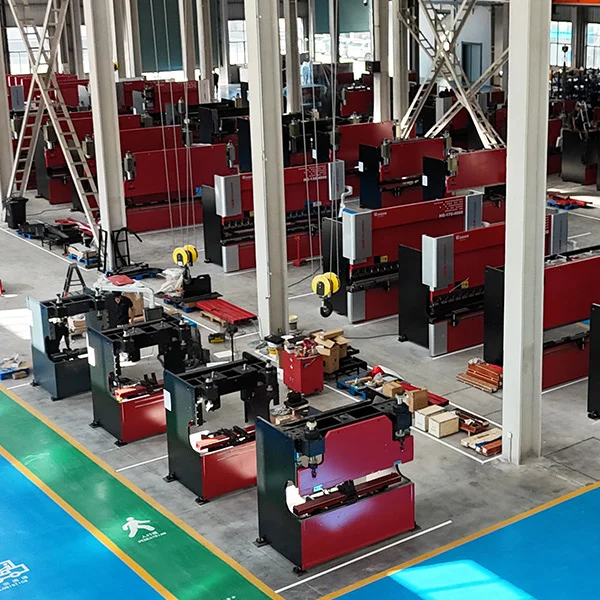
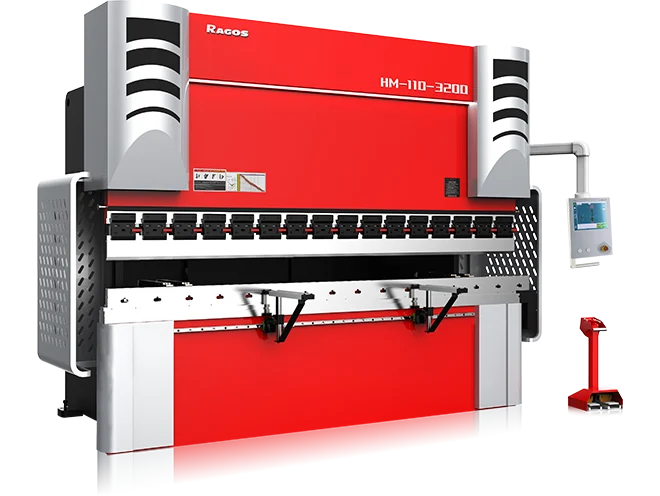
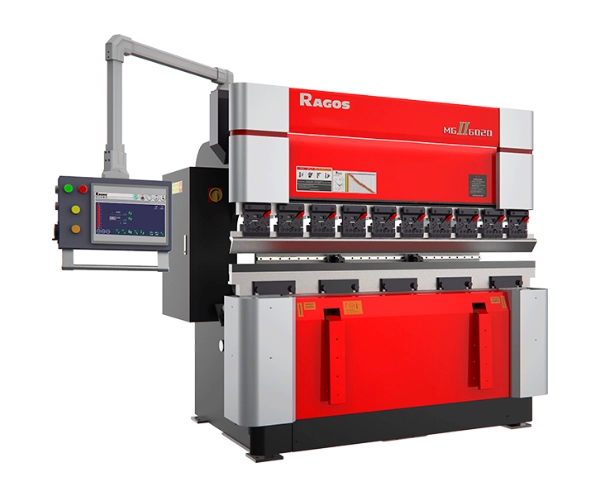
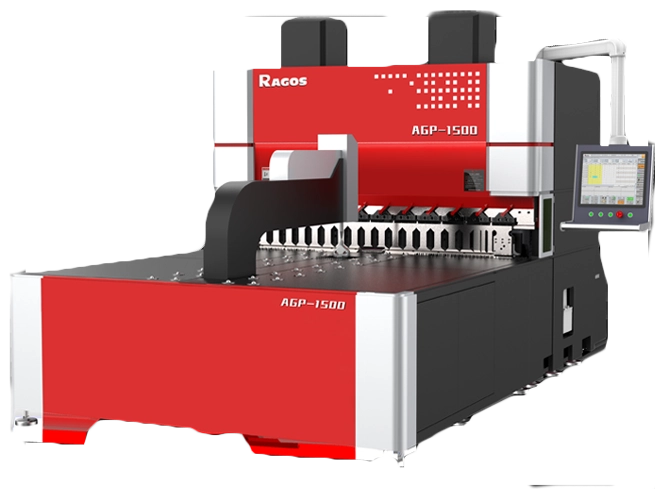
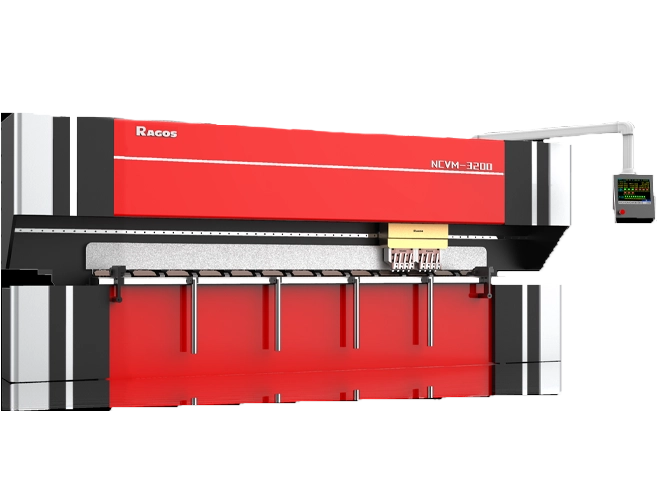
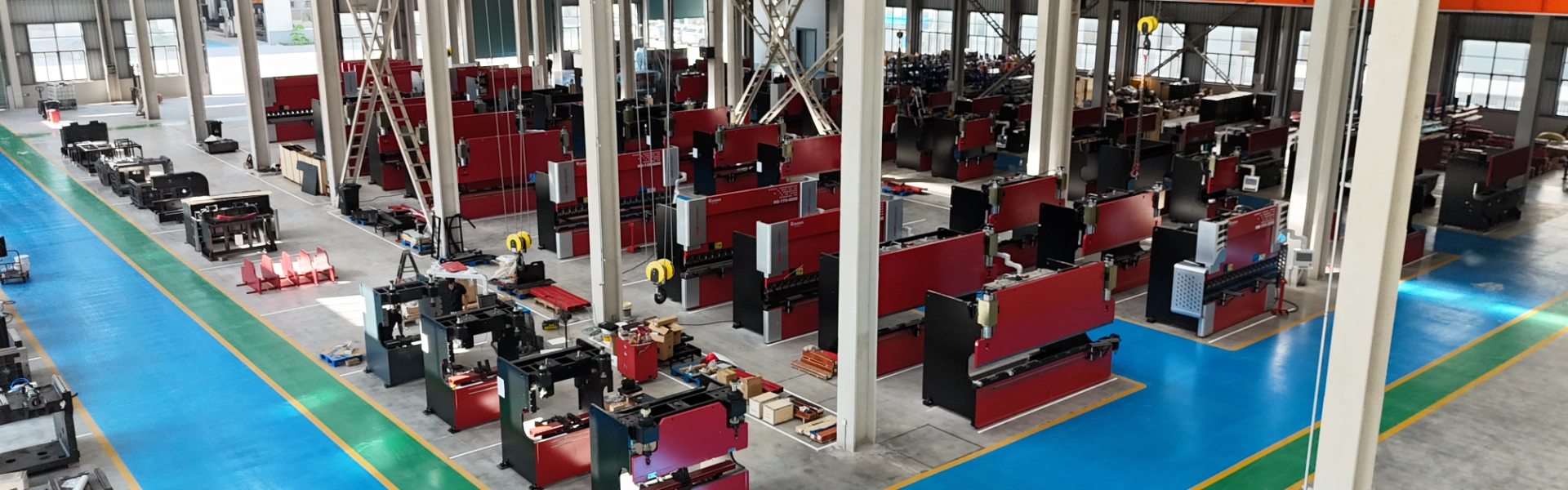
| شبيبة راغوس | جيانغسو | 40–2,000النغمة | ديلم DA66S, سيبيليك, وكالة الفضاء الأوروبية S840 | الانحناء الدقيق CNC, التصدير العالمي, 14 سنة من التصنيع |
| أداة ياوي للآلات | جيانغسو | 40–2,500 طن | ديلم DA66S | شركة مدرجة; مدى قوي بين 80–160 طن |
| هارسل | أنهوي | 40–1,600 طن | جزئيا, E21 | الوصول إلى القيمة; مجموعة واسعة من الطرازات |
| أداة ADH | أنهوي | 40–1,000 لهجه | جزئيا, ذلك | المصدر العالمي; مزيج الليزر والضغط |
| آلات جينكيو | ووشي | 80–6,000النغمة | جزئيا | تخصص ثقيل وطويل جدا |
أسعار فرامل الضغط الهيدروليكي CNC الصينية أكثر تنافسية بشكل ملحوظ: عادة ما تتراوح أسعار النماذج التي تزن 40–125 طن من 16 دولارا,500–35 دولار,000, ونماذج تزن 160–300 طن من 26 دولارا,800–51 دولار,500. للمشترين الباحثين عن جهاز عالي الدقة دون تكلفة شراء تصل إلى ستة أرقام, تمثل الشركات المصنعة الصينية — وخاصة تلك الحاصلة على شهادات تصدير أوروبية — القيمة الأكثر جاذبية في السوق الحالي.
تقلصت فجوة الجودة مع الشركات الأوروبية بشكل كبير — خاصة بالنسبة للمصنعين الذين استثمروا في شراكات دولية مع المراقبين, R&البنية التحتية D, وشهادة CE للامتثال العالمي للتصدير.
تتصدر منطقة آسيا والمحيط الهادئ الطلب العالمي على فرامل الضغط الهيدروليكي, مع كون الصين في الوقت نفسه أكبر منتج وأكبر مستهلك لهذه الآلات في العالم. هذا الحجم من الإنتاج المحلي خلق طبقة من المصنعين الصينيين الذين يحققون الآن معايير الاستيراد الأوروبية التي تتوافق جودة جودة بينها. الفرق الرئيسي لم يعد في القدرة — بل في الدعم بعد البيع والوصول إلى المدى الأكبر لدى المشتري.
السوق فرامل المكبس الهيدروليكي وقدرت قيمتها بحوالي 1.2 مليار دولار أمريكي عالميا في عام 2024, المتوقع أن يصل السعر إلى 2 دولار أمريكي.0 مليار بحلول عام 2033 بمعدل نمو سنوي مركب بنسبة 6.2٪. الشركات المصنعة الصينية تستحوذ على حصة غير متناسبة من هذا النمو — ليس من خلال التنافس فقط على السعر, بل بعرض السيطرة التي يسيطر عليها ديلم, آلات معتمدة من CE بسعر لا تستطيع المصانع الأوروبية مجاراته.
للمشترين الذين يقومون بتقييم الموردين الصينيين, ثلاثة شهادات غير قابلة للتفاوض:
- علامة CE — يؤكد الامتثال لتوجيهات السلامة والأداء في الاتحاد الأوروبي
- جزئيا, سيبيليك, أو تضمين وحدة تحكم ESA — يؤكد التوافق مع المعايير الدولية, ليست أنظمة مملوكة
- موثق المصنع R&استثمار D — يفصل بين المصنعين الجادين وبائعي السلع
شبيبة راغوس, على سبيل المثال, تعمل من جيانغسو منذ عام 2011, يعيد استثمار أكثر من 10٪ من الإيرادات السنوية في R&D, ويصدر الأجهزة المزودة بوحدات تحكم Delem DA66S وCybelec إلى عملاء في جميع أنحاء أوروبا, جنوب شرق آسيا, والشرق الأوسط — شهادات تظهر أن الشركة المصنعة تعمل بمعايير دولية, ليست مستويات جودة منزلية فقط.
كيف تقيم مصنع مكابح الهيدروليكية قبل الشراء?
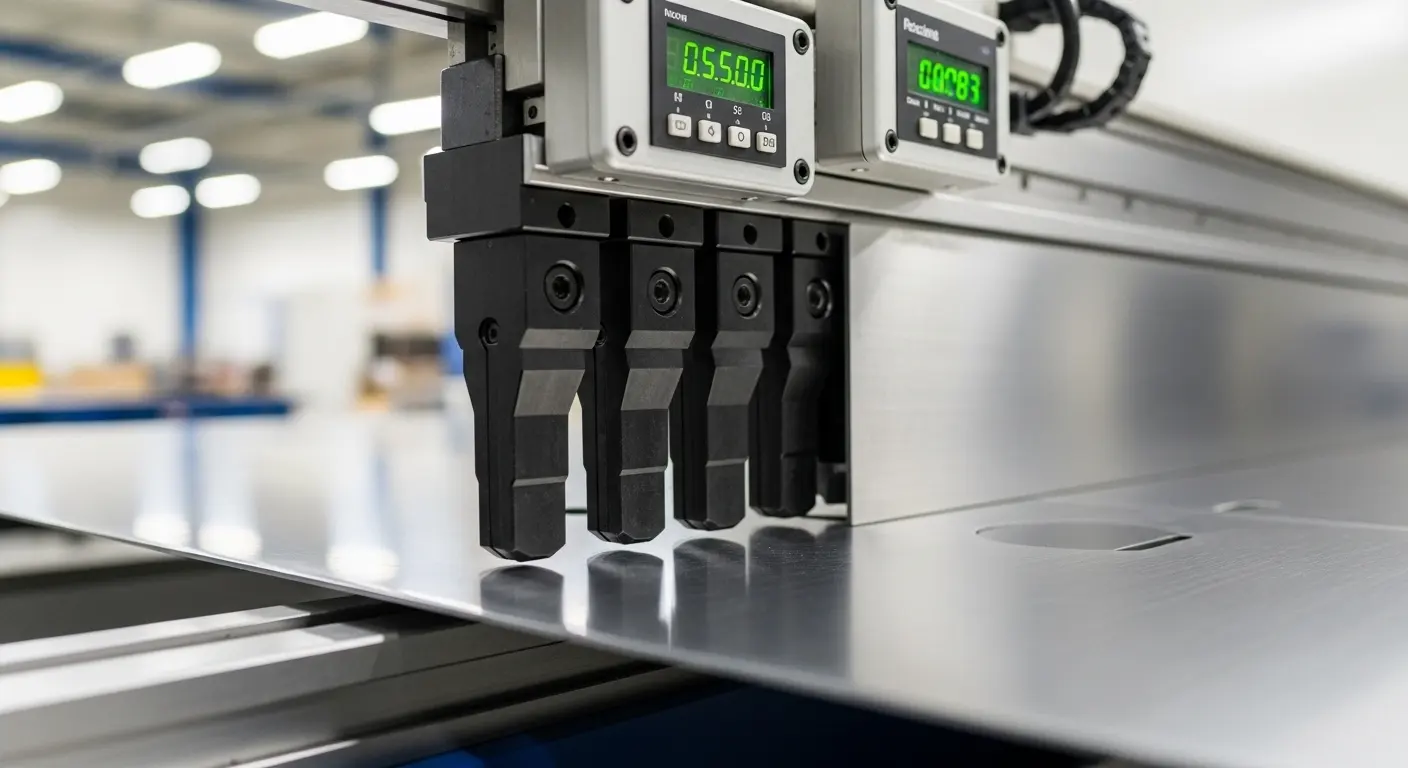
اختيار الشركة المصنعة هو مجرد الخطوة الأولى. التقييم المنظم قبل الشراء يحمي استثمارك ويمنع المفاجآت المكلفة بعد التسليم. استخدم هذه القائمة مع كل مورد تفكر فيه بجدية.
قائمة التحقق من تقييم ما قبل الشراء
- طلب وثائق شهادة التعليم المستمر — تأكد من أن الجهاز يحمل علامة CE صالحة وتحقق من الامتثال معEN 12622:2009 A1:2013, المعيار الأوروبي للسلامة لمكابح الضغط الهيدروليكية. يحدد هذا المعيار متطلبات السلامة الفنية للتصميم, التصنيع, وتوريد مكابح الهيدروليكية للعمل على المعدن البارد.
- اطلب تقارير اختبار دقة الانحناء — تحقق فرامل الضغط الهيدروليكية CNC القياسية دقة تحديد الموقع داخل±0.1–0.2 مم ودقة زاوية الانحناء تقريبا±0.5° في ظروف الورش العادية. يمكن لأنظمة مقياس السيرفو عالي الدقة تحقيق قابلية التكرار ل≤ ±0.02 مم. طلب بيانات اختبار موثقة, ليست تأكيدات لفظية.
- تأكد من نموذج وحدة التحكم CNC وتوفر الدعم الإقليمي — اطلب نموذج وحدة التحكم بالضبط (مثلا., ديلم DA66S, سيبيليك CT12, وكالة الفضاء الأوروبية S840). ثم تحقق من توفر قطع غيار وفنيين مدربين في منطقتك. الجهاز الذي يحتوي على وحدة تحكم غير مدعومة في بلدك يعتبر مسؤولية صيانة منذ اليوم الأول.
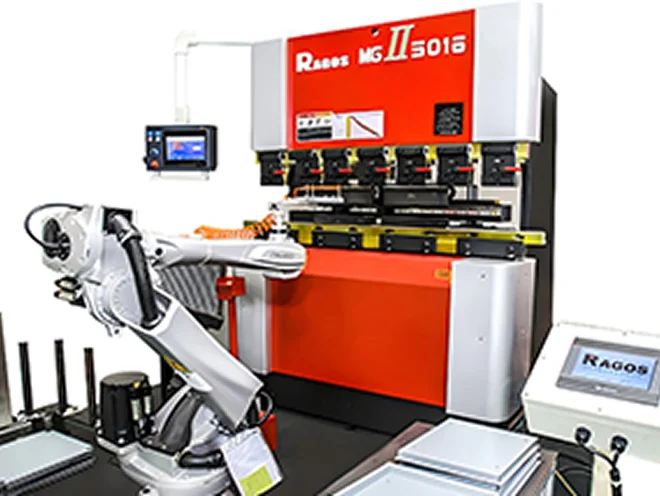
- تحقق من قدرة التخصيص — اسأل عما إذا كان بإمكان الشركة المصنعة تكوين حمولة مخصصة, طول الانحناء, وخيارات الأتمتة (التحميل الآلي, أنظمة المقياس الخلفي الأوتوماتيكي, تكوين التانديم). المصنعون الذين لديهم فرق هندسية داخلية يتعاملون مع الطلبات المخصصة بشكل أكثر موثوقية بكثير من الموزعين النقيين.
- افحص بناء الإطار وعلاج تخفيف الإجهاد — إطار فرامل هيدروليكي عالي الجودة يستخدم هيكلا فولاذيا ملحوما ثقيلا, تخفيف الضغط الحراري بعد اللحام, وأسطح تثبيت دقيقة. اسأل تحديدا عما إذا كان المصنع يستخدم تحليل العناصر المحدودة (قبيح) للتحقق من صحة التصميم الإنشائي.
- توضيح شروط الضمان وتغطية خدمات ما بعد البيع — تأكيد فترة الضمان (المعيار الصناعي هو من 12 إلى 24 شهرا), ما الذي يغطيه (المكونات الكهربائية, الأختام الهيدروليكية, المتحكم), وما إذا كان الدعم التشخيصي عن بعد والخدمة في الموقع متاحين في بلدك.
- طلب المراجع أو دراسات حالة للتطبيق — اطلب أمثلة موثقة من العملاء في مجالك الخاص. المصنع الذي قام بتسليم الآلات إلى مصنعي الأجهزة الطبية أو الطيران يعمل بمعايير جودة مختلفة عن تلك التي تخدم ورش العمل العامة فقط.
ما هي الصناعات التي تستخدم مصنعي فرامل الضغط الهيدروليكية أكثر?
تعد فرامل الضغط الهيدروليكي الحل الأساسي لثني الصفائح المعدنية عبر مجموعة واسعة من الصناعات التصنيعية — كل منها بدقة مميزة, حموله, ومتطلبات التكوين.
- تصنيع السيارات — مكونات الهيكل, الأقواس, لوحات الجسم; يتطلب تكرارا عاليا وأوقات دورة سريعة
- تصنيع الطيران والفضاء — الألواح الإنشائية, عناصر الإطار; يتطلب تسامح زوايا ضيقة (غالبا ما يكون ±0.1°) وقابلية تتبع التصنيف
- التكييف والتهوية والتهوية — مجاري الهواء, ألواح التغليف; إنتاج بكميات كبيرة مع متطلبات دقة متوسطة
- تصنيع الخزائن الكهربائية — رفوف الخوادم, لوحات التحكم, مرفقات; دقة العداد الخلفي حاسمة لأبعاد الحافة المتسقة
- تصنيع الأجهزة الطبية — الحوافز الدقيقة, حوامل المعدات الجراحية; يتطلب آلات متوافقة مع البيئة النظيفة وتسامحات بدرجة ISO
- البناء والبناء المعياري — ملفات الفولاذ الهيكلية, عناصر السقف; طول الانحناء الكبير والحمولة العالية ضروريان
- الأثاث والأعمال المعدنية المعمارية — الألواح الزخرفية, تركيبات الفولاذ المقاوم للصدأ; جودة السطح وثبات الزاوية هما الأولوية
تخدم أجهزة JS RAGOS جميع هذه القطاعات السبعة, مع أجهزة مهيأة خصيصا لمتطلبات الدقة وسرعة النقل لكل تطبيق.
ما هي الاتجاهات التي تشكل تصنيع مكابح الضغط الهيدروليكي في الفترة 2025–2026?
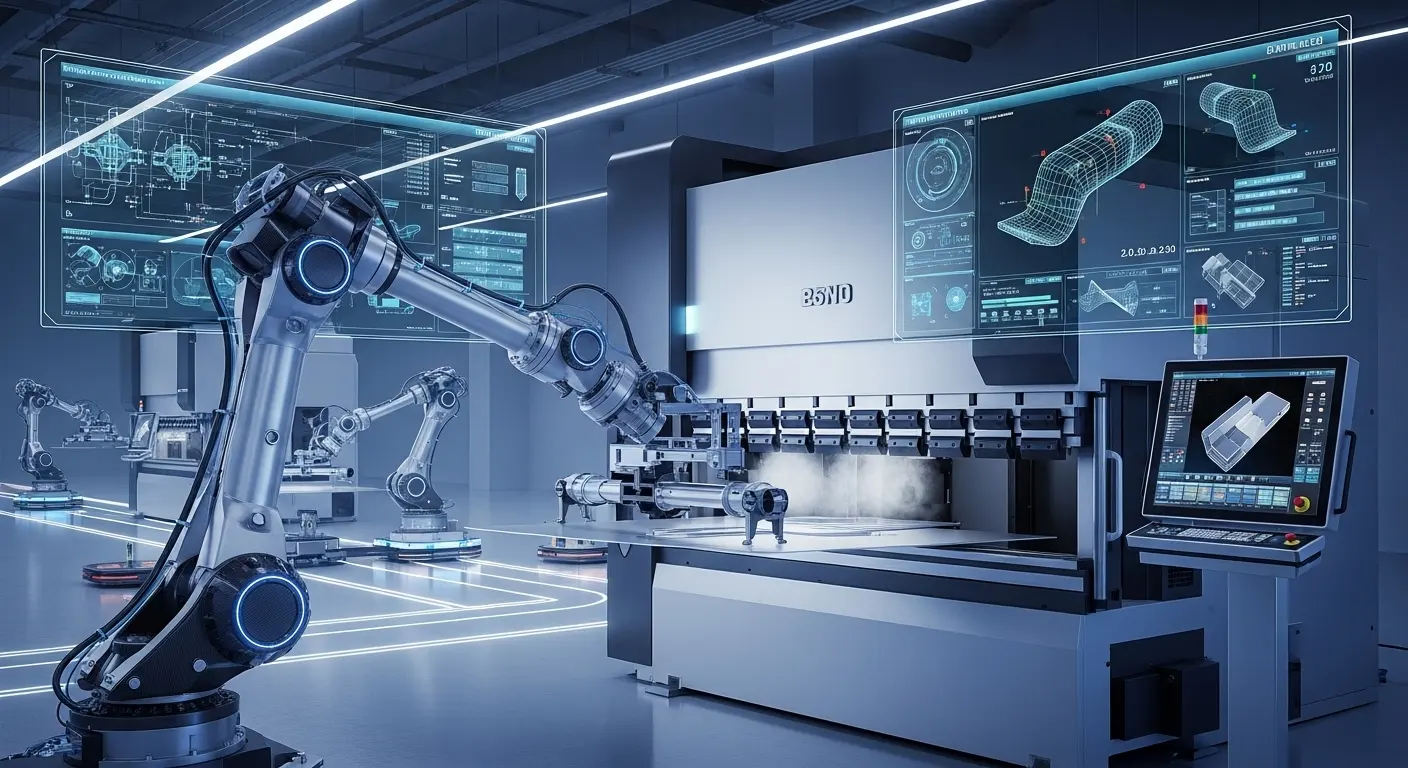
قطاع فرامل الضغط الهيدروليكي يمر بفترة تطور تكنولوجي ملموس — والمصنعون الذين يستثمرون في هذه التطورات الآن هم من سيكونون الأسهل في العمل بعد خمس سنوات من اليوم.
أنظمة السيرفو-هيدروليكية الهجينة يستبدل محركات الهيدروليكية النقية في الأجهزة متوسطة المستوى, مما يوفر توفيرا في الطاقة بنسبة 30–50٪ من خلال تفعيل الضغط الهيدروليكي فقط أثناء ضربات الانحناء النشطة, ليس بشكل مستمر. وهذا يقلل من تكاليف التشغيل وتوليد حرارة النفط خلال فترات الإنتاج الطويلة.
تصحيح الزاوية في الوقت الحقيقي بمساعدة الذكاء الاصطناعي أصبح معيارا في أنظمة CNC الفاخرة. تقيس الحساسات زاوية الانحناء الفعلية في منتصف الشوط، ويقوم المتحكم بإجراء تصحيحات مغلقة في الوقت الفعلي — مما يلغي تخمين تعويض النوابض التي كانت تتطلب مشغلين مهرة سابقا.
البرمجة والمحاكاة ثلاثية الأبعاد غير المتصلة بالإنترنت — التي أصبحت الآن قياسية في أجهزة Delem DA66S — تتيح للمهندسين برمجة تسلسلات معقدة متعددة الانحناءات من أرضية الورشة, محاكاة التصادمات المحتملة قبل تنفيذ المهمة الفعلية, وتقلل بشكل كبير من وقت الإعداد وخردة المواد.
تكوينات فرامل الضغط المزدوجة — فراملان هيدروليكيتان متزامنان كآلة واحدة — تزداد الطلب على مجال الطيران, بناء السفن, وتطبيقات الفولاذ الهيكلي التي تتطلب أطوال انحناء تتجاوز 6,000 هممم.
من المتوقع أن ينمو سوق فرامل الضغط بمعدل نمو سنوي مركب يتراوح بين 4.7–5.6٪ حتى عام 2029–2035, مدفوع بشكل رئيسي باعتماد مكابح الضغط CNC في الأسواق الصناعية الناشئة. المصنعون الذين دمجوا بالفعل محاكاة Delem DA66S ثلاثية الأبعاد ومحركات هجينة سيرفو-هيدروليكية هم في أفضل موقع لخدمة هذا الطلب المتزايد.
الأسئلة المتكررة
من هم أفضل مصنعي فرامل الضغط الهيدروليكية في العالم?
تشمل الشركات المصنعة العالمية الرائدة AMADA (اليابان), ترامب (ألمانيا), بيسترونيك (سويسرا), LVD (بلجيكا), أكوربريس (كندا), وسينسيناتي (الولايات المتحدة الأمريكية) في المستوى الغربي. بين المصنعين الصينيين, شبيبة راغوس, ياوي, هارسل, وADH معروفتان على نطاق واسع بفرامل الضغط الهيدروليكية CNC الدقيقة مع أنظمة تحكم دولية وشهادة تصدير CE.
ما الفرق بين فرامل الهيدروليكية وفرامل CNC?
"هيدروليكي" يصف آلية الدفع — أسطوانتين هيدروليكتين تطبقان قوة انحناء. "التصنيع باستخدام الحاسب الآلي" يصف نظام التحكم — التحكم الرقمي الحاسوبي في حركة الذاكرة العشوائية, تموضع المقياس الخلفي, وتصحيح الزاوية. تقريبا جميع فرامل الضغط الهيدروليكية الحديثة تحتوي أيضا على تحكمات CNC, صناعة "فرامل الضغط الهيدروليكية CNC" المعيار السائد في الصناعة. المصطلحان ليسا متناقضين — فهما يصفان مكونات مختلفة لنفس الآلة.
كم تكلف فرامل الضغط الهيدروليكي من الشركة المصنعة?
تتراوح أسعار فرامل الضغط الهيدروليكي CNC المصنعة في الصين من حوالي 16 دولارا,500–35 دولار,000 لنماذج تزن 40–125 طن, و26 دولارا,800–51 دولار,500 لآلات تزن 160–300 طن. العلامات التجارية الأوروبية (ترامب, بيسترونيك) أمر 100 دولار,000–500 دولار,000اعتمادا على مستوى الأتمتة. عادة ما تكلف الآلات في أمريكا الشمالية 50 دولارا,000–200 دولار,000. السعر يعتمد على الحمولة, طول الانحناء, علامة وحدة التحكم التجارية, وخيارات الأتمتة.
هل مصنعو مكابح الضغط الهيدروليكية الصينية موثوقون?
نعم — عندما يتم التحقق منها بشكل صحيح. يستخدم المصنعون الصينيون الموثوقون وحدات تحكم مثبتة دوليا (جزئيا, سيبيليك, ذلك), الامتثال لمتطلبات العلامة CE بموجب EN 12622, واستخدام إطارات ملحومة مخففة من الإجهاد تم التحقق منها بواسطة تحليل العناصر المحدودة. طلب توثيق التعليم المستمر, تقارير اختبار الدقة, وتأكيد نموذج وحدة التحكم قبل الشراء. تختلف جودة الجودة بين الشركات الصينية بشكل كبير — تقييم المؤهلات, ليس فقط برايس.
ما هي الشهادات التي يجب أن يحصل عليها مصنع فرامل الضغط الهيدروليكي?
على الأقل: علامة CE (مطلوب للامتثال للسوق الأوروبية) والامتثال معEN 12622:2009 A1:2013 — المعيار الأوروبي الذي يحدد متطلبات السلامة لمكابح الضغط الهيدروليكية. الاضافه الي ذلك, ابحث عنISO 9001 شهادة إدارة الجودة والامتثال لسلامة الكهرباء IEC/EN. يجب على الشركات المصنعة التي تصدر عالميا تقديم وثائق كاملة عن الجهاز, بما في ذلك مخططات الأسلاك, المخططات الهيدروليكية, وكتيبات وحدة التحكم.
ما هي كمية الفرامل الهيدروليكية التي أحتاجها?
طابق الحمولة مع نوع المادة وأقصى طول للانحناء. يتطلب الفولاذ المقاوم للصدأ حوالي 1.5× حمولة من الفولاذ الطري; الألمنيوم يحتاج إلى حوالي 0.5×. معظم ورش التصنيع العامة تعمل بفعالية مع آلات تزن 80–200 طن. عادة ما تتطلب الأعمال الهيكلية في مجال الطيران والسيارات ما بين 300 إلى 600 طن. قد يتطلب بناء السفن والتصنيع الهيكلي الثقيل 1,000–2,000الكثير. اطلب حساب حمولة رسمية من الشركة المصنعة بناء على هندسة الأجزاء الفعلية.
كيف أجد شركة تصنيع مكابح هيدروليكية للمكبس المخصص?
ابحث تحديدا عن الشركات المصنعة التي لديها هندسة داخلية وR&فرق D — وليس الموزعين. اطلب توثيقا لقدرات التخصيص الخاصة بهم: حمولة مخصصة, طول الانحناء غير القياسي, تكامل الأتمتة (التحميل الآلي, تزامن التانديم, أنظمة المقياس الخلفي الأوتوماتيكي). تأكد من أن الشركة المصنعة قامت ببناء تكوينات مخصصة مماثلة للعملاء في مجالك, واطلب جهات اتصال مرجعية يمكنك التحقق منها بشكل مستقل.
جاهز لتقييم مصنع مكابح الهيدروليكية مباشرة?
قامت JS RAGOS بتصنيع مكابح هيدروليكية CNC من جيانغسو, الصين منذ 2011 — مع آلات مبنية حولهاديلم DA66S, سيبيليك CT12, ووكالة الفضاء الأوروبية S840 وحدات تحكم وصدرت إلى عملاء التصنيع في جميع أنحاء أوروبا, جنوب شرق آسيا, والشرق الأوسط. يدعم فريقنا الهندسي تكوينات الحمولة المخصصة, إعدادات الترادم, وتكامل خطوط الانحناء الآلي لصناعة الطيران, السيارات, التكييف, الطب, وتطبيقات البناء المعياري.
إذا كنت تقوم حاليا بتقييم مصنعي مكابح الهيدروليكية, يمكن لفريقنا إعداد اقتراح مواصفات تفصيلي بناء على المادة الدقيقة التي تفضلها, حموله, ومتطلبات طول الانحناء — بدون أي التزام.