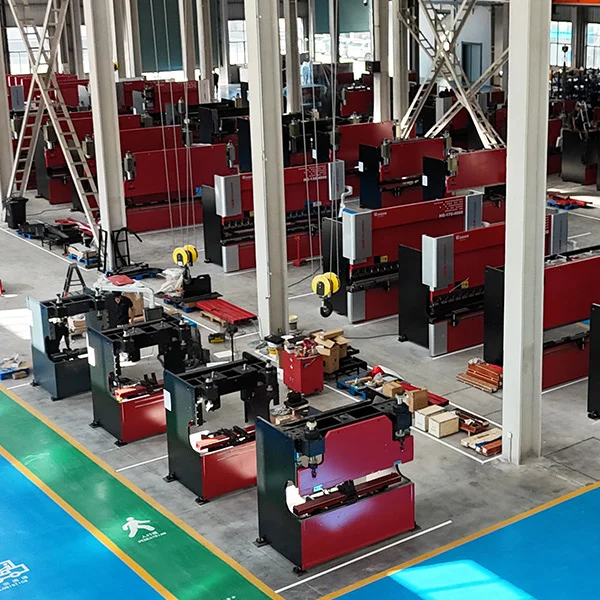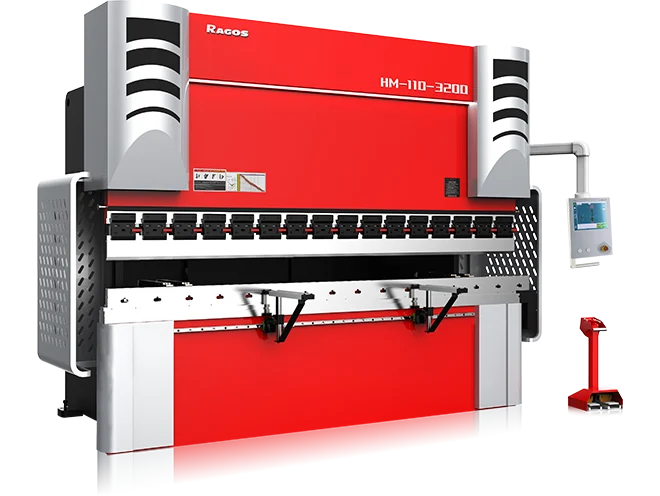
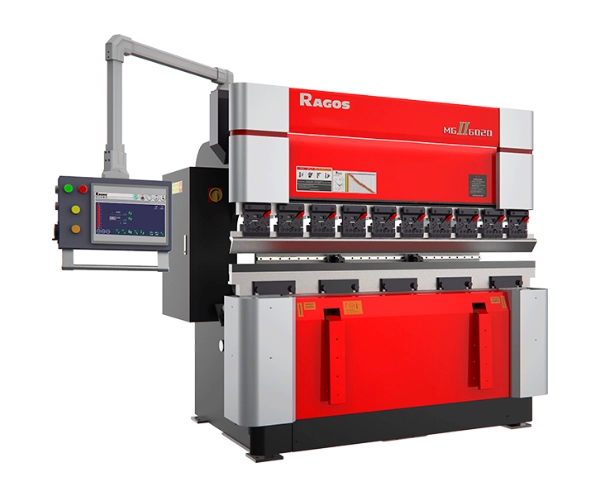
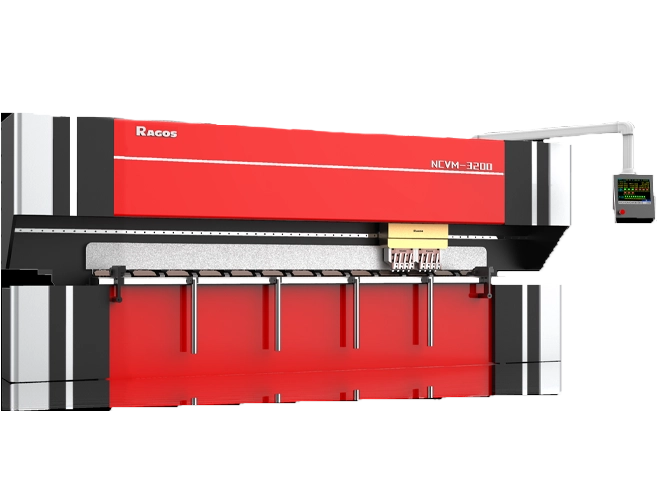


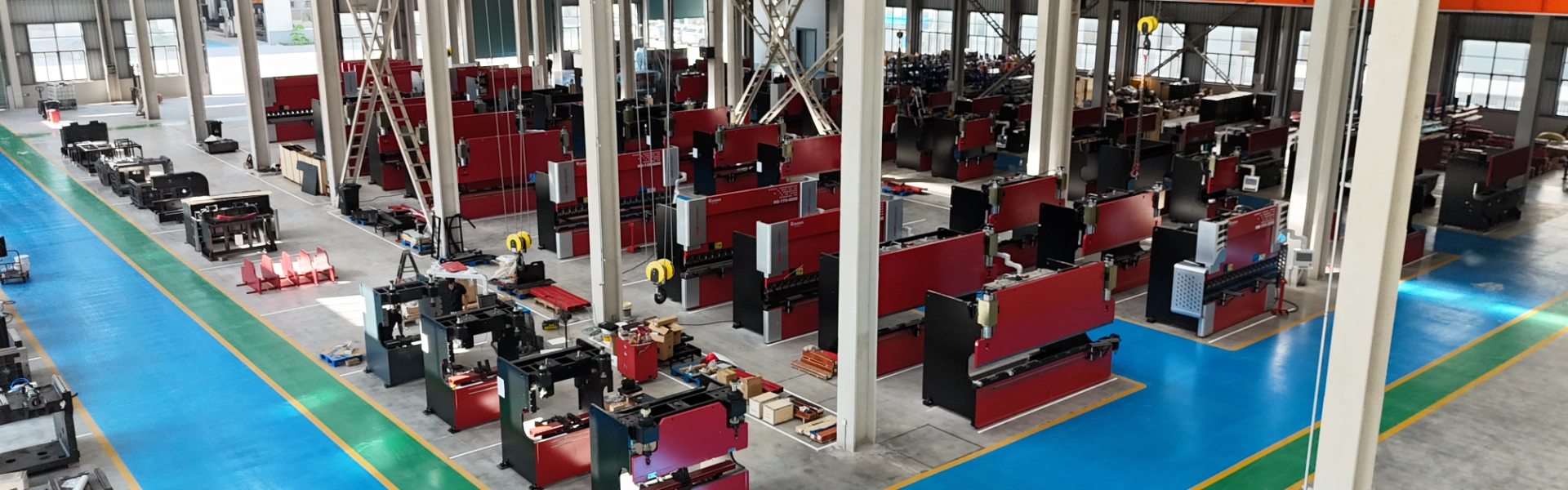
فرامل ضغط الحمولة الكبيرة: الدليل الكامل للاختيار للثني الثقيل
فرامل الضغط ذات الحمولة الكبيرة ليست مجرد نسخة أكبر من آلة قياسية — بل هي فئة مختلفة تماما من المعدات, تم بناؤها لسماكة المواد, أطوال الانحناء, والقوة تتطلب مكابح الضغط القياسية التي لا تستطيع مكابح الضغط القياسية تحقيقها. يقدم هذا الدليل إطار عمل واضح من أربع فئات لمساعدتك على مطابقة الجهاز المناسب لتطبيقك المحدد. بحلول النهاية, ستعرف أي فئة حمولة تناسب عملك, ما المواصفات التي يجب تقييمها, وما هو التكوين الذي يجب طلبه من المورد الخاص بك.
ما الذي يعتبر حمولة كبيرة في فرامل الضغط
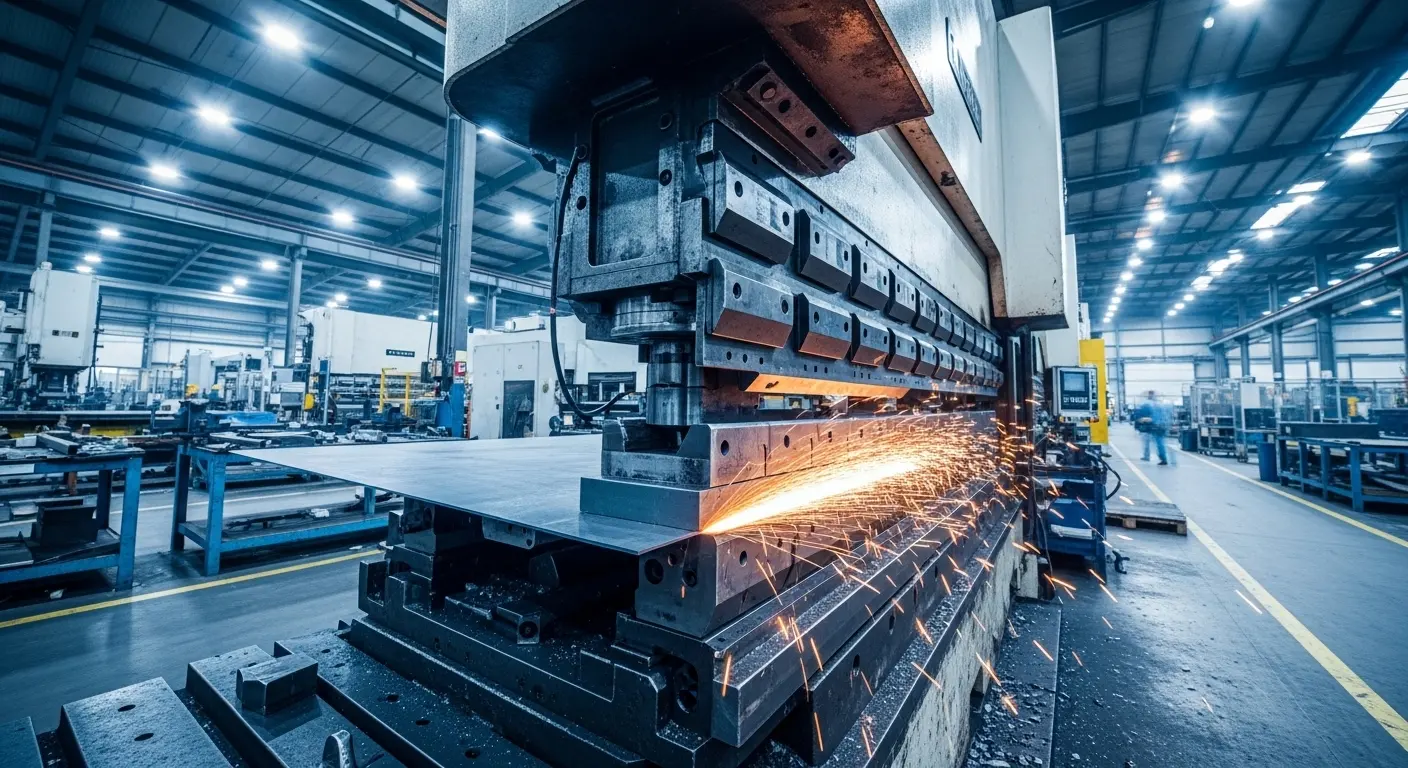
تبدأ مكابح الضغط ذات الحمولة الكبيرة من 300 طن. تعمل معظم ورش التصنيع في نطاق 100–400 طن للأعمال اليومية, لكن 300 تي يمثل العتبة التي يمثل فيها تصميم الآلة, هندسة الإطارات, ومتطلبات نظام CNC تتغير بشكل كبير.
لتسهيل الاختيار, يمكن تقسيم الصناعة إلى أربع فئات عملية:
| فصل | نطاق الحمولة | سمك اللوحة النموذجي | الاستخدام الأساسي |
|---|---|---|---|
| ثقيل | 300–499T | 6–12 مم | الفولاذ الهيكلي, مكونات البناء |
| سوبر هيفي | 500–799T | 12–20 مم | أوعية الضغط, الآلات الثقيلة |
| ألترا هيفي | 800–1,499T | 20–35 مم | أبراج الرياح, الهياكل الصناعية الكبيرة |
| ميغا | 1,500T | 35 مم | بناء السفن, تكوينات التانديم |
لا يوجد مقال منافس يعرف هذه الفئات بهذه الطريقة — ومعظم المشترين ينتهي بهم الأمر إلى المبالغة في التحديد أو التقليل لأن لا أحد رسم هذه الخطوط بوضوح من قبل.
الصناعات التي تعتمد على فرامل الضغط ذات الحمولة الكبيرة
تخدم فرامل الضغط ذات الحمولة الكبيرة الصناعات التي يتجاوز فيها سمك المادة وحجم الأجزاء حدود المعدات القياسية. يبلغ السوق العالمي لآلات فرامل الضغط 800.2 مليون دولار أمريكي في عام 2026 ومن المتوقع أن يصل إلى دولار واحد,211.2 مليون بحلول عام 2033 — النمو مدفوع تقريبا بالكامل بالطلب الصناعي الثقيل.
القطاعات الرئيسية ومتطلبات الحمولة الخاصة بها هي:
- بناء السفن — ألواح الهيكل وألواح الحواجز; عادة من 500 إلى 2,000T+
- طاقة الرياح — حواف الأبراج وحلقات الألواح الأساسية; عادة 800 طن إلى 1,500T
- البناء الثقيل — العوارض الهيكلية, الأعمدة, ومكونات الجسر; عادة من 400 إلى 800 طن
- السكك الحديدية والنقل — هياكل العربات وألواح هيكل السيارة; عادة من 300 إلى 600 طن
- الأوعية الضغطية والبتروكيماويات — أغلفة الأسطوانة ذات الجدران السميكة; عادة 600 تنتا إلى 1,200T
- تصنيع المعدات الثقيلة — أذرع الرافعة, هياكل الحفارات; عادة من 400 إلى 800 طن
لماذا تفشل الآلات القياسية في النجاح
لا يمكن لفرامل الضغط القياسية الحفاظ على صلابة الإطار المطلوبة تحت الأحمال الشديدة المتكررة. على طول السرير الكامل, حتى الآلات ذات السعة المصنفة تنخفض إلى 60–70٪ من الحمولة المعلنة — مما يعني أن آلة قياسية بوزن 250 طن قد توصل فقط 150–175 طنا فعالا عبر منعطف طويل. يتم تصميم الآلات ذات الحمولة الكبيرة بهياكل جانبية معززة, الأدلة الدقيقة للأرضية, وأنظمة التوج النشطة خصيصا للحفاظ على الدقة في هذه الظروف.
تم شرح الفئات الأربع للحمولة
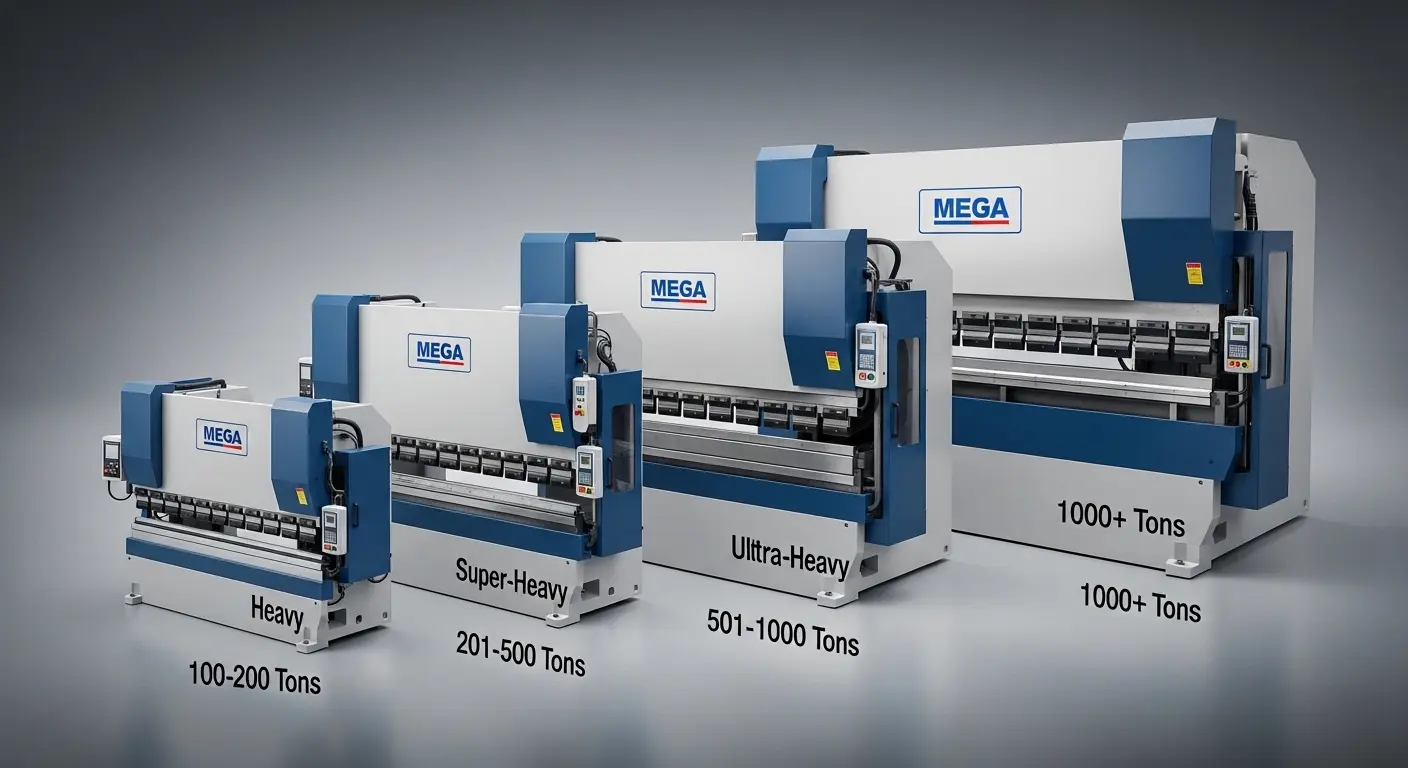
فهم أي فئة تناسب عملك يمنع كل من نقص الاستثمار وزيادة القدرة الاستيعابية. كل فئة تحمل متطلبات تصميم مختلفة للآلات, متطلبات نظام التحكم, ومعايير الأدوات. تتوفر مكابح CNC للضغط من 40 طنا للأعمال الخفيفة وحتى أكثر من 2 طنا,000 أطنان لعمليات الصفائح الثقيلة.
الفئة الثقيلة (300–499T)
تغطي الفئة الثقيلة غالبية ورش تصنيع الفولاذ الهيكلي. تتعامل هذه الآلات مع الفولاذ الطري من 6 إلى 12 مم أو الفولاذ المقاوم للصدأ من 4 إلى 8 مم عند أطوال انحناء تتراوح بين 3 إلى 5 أمتار. وهي نقطة الدخول لمكونات الجسر الفرعية, هياكل الخزائن الثقيلة, وألواح معدات زراعية كبيرة.
يحتاج المشتري في هذه الفئة إلى محرك هيدروليكي أو هجين سيرفو-هيدروليكي. المكابح الكهربائية الكاملة للضغط ليست مجدية تجاريا في هذا النطاق الإجمالي اليوم.
من الفئة الثقيلة جدا إلى الفئة الضخمة (500T وما فوق)
فوق 500 طن, الدفع الهيدروليكي هو المعيار. الآلات في هذا النطاق تبنى على لحامات فولاذية أثقل, شغل فتحات أسطوانات أكبر, وتتطلب التتويج الهيدروليكي النشط للحفاظ على ثبات الزاوية عبر الانحناءات الطويلة.
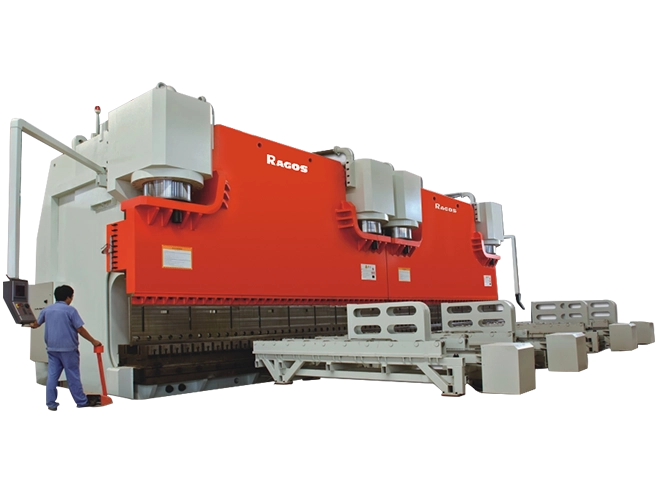
فئة ميغا (1,500T) غالبا ما تتضمن تكوينات متتالية أو متزامنة. A 6,تم تطوير ونشر فرامل CNC مزدوجة بوزن 500 طن / 18 مترا بنجاح لتطبيقات بناء السفن فائقة الحجم — وهي واحدة من أكبر التكوينات في العالم.
جدول مقارنة الفئات
| فصل | حموله | سمك اللوحة | طول السرير | الإعدادات | الأفضل ل |
|---|---|---|---|---|---|
| ثقيل | 300–499T | 6–12 مم | 3–5 أمتار | أغنية منفردة | الفولاذ الهيكلي, البناء |
| سوبر هيفي | 500–799T | 12–20 مم | 4–7 أمتار | أغنية منفردة | أوعية الضغط, الآلات |
| ألترا هيفي | 800–1,499T | 20–35 مم | 6–10 أمتار | سينغل / تانديم | أبراج الرياح, البحر البحري |
| ميغا | 1,500T | 35 مم | 10 أمتار | جنبا الي جنب | بناء السفن, الصفيحة الثقيلة |
أنواع الآلات المستخدمة في ثني الحمولة الكبيرة
ليست كل فرامل الضغط ذات الحمولة الكبيرة تستخدم نفس نظام القيادة. النوع المناسب يعتمد على فئة الحمولة التي لديك, حجم الإنتاج, وتعقيد الأجزاء.
- فرامل ضغط CNC هيدروليكية — النوع السائد فوق 300 طن; يوفر قوة ثابتة عبر طول القاعدة الكامل; مفضل لمحرك 500 طن بسبب موثوقيته المثبتة تحت الحمل الشديد.
- سيرفو-هيدروليكي هجين — متوفر حتى حوالي 400–500 طن; يوفر توفير الطاقة مقارنة بالهيدروليكية الكاملة; مناسب للورش التي تمزج بين الألواح السميكة والمتوسطة
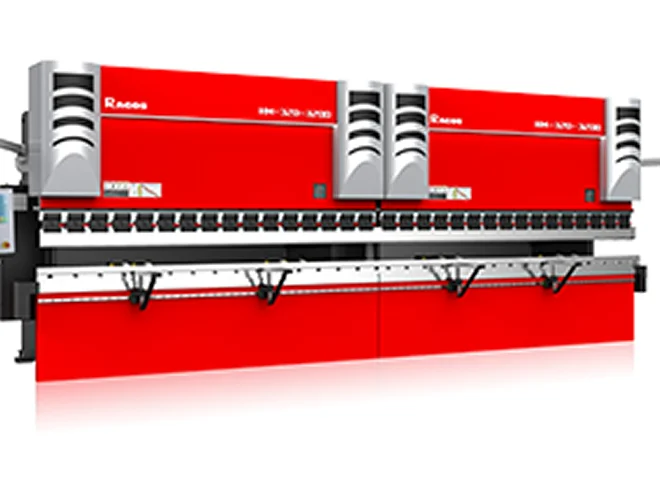
- فرامل الضغط المزدوجة — آلتان متزامنان تعملان بالتوازي; يستخدم عندما لا تستطيع آلة واحدة تغطية طول السرير المطلوب; شائع فوق 8 أمتار
- فرامل كهربائية كاملة — لم تتوفر بعد تجاريا فوق 300 طن في الإنتاج القياسي; محدود التطبيقات الأخف
في فئات السوق 300–500T وما فوق 500 طن, لا تزال فئة القيادة الهيدروليكية هي السائدة.
متى تختار التانديم بدلا من آلة كبيرة واحدة
إعداد الترادم منطقي عندما تتجاوز أطوال الانحناءات 8 أمتار باستمرار, هندسة الأجزاء الخاصة بك تمنع نهج آلة واحدة, أو أن حجم الإنتاج يتطلب ثني عدة مكونات في نفس الوقت. المقابل هو مساحة الأرضية, تعقيد التزامن, والاستثمار الأولي. من خلال تجربتنا في تقييم تكوينات التصنيع الثقيل, المشترون في بناء السفن وطاقة الرياح البحرية يتحركون تقريبا دائما إلى التوازن التزاوي فوق متطلبات الانحناء بارتفاع 6 أمتار — 1 واحد,000جهاز -طن بهذا الطول يتطلب مواصفات هندسة السرير التي لا يستطيع معظم الموردين القياسيين تحقيقها.
المواصفات الرئيسية التي يجب تقييمها قبل الشراء
اختيار فرامل ضغط كبيرة على الحمولة المصنفة فقط هو أكثر الأخطاء شيوعا لدى المشتري. هناك عدة مواصفات مهمة بنفس القدر — وبعضها يؤثر مباشرة على مقدار القوة القابلة للاستخدام التي تحصل عليها فعليا. لتفصيل تفصيلي حسب حجم الجهاز, الدليل سعة فرامل الضغط يغطي المواصفات الأساسية بالكامل.
حساب الحمولة للصفيحة السميكة
الصيغة القياسية لقوة الانحناء في DIN هي:
F=1.54×Rm×S2×LV×1000 كيلو نيوتنF=V×10001.54×Rm×S2×LkN
حيث Rm = قوة الشد (MPa), S = السماكة (هممم), L = طول الانحناء (هممم), V = فتحة على شكل V (هممم).
كمثال عملي: ثني الفولاذ الطري بقطر 20 مم (Rm = 400 ميغاباسكال) في الثالثة,000طول الملم مع فتحة على شكل قالب V 160 مم يعطي حوالي 924 كيلو نيوتن (94 طنا لكل متر × 3 أمتار). أضف المخزن التشغيلي الموصى به بنسبة 30–50٪, وتحتاج إلى جهاز مصنف على الأقل 400 طن لهذا العمل فقط. استخدمحاسبة الحمولة لتشغيل أرقامك الخاصة قبل تحديد.
المواصفات الرئيسية التي يجب التحقق منها بعد الحمولة المصنفة:
- الحمولة القابلة للاستخدام عند طول السرير الكامل — خفض المعدل إلى 60–70٪ من التصنيف عند السرير الكامل
- طول السرير — قياسي 4–14 قدم; أطوال مخصصة مطلوبة فوق ذلك
- طول الضربة والارتفاع المفتوح — حاسم لإزالة تصريح الأدوات الكبيرة
- تصنيف صلابة الإطار — أكثر المواصفة التي تم تجاهلها في الحمولة الكبيرة; الصلابة الثابتة في الإطار تحافظ على الدقة تحت الحمل الشديد
- نظام التتويج — التلوين الهيدروليكي النشط غير قابل للنقاش عند 500 طن
أنظمة التحكم CNC على مكابح الضغط ذات الحمولة الكبيرة
آلة الحمولة الكبيرة بدون نظام CNC المناسب تفقد الكثير من ميزتها الدقة. اختيار نظام التحكم يؤثر بشكل مباشر على تكرار الانحناء, وقت الإعداد, وجاهزية الأتمتة.
- ديلم DA66S — برمجة الشاشة اللمسية ثنائية الأبعاد وثلاثية الأبعاد, 24" شاشة TFT, واجهة ثني وتصحيح المستشعر; النظام المفضل للأعمال المعقدة على الألواح السميكة والآلات من فئة فائقة الثقيلة إلى فائقة الثقيلة
- دلم DA53T — 15" شاشة اللمس, صلبة لإنتاج الفئة الثقيلة القياسية مع تحكم في التاج ودعم صمامات مغلقة/مفتوحة الحلقة
- وكالة الفضاء الأوروبية S840/S850 — حتى 6 محاور, واجهة EtherCAT/CANopen, نظام التشغيل في الوقت الحقيقي; يستخدم في خطوط الإنتاج الآلية للحمولة الثقيلة
للآلات التي تزيد عن 500 طن, يوصى باستخدام حد أدنى للتحكم في مقياس الخلفية ذو 4 محاور. تتطلب برامج الأجزاء المعقدة التي تحتوي على تسلسلات انحناء متعددة مرونة إضافية في المحور لوضع الصفيحة السميكة بدقة بين الانحناءات. الدليل 4 ضد 8 محاور يشرح تكوين المحور بالتفصيل للمشترين الذين يفكرون في الاستثمار في الأتمتة.
كيفية اختيار فرامل الضغط ذات الحمولة الكبيرة المناسبة
اتبع هذا الإطار المكون من ست خطوات للوصول إلى المواصفة الصحيحة:
- احسب أقصى قوة انحناء لديك — استخدم صيغة DIN أعلاه مع أكثر المواد سمكا لديك, أطول منعطف, وفتحة الشريحة الأكثر إحكاما
- أضف مخزن حمولة بنسبة 30–50٪ فوق ذلك الحد الأقصى المحسوب
- طابق نتيجتك مع فئة الحمولة — استخدم جدول الفئة أعلاه لتحديد الثقيل, سوبر هيفي, ألترا هيفي, أو ميغا
- قرر: آلة واحدة أو مزدوجة — إذا كان طول الانحناء يتجاوز بانتظام 8 أمتار, ال Tandem هو الجواب العملي
- اختر نظام CNC الخاص بك — DA66S للهندسة المعقدة; DA53T للإنتاجية; ESA S840 لتكامل الأتمتة
- تحقق من صلابة الإطار ومواصفات خفض القاعدة — اطلب من موردك الحمولة القابلة للاستخدام عند طول السرير الكامل, ليس فقط السعة المقدرة
استنادا إلى تقييمات مشاريع التصنيع الثقيلة, أكبر خطأ يرتكبه المشترون هو تحديد وظيفة اليوم, وليس السنوات الخمس القادمة من القدرة المخططة. الآلة التي تعمل ب 90٪ من الحمولة المصنفة يوميا ستتآكل بشكل أسرع وتحافظ على دقة أقل مع مرور الوقت. شراء فئة واحدة فوق الحد الأقصى لوظيفتك الحالية نادرا ما يكون قرارا سيئا عندما تعمل الآلة لمدة 20 سنة.
استكشفتكوينات فرامل الضغط الثقيلة أوفرامل CNC بوزن 300 طن كنقاط انطلاق لفئة هيفي. لمجموعة منتجات فرامل الضغط CNC الكاملة, النظرة عامة على فرامل الضغط CNC تغطي جميع التكوينات المتاحة.
الأسئلة المتداولة
س1: ما يعتبر حمولة كبيرة لمكابح الضغط?
تعرف فرامل الضغط ذات الحمولة الكبيرة عموما بأنها آلات مصنفة بوزن 300 طن أو أكثر. معظم ورش التصنيع القياسية تعمل في نطاق 100–400 طن, مما جعل 300T نقطة تصميم الآلات, هندسة الإطارات, ومتطلبات CNC تتحول إلى المواصفات الثقيلة. الآلات فوق 1,عادة ما تكون 500T تكوينات مزدوجة تستخدم في بناء السفن والصناعات البحرية.
س2: ما هي الصناعات التي تستخدم مكابح الضغط ذات الحمولة الكبيرة?
الصناعات الأساسية هي بناء السفن, طاقة الرياح, البناء الثقيل, تصنيع أوعية الضغط, معدات السكك الحديدية, وإنتاج الآلات الثقيلة. كل قطاع له متطلبات حمولة مختلفة — وغالبا ما يتطلب بناء السفن 500 إلى 2 طن,000T+, بينما عادة ما تقع أعمال البناء الإنشائي بين 400 طن و800 طن.
س3: ما الفرق بين فرامل الضغط التي تزن 300 طن و500 طن?
آلة تزن 300 طن تتعامل مع ألواح بطول 6–10 مم على أطوال السرير القياسية وتناسب تصنيع الفولاذ الهيكلي. تدخل طائرة تزن 500 طن فئة سوبر هيفي, التعامل مع صفيحة بطول 12–20 مم مع أطوال أسرة أطول, وهي مبنية بهيكل أثقل وأسطوانات هيدروليكية أكبر. تختلف متطلبات نظام CNC ومواصفات الأدوات بشكل كبير بين الفئتين.
س4: هل يمكن لفرامل الضغط ذات الحمولة الكبيرة أيضا التعامل مع صفائح معدنية رقيقة?
من الناحية التقنية نعم, لكنها ليست مثالية. تشغيل آلة 500T بنسبة 5٪ من سعتها يخلق تحديات في حساسية التحكم ويزيد من خطر تآكل القوالب على المواد الرقيقة. للمتاجر التي تستخدم كلا من ألواح سميكة ورقائق رقيقة, النهج القائم على جهازين — واحدة كبيرة وواحدة قياسية — أكثر عملية وفعالية من حيث التكلفة.
س5: ما هو أكبر فرامل ضغط تم بناؤها على الإطلاق؟?
A 6,تم تطوير فرامل CNC مزدوجة بوزن 500 طن / 18 مترا لتطبيقات بناء السفن فائقة الحجم. يمثل هذا التكوين الحد الأعلى لهندسة فرامل الضغط التجارية الحالية ويستخدم لثني ألواح الهيكل والأقسام الهيكلية التي لا يستطيع أي جهاز واحد التعامل معها.
ماذا تفعل بعد ذلك
اختيار فرامل الضغط الكبيرة يعتمد على ثلاثة أمور: فئة الحمولة المناسبة لمادتك وتطبيقك, تكوين آلة يتناسب مع متطلبات طول الانحناء لديك, ونظام CNC يناسب تعقيد الإنتاج لديك. يهيمن الدفع الهيدروليكي فوق 300 طن لسبب وجيه — فالاعتمادية وثبات القوة تحت الحمل الشديد لا يمكن التفاوض عليهما. قبل التواصل مع مورد, احسب القوة المطلوبة, أضف 30–50٪ من النفقات العامة, وحدد ما إذا كان إعداد آلة واحدة أو نظام مزدوج يناسب منشأتك. النطاق فرامل الضغط الثقيلة في JS RAGOS يغطي الفئات من الثقيلة إلى الفائقة مع خيارات تكوين CNC كاملة.