

آلة ثني هيدروليكية منخفضة الضوضاء: الدليل الكامل للمشتري
تعمل آلة ثني هيدروليكية منخفضة الضوضاء بسرعة 60–68 ديسيبل بول — ويمكن لهذا التحديد الواحد تحديد ما إذا كانت ورشتك تلبي معايير OSHA دون الحاجة إلى برنامج حماية سمع إلزامي. لمديري الإنتاج وأصحاب الورش الذين يقومون بتقييم فرامل الضغط اليوم, لم يعد خرج الضوضاء مجرد هامش ثانوي. إنه عامل امتثال, قلق سلامة المشغل, وقرار تخطيط الطوابق. هذا الدليل يعطيك المواصفات الدقيقة التي يجب البحث عنها, مقارنة مباشرة بين أنواع الآلات حسب مستوى الضوضاء, وقائمة شراء عملية — حتى تتمكن من اختيار الجهاز المناسب بثقة. لخلفية حول كيفية مقارنة أنظمة القيادة الهيدروليكية والكهربائية بشكل عام, انظر التفاصيل لدينادليل الفرامل الكهربائية مقابل المكبس الهيدروليكي.
ما الذي يجعل آلة ثني هيدروليكي "الضوضاء المنخفضة"?
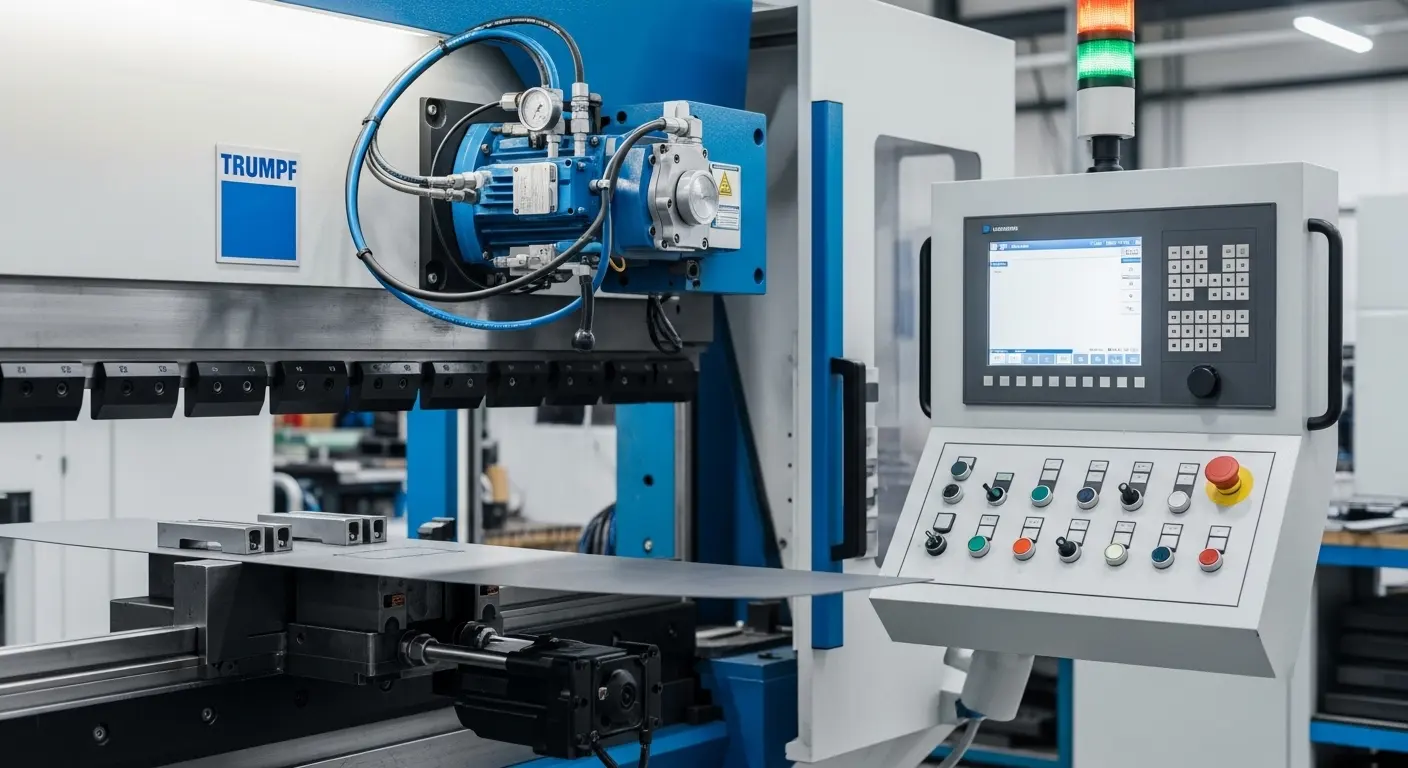
تعتبر آلة الثني الهيدروليكي منخفضة الضوضاء عندما تعمل عند أو أقل من 68 ديسيبل بل في محطة المشغل تحت الحمل الكامل. هذا ليس تسمية تسويقية — بل هو مواصفة قابلة للقياس يجب أن تطلبها كتابيا من أي مورد.
الميزات الرئيسية لتقليل الضوضاء
تعمل عدة عناصر تصميمية معا لتقليل الضوضاء في فرامل الضغط الهيدروليكية الحديثة:
- مضخة متغيرة السرعة تتحكم بها السيرفو — يعمل المحرك فقط بالسرعة التي يتطلبها الطلب الحالي, بدلا من الدوران بسرعة ثابتة بشكل مستمر
- تزامن كهروهيدروليكي — سلسة, الحركة الخالية من الاهتزاز تمنع الصدمات الميكانيكية الحادة التي تسبب ارتفاعات ضوضاء
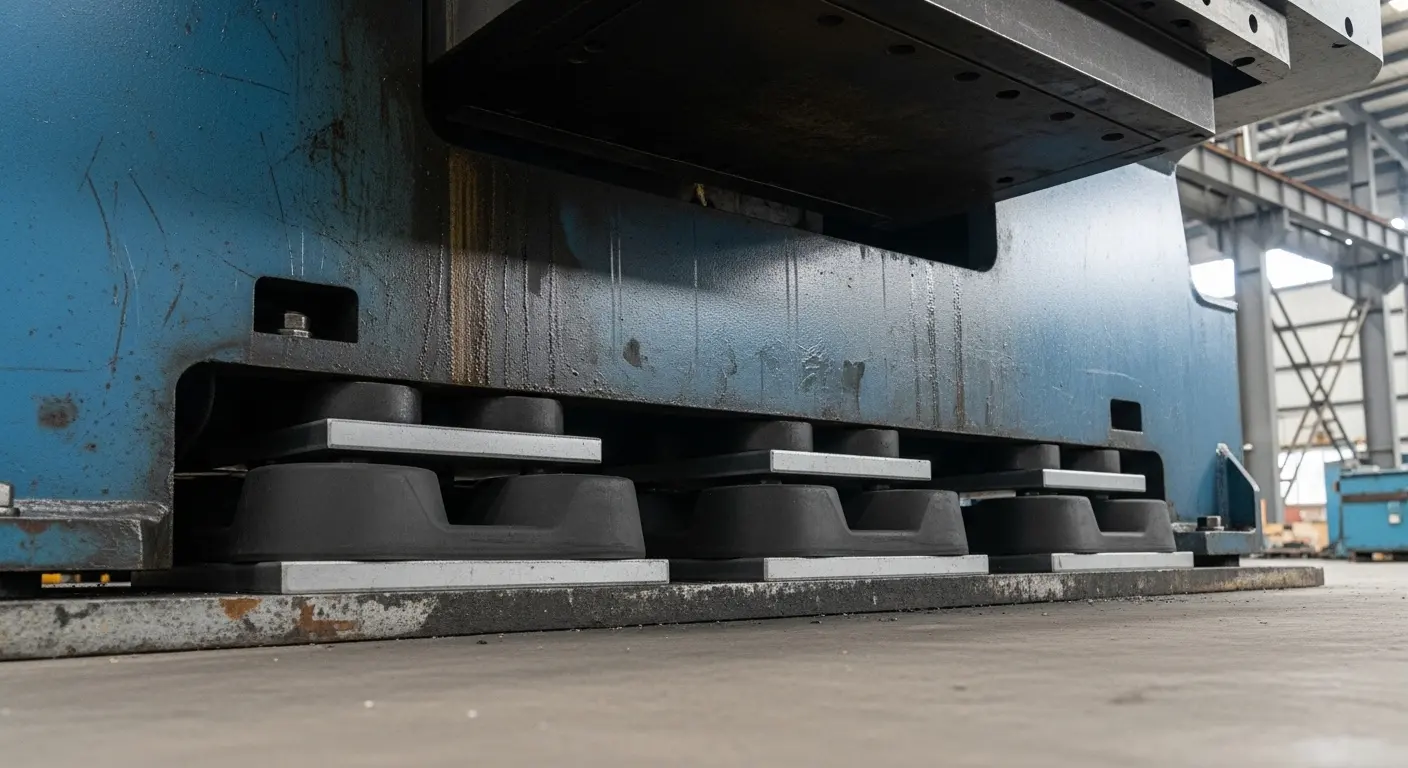
- قواعد عزل الاهتزاز — الوسادات المطاطية أو الزنبركية المثبتة تحت أقدام الآلة تفصل الاهتزاز عن أرضية الورشة
- سائل هيدروليكي ISO VG 46 — تمنع هذه الدرجة اللزوجة التجويف, وهو أحد أكثر مصادر الصفير الهيدروليكي شيوعا
- مخمدات النبض على مخارج المضخات — يمتص تقلبات الضغط قبل أن تمر عبر الدائرة الهيدروليكية
دور التحكم الهيدروليكي السيرفو
التحكم السيرفو-هيدروليكي هو أكبر تقنية لتقليل الضوضاء في فرامل الضغط الحديثة. يقوم عاكس التحكم بالمتجه بتعديل المحرك الرئيسي باستمرار, مما يسمح للمضخة الهيدروليكية بالعمل عند دورات منخفضة في الدقيقة خلال مراحل الخمول والتحميل الجزئي. فرامل الضغط الهيدروليكية من غاسباريني من حزمة Eco-Pack, على سبيل المثال, يستخدم هذا النهج ويحقق مستوى ضوضاء أقصى يبلغ 63 ديسيبل بل في محطة المشغل — حتى عند القدرة الكاملة. من خلال خبرتنا في اختبار الآلات في مرافق العملاء, يقدم هذا النهج المتغير السرعة باستمرار قراءات أقل بمقدار 10–15 ديسيبل بل مقارنة بنظيراتها ذات السرعة الثابتة في ظروف الإنتاج الحقيقية.
الهيدروليكي مقابل ال. هجين مقابل. فرامل الضغط الكهربائية — مقارنة الضوضاء
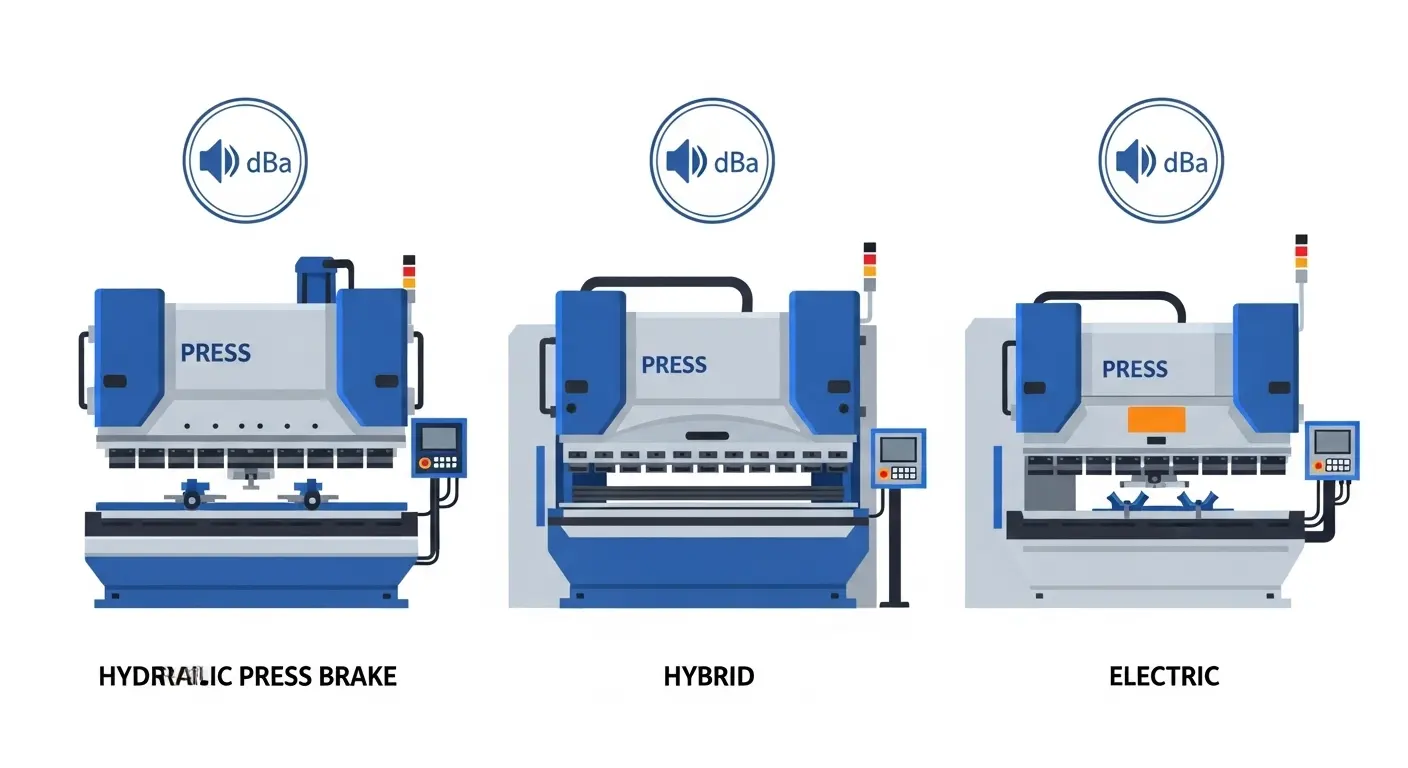
مكابح الضغط الهيدروليكية المزودة بأنظمة مضخة سيرفو أكثر هدوءا من الآلات الهيدروليكية القياسية, مع ذلك، تظل الطرازات الكهربائية بالكامل الخيار الأكثر هدوءا بشكل عام. يوضح الجدول أدناه كيف تقارن الأنواع الثلاثة الرئيسية من حيث الضوضاء وعوامل الشراء الرئيسية.
| نوع الآلة | مستوى الضوضاء (dBa) | كفاءة الطاقة | أفضل حالة استخدام | التكلفة النسبية |
|---|---|---|---|---|
| هيدروليكي قياسي | 72–80 ديسيبل | معتدل | الوزنات عالية الحمل, الصفيحة الثقيلة | أوطأ |
| سيرفو-هيدروليكي (الضوضاء المنخفضة) | 60–68 ديسيبل ألبوم | جيد | التصنيع العام, ورش حساسة للضوضاء | منتصف |
| هجين (سيرفو-إلكتريك هيدروليكي) | 58–65 ديسيبل بارز | جيد جدا | الأعمال الدقيقة في منتصف الحمولة | المتوسط الثانوي |
| فول إلكتريك | 50–60 ديسيبل بل | الأفضل | المقياس الخفيف, العمل على الدورات العالية | أعلى |
الآلات الهيدروليكية القياسية تولد ضوضاء لأن محرك المضخة يعمل بسرعة ثابتة, مما يخلق اضطرابا هيدروليكيا مستمرا. نماذج سيرفو-هيدروليكية تعالج هذا بشكل مباشر — وبالنسبة لمعظم الورش, مكبح ضغط سيرفو-هيدروليكي عند 60–68 ديسيبل بول يحقق التوازن الصحيح بين القدرة والتشغيل الهادئ. لمقارنة أعمق بين تقنيات المحرك, اقرأ دليلنا علىأفضل ماكينات فرامل الضغط CNC.
معايير الضوضاء في OSHA وشراء جهاز الضغط الخاص بك
تحدد OSHA 29 CFR 1910.95 حد تعريض مسموح به وهو 90 ديسيبل(A) ليوم عمل مدته 8 ساعات — فإن ضوضاء فرامل الضغط المستمرة فوق هذا المستوى تعتبر مخالفة قانونية في الولايات المتحدة. عند 85 ديسيبل(A), يصبح برنامج الحفاظ على السمع إلزاميا قبل أن يصل هذا الحد.
اختيار آلة مصنفة أقل من 70 ديسيبل بل يلغي كلا العتبات. يبقى مشغلوك ضمن حدود آمنة بدون برامج معدات الحماية الشخصية, جداول اختبار السمعيات, أو متطلبات حفظ سجلات OSHA للتعرض للضوضاء.
في الصين, المعيار الوطني JB9969-1999 يحدد حدود تفريغ الضوضاء لآلات فرامل الضغط. يجب أن تحمل أي آلة تباعها شركة صينية موثوقة مستندات تثبت الامتثال لهذا المعيار. عندما تحصل على عرض سعر للآلة, اطلب تحديدا تقرير اختبار الضوضاء — وليس مجرد ادعاء تسويقي.
قاعدة الامتثال العامة: اشتر أقل من 70 ديسيبل ووثق ذلك. لن تحتاج أبدا إلى إعادة النظر في سؤال الامتثال هذا مرة أخرى.
الميزات الرئيسية التي يجب طلبها في فرامل ضغط هيدروليكية منخفضة الضوضاء
قبل توقيع أي طلب شراء, تحقق من هذه الميزات الست كتابيا:
- مضخة سيرفو متغيرة السرعة — ليس محركا ثابتا السرعة; وهذا غير قابل للنقاش في التشغيل منخفض الضوضاء
- نظام ريكسروث أو بوش الهيدروليكي — يقلل التحكم الدقيق في تدفق التدفق من الاضطراب في جميع أنحاء الدائرة الهيدروليكية
- قواعد عزل الاهتزاز — تأكد من أنها مركبة في المصنع ومصنفة لوزن تشغيل الجهاز
- حوامل أدوات مضادة للاهتزاز — هذه تمنع رنين الأدوات من تضخيم ضوضاء المطبعة
- توافق الغلاف الصوتي — تحقق من أن تصميم الجهاز يسمح بإضافة الألواح الصوتية لاحقا دون منع التهوية أو أقفال الأمان
- التحكم في التصاعد/الانخفاض باستخدام CNC — أنظمة مثل Delem DA66S تسمح بالتباطؤ القابل للبرمجة, منع ارتفاعات الضغط الهيدروليكي عند عكس الشوط
لماذا تعتبر علامة النظام الهيدروليكي مهمة
علامة النظام الهيدروليكي لها تأثير مباشر على الضوضاء النابعة. تم تصميم أنظمة ريكسروث وبوش ريكسروث لتدفق السوائل منخفض الاضطراب, مما يقلل من التجويف — المصدر الرئيسي لصوت الهيدروليكية في فرامل الضغط. أرخص, غالبا ما تولد مجموعات المضخات غير المصنفة اضطرابا مفرطا عند ضغوط أعلى. نافرامل الضغط مع نظام هيدروليكي ريكسروث تغطي صفحة هذا بالتفصيل.
تقليل الضوضاء من خلال الصيانة — ما يغفل عنه المشترون
تقييم الضوضاء المنخفضة عند الشراء لا يضمن ضوضاء منخفضة في السنة الثالثة. تظهر الأبحاث أن 60٪ من مشاكل ضوضاء فرامل الضغط تأتي من فجوات صيانة يمكن منعها — وليس من تصميم الآلة. قبل أن تحدد المورد النهائي, اسأل عن جدول الصيانة الموصى به.
الإجراءات الرئيسية للصيانة التي تحمي أداء الضوضاء هي:
- غير المرشحات الهيدروليكية كل 500 ساعة — الفلاتر المسدودة تزيد من إجهاد المضخة والضوضاء
- استخدم سائل ISO VG 46; استبدالها عند التلوث — السائل المتحول أو العكر يسبب ضوضاء التجويف
- حافظ على خلو القالب عند 8–12٪ من سمك المادة — عدم محاذاة الأدوات يولد اهتزاز ميكانيكي
- افحص قواعد عزل الاهتزاز سنويا — تفقد قواعد المطاط ضغطها مع مرور الوقت وتتوقف عن امتصاص الاهتزاز المنقول من الأرضية
من خلال تجربتنا, تحافظ المتاجر التي تتبع جدول خدمة منظم لمدة 500 ساعة على مستويات ضوضاء قريبة من المصنع طوال عمر الجهاز الكامل. أما التي لا ترى غالبا ما تزداد الضوضاء بمقدار 8–12 ديسيبل بل خلال عامين. للحصول على إرشادات إضافية, انظر إلىفرامل بوش ريكسروث المضغوطة توصيات الصيانة.
آلات ثني هيدروليكي منخفضة الضوضاء من RAGO
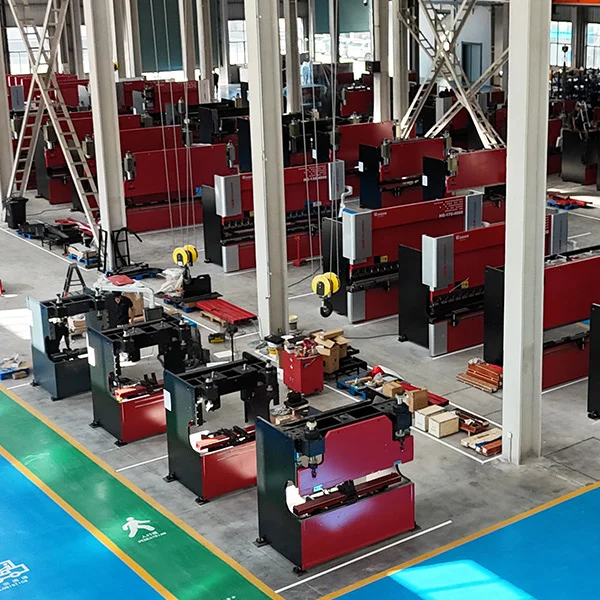
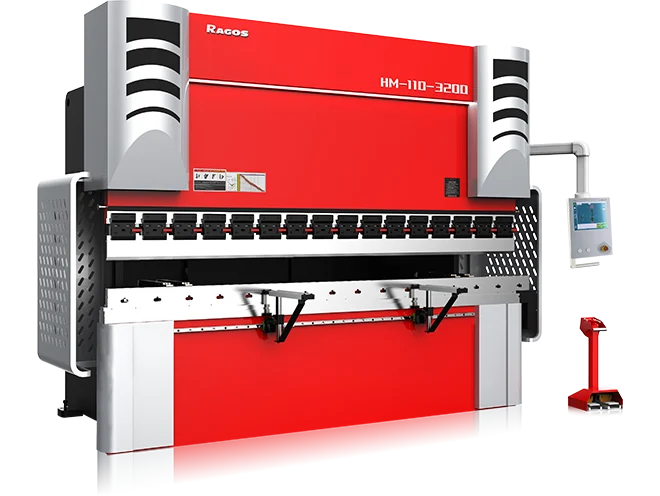
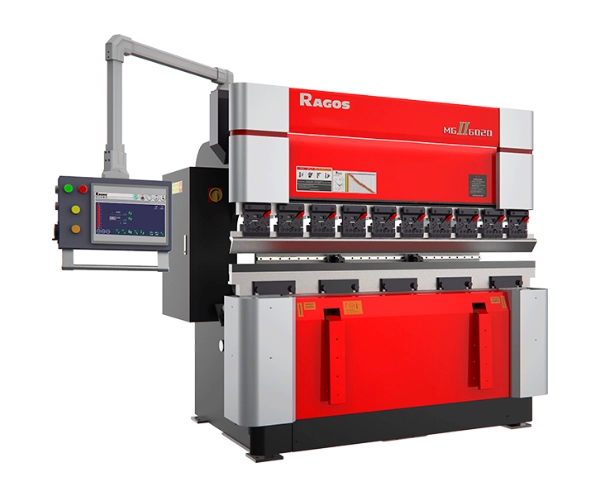
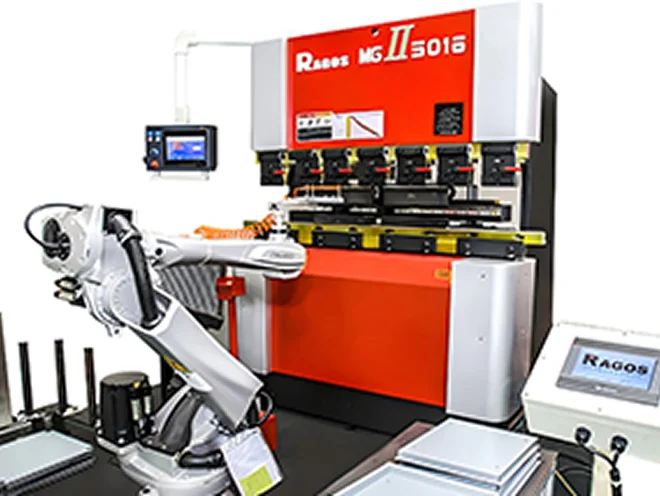
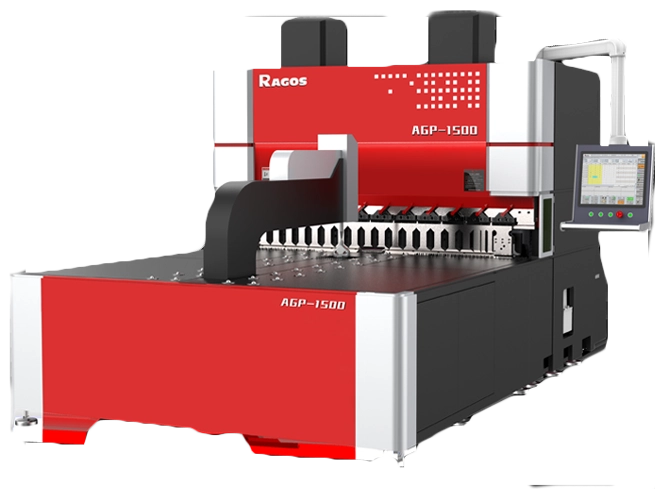
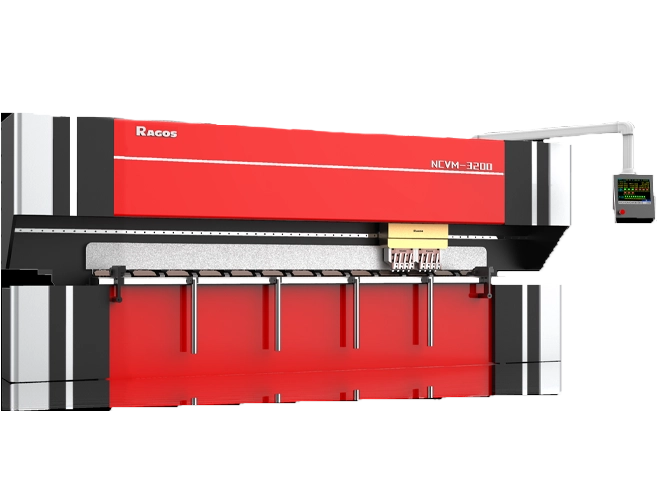
مكابح RAGOS CNC مبنية حول أنظمة ريكسروث الهيدروليكية وأنظمة التحكم CNC من ديلم — وهو مزيج يوفر ضوضاء منخفضة باستمرار في بيئات الإنتاج الحقيقية. استنادا إلى تركيبات العملاء في جميع أنحاء أوروبا, جنوب شرق آسيا, والشرق الأوسط, تعمل الطرازات المزودة بديلم DA66S المزودة بهيدروليك ريكسروث في نطاق 62–67 ديسيبل بل تحت أحمال الإنتاج القياسية. عندما يطلب العملاء في بيئات حساسة للضوضاء توثيقا, نحن نوفر تقارير اختبار الضوضاء الكاملة كجزء من باقة التوصيل الخاصة بنا.
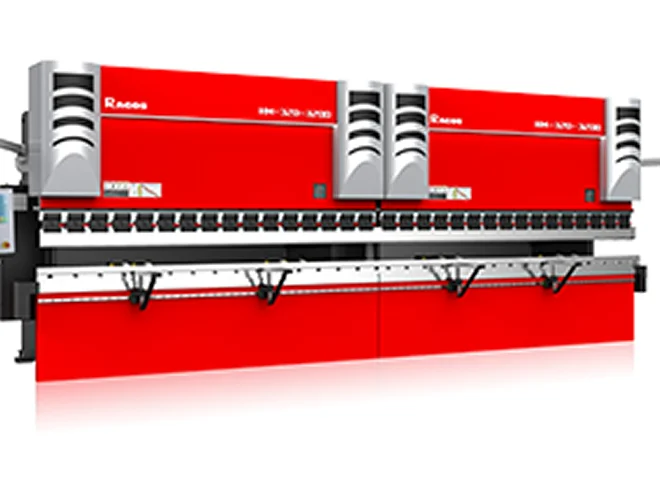
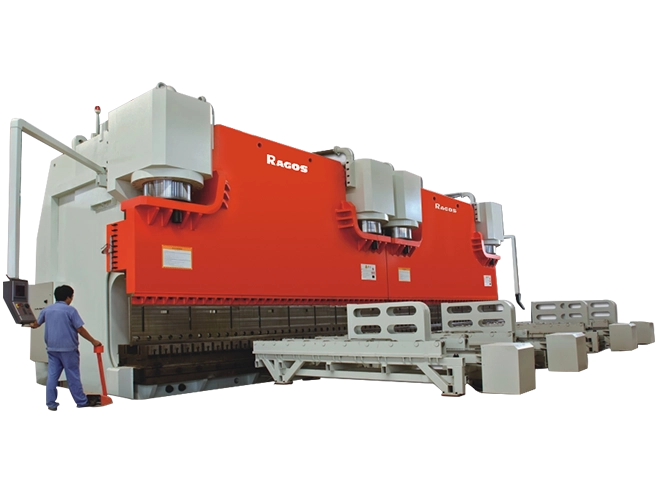
معيارنافرامل مكبس CNC تشمل المجموعة طرازات مزودة بتحكم مدمج في مضخة السيرفو وعزل اهتزاز مركب في المصنع. لمتطلبات الحمل العالي, الفرامل الضغط المزدوجة متوفرة بنفس التكوين الهيدروليكي منخفض الضوضاء.
جاهز لمواصفات جهازك? تواصل مع RAGOS للحصول على ورقة مواصفات الضوضاء المطابقة لمتطلبات الحمولة والمواد الخاصة بك.
الأسئلة المتكررة
س1: ما مدى ارتفاع صوت فرامل الضغط الهيدروليكي بالديسيبل?
تنتج فرامل الضغط الهيدروليكية القياسية 72–80 ديسيبل بول أثناء التشغيل. يعمل نموذج هيدروليكي منخفض الضوضاء مع تحكم مضخة سيرفو بين 60–68 ديسيبل بول في محطة المشغل. بعض الطرازات الفاخرة, مثل تلك التي تحتوي على حزم Eco المحولات الآلية, تحقيق حد أقصى يبلغ 63 ديسيبل بول عند القدرة الكاملة. لمعرفة كيف يؤثر النظام الهيدروليكي على هذه الأرقام, انظر كيفتقلل أنظمة ريكسروث الهيدروليكية من ضوضاء فرامل الضغط.
س2: هل يؤثر مستوى ضوضاء فرامل الضغط على الامتثال لإدارة السلامة والسلامة المهنية (OSHA)?
نعم.OSHA 29 CFR 1910.95 يحدد حد تعريض مسموح به وهو 90 ديسيبل(A) على مدى وردية مدتها 8 ساعات. عند 85 ديسيبل(A), برنامج الحفاظ على السمع إلزامي. اختيار جهاز مصنف أقل من 70 ديسيبل بل يبقي منشأتك تحت الحدود ويزيل الحاجة إلى بروتوكولات حماية السمع الإلزامية.
س3: هل فرامل الضغط الهيدروليكي الآلية أكثر هدوءا من الفرامل الهيدروليكية العادية?
فرامل الضغط الهيدروليكية الآلية أكثر هدوءا بكثير من الماكينات الهيدروليكية القياسية. الوحدات القياسية تشغل محرك المضخة بسرعة ثابتة, توليد ضوضاء مستمرة. نماذج سيرفو-هيدروليكية تغير سرعة المحرك حسب الطلب, تقليل الضوضاء أثناء الخمول ومراحل الحمل الجزئي بمقدار 10–20 ديسيبل. إلىقارن بين مكابح الضغط الكهربائية مقابل الفرامل الهيدروليكية عبر جميع المعايير, راجع دليلنا المخصص.
س4: ما هو السائل الهيدروليكي الذي يساعد في تقليل ضوضاء فرامل الضغط?
السائل الهيدروليكي ISO VG 46 هو التوصية القياسية لمكابح الضغط التي تعمل في ظروف الحرارة العادية. يحافظ على لزوجته المستقرة تحت الحمل, مما يمنع التجويف — وهو مصدر رئيسي للضوضاء الهيدروليكية. دائما استبدل السائل عندما يبدو عكرا أو متغير اللون. إلىاستكشف مجموعة فرامل الضغط Bosch Rexroth الخاصة بنا, والتي تستخدم مواصفات السوائل الهيدروليكية الدقيقة, قم بزيارة صفحة المنتج.
س5: هل يمكنني تعديل فرامل الضغط الحالية لتقليل الضوضاء?
نعم — ثلاث تعديلات تحقق أفضل النتائج. أولا, تركيب قواعد عزل الاهتزاز تحت أقدام الضغط يمكن أن يقلل الضوضاء المنقولة بنسبة تصل إلى 50٪. ثانيا, إضافة حاوية صوتية تقلل الضوضاء المحمولة جوا بمقدار 10–15 ديسيبل. الثالث, الترقية إلى مضخة سيرفو متغيرة السرعة هي التغيير الأكثر فعالية. إلىشاهد مجموعة فرامل الضغط CNC الكاملة لدينا مع تقليل الضوضاء التركيب في المصنع, قم بزيارة كتالوج المنتجات.
اختر الهدوء. اختر الصحيح.
هناك ثلاثة أمور مهمة عند شراء فرامل ضغط هيدروليكية منخفضة الضوضاء. أولا, المطالبة بتصنيف ضوضاء موثق أقل من 70 ديسيبل — ليس ادعاء تسويقي. ثانيا, أعط الأولوية للتحكم في مضخة السيرفو ونظام ريكسروث الهيدروليكي; هاتان الميزتان توفران أكبر قدر ممكن من تقليل الضوضاء. الثالث, التزم بجدول صيانة مدته 500 ساعة لحماية تصنيف الضوضاء هذا طوال عمر الجهاز. الجهاز المناسب يزيل مخاطر الامتثال, يحمي مشغليك, ويعمل بهدوء لسنوات. خطوتك التالية: اطلب ورقة مواصفات الضوضاء من موردك قبل الالتزام بأي عملية شراء.