

فرامل الضغط على انحناء العمود: الدليل الكامل للآلات, المواصفات, وإنتاج القطب
Aفرامل الضغط بالثني بالعمود هي فرامل ضغط CNC مصممة خصيصا أو مجهزة خصيصا تستخدم لتشكيل صفائح فولاذية على شكل أعمدة أسطوانية ومخروطية — وهي أعمدة إنارة شوارع, أبراج الصاري العالية, أعمدة العلم, وأعمدة الكهرباء. فرامل الضغط القياسية لا تتعامل مع هذا العمل بشكل جيد. يتطلب تشكيل الأعمدة أطوال طويلة للقاعدة, الحمولة العالية فوق خطوط الانحناء الممتدة, أدوات مخروطية متخصصة, وفي معظم الحالات, جهازان متزامنان يعملان كوحدة واحدة.
يغطي هذا الدليل كل ما تحتاج معرفته حول اختيار وتشغيلفرامل الضغط بالثني بالعمود — من تكوين الآلة والأدوات إلى عملية الثني خطوة بخطوة.
ما هو فرامل الضغط عند ثني العمود?
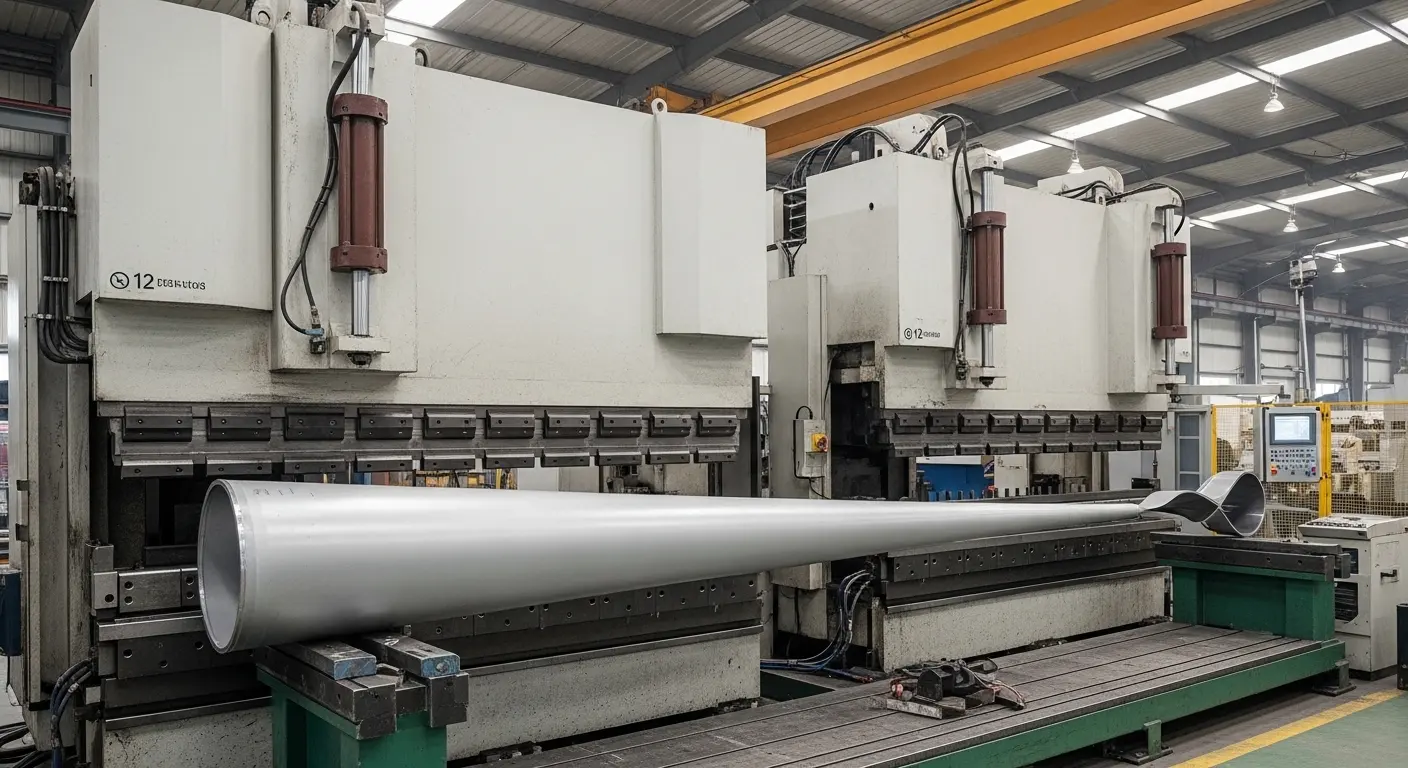
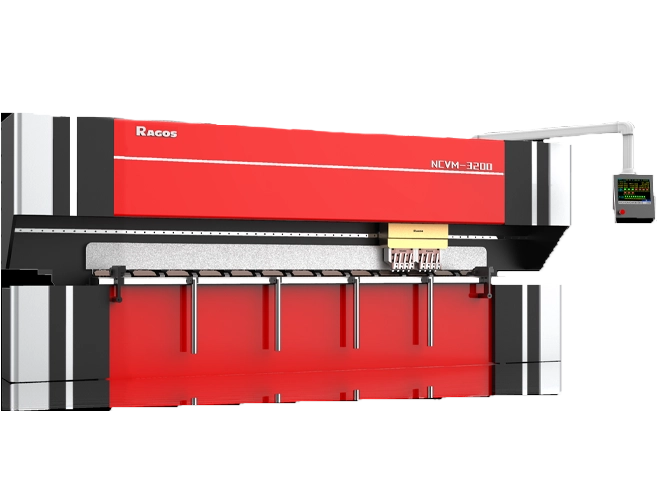
Aفرامل الضغط بالثني بالعمود هو فرامل ضغط هيدروليكية CNC ثقيلة — أو زوج متزامن متزامن — مهيأة خصيصا لثني الصفائح الفولاذية إلى الملف الطولي اللازم لتشكيل عمود. تستخدم الآلة أدوات ذات نصف قطر كبير أو قالب V لثني فراغ فولاذي مسطح تدريجيا عبر عدة تمريرات حتى تتدحرج اللوح إلى شكل مخروط أو أسطوانة جاهزة للحام بالدرزة.
على عكس الثني القياسي للصفائح المعدنية, تشكيل القطاب لا ينتج أي انحناءة حادة. بدلا من ذلك, يقوم المشغل ببرمجة تسلسل من الانحناءات ذات نصف القطر الصغير المتقارب على طول الصفيحة, كل منها يتقدم قليلا في الانحناء حتى يتشكل الشكل الكامل الدائري أو المدبب.
الخصائص الرئيسية لفرامل الضغط بالثني بالعمود تشمل:
- طول السرير الطويل — عادة من 4 إلى 12 متر لاستيعاب الأعمدة من 6 إلى 16 متر بطول نهائي
- الحمولة العالية — الحد الأدنى 200 طن للأعمدة الرقيقة ذات القطعة الواحدة; 600T–2200T لتكوينات الترادم التي تتعامل مع صفيحة الأعمدة الهيكلية السميكة
- عمق الحلق العميق — الحد الأدنى 400 مم للسماح لللوحة المنحنية بتجاوز الإطار أثناء الانحناء متعدد التمريرات
- تزامن CNC — ترتيبات متتالية, يجب على كلا الجهازين مزامنة موقع الذاكرة إلى ±0.01 مم عبر القاعدة الكاملة
- التعويض الأعلى — التتويج النشط يمنع مركز الصفائح الطويلة من الانحناء عند نصف قطر مختلف عن الأطراف
أنواع الأعمدة المصنوعة بفرامل ضغط
ليست كل الأعمدة متشابهة, وكل نوع يفرض متطلبات مختلفة على شخصيتكفرامل الضغط بالثني بالعمود التكوين.
أعمدة إنارة الشوارع (6 أم – 12 متر) — التطبيق الأكثر شيوعا. عادة ما تكون صفائح الفولاذ الطري بطول 3–5 مم, تدريجيا (مخروطي) الملف الشخصي, يتراوح قطر العمود من 60 مم في الأعلى إلى 300–500 مم في القاعدة. مكابح ضغط واحدة بطول 200T × 6 أمتار تتعامل مع أعمدة أقصر. الأعمدة الأطول فوق 8 أمتار تتطلب إعداد مزدوج.
أعمدة الصواري العالية (20 متر – 40 متر) — أعمدة متعددة الأقسام متصلة بوصلات الحقل. يبلغ طول كل قسم من 6 إلى 12 مترا, يتطلب فرامل ضغط مزدوجة وحمولة عالية لصفائح أكثر سماكة (5–10 ملم). شائع في إضاءة الطرق السريعة, مآزر المطار, ومرافق الميناء.
أعمدة الأعلام والأعمدة الزخرفية — مادة أرق (1.5–3 مم), غالبا ما يتطلب ذلك هندسة تدريبية دقيقة وتشطيب سطح خارجي ناعم. متطلبات الحمولة الأقل, لكن التحكم الشديد في نصف القطر ضروري.
أعمدة المرافق والطاقة — الأعمدة الهيكلية لخطوط توزيع الكهرباء. صفيحة سميكة (6–12 مم), الفولاذ عالي الشد (Q345, S355), متطلبات كبيرة للحمولة. مكابح الضغط المزدوجة بتردد 600T–1200T هي المعيار لهذه الفئة.
مخروطي مقابل أسطواني — الأعمدة المخروطية تتدرج من القاعدة إلى الأعلى وتتطلب مجموعات قوالب قابلة للتعديل أو مخروطية. تحافظ الأعمدة الأسطوانية على قطر ثابت على طولها وتستخدم أدوات نصف قطرية قياسية مع تباعد تمرير منتظم.
سرير فردي مقابل سرير مزدوج: أي مكبح ضغط لثني العمود تحتاج?
يعد الاختيار بين آلة ذات سرير كبير واحد وتكوين مزدوج هو الخيار الأهم في المواصفات لإنتاج الأعمدة.
فرامل ضغط ذات سرير واحد (200T–600T, 4 أم – 8 أم) هو الخيار الصحيح عندما:
- نطاق العصي لديك هو 6 أمتار إلى 8 أمتار بطول نهائي
- سمك الصفائح يبقى أقل من 6 مم
- الدرجة المادية هي Q235 أو ما يعادلها الفولاذ الطري
- حجم الإنتاج متوسط — 30–80 عمودا في كل وردية
- تريد إعداد آلة أبسط بتكلفة رأس مال أقل
المكبح مكبس من الفولاذ المقاوم للصدأ والإنشاءات بوزن 200 طن يتعامل مع إنتاج الأعمدة الخفيفة إلى المتوسطة مع سرير طويل بما يكفي لأطوال أعمدة إنارة الشوارع القياسية.
تكوين فرامل الضغط المزدوجة مطلوب عندما:
- طول العمود النهائي يتجاوز 8 أمتار
- سمك الصفائح يزيد عن 6 مم (يتطلب الحمل الإجمالي أكثر من 400 طن)
- المادة هي فولاذ هيكلي عالي القوة (Q345, S355, أو أعلى)
- تحتاج إلى إنتاج عدة أقسام أعمدة في نفس الوقت
- الإنتاج بكميات كبيرة يتطلب أقصى وقت تشغيل للآلة مع مرونة في وضع التقسيم
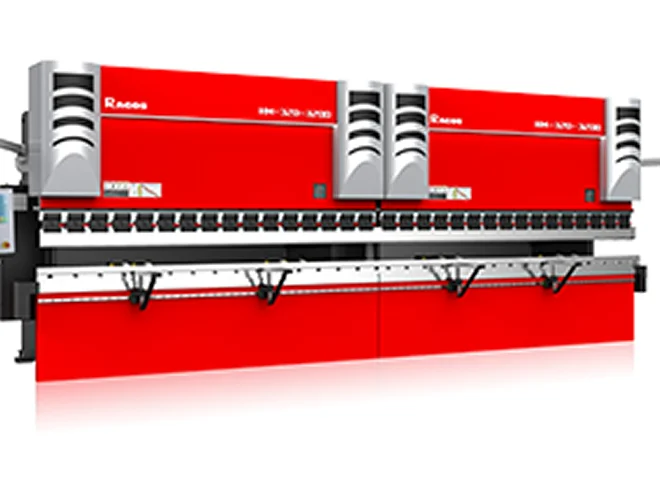
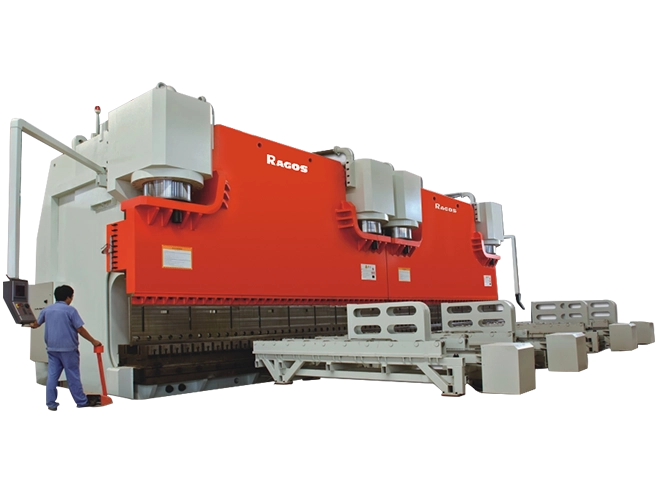
Aفرامل الضغط المزدوجة لإنتاج الصفائح المعدنية الطويلة تزامن جهازين عبر وحدة تحكم CNC رئيسية, مما يتيح الانحناء عبر 10 أمتار و16 مترا بدقة ±0.1° عبر الطول الكامل. يسمح وضع التقسيم للجهازين بالعمل بشكل مستقل في المهام الصغيرة عندما لا تكون هناك حاجة لتكوين الترادم.
| ميزة | سرير فردي | إعداد التاندم |
|---|---|---|
| طول السرير النموذجي | 4م – 8 أم | 8م – 16م |
| الحمولة المركبة | 200T – 600T | 400T – 2200T |
| نطاق طول القطاب | حتى 8 أمتار | حتى 16 متر |
| تعقيد الإعداد | معيار | أعلى — التزامن مطلوب |
| تكلفة رأس المال | أوطأ | الأعلى — آلتان |
| التنوع | جيد لمدى القطب الواحد | High — وضع تقسيم للأعمال الأخرى |
المواصفات الرئيسية لمكبح الضغط بنظام ثني العمود
عند تقييمفرامل الضغط بالثني بالعمود, هذه هي المواصفات التي تحدد ما إذا كانت الآلة قادرة على التعامل مع مدى القطاب الخاص بك.
طول الانحناء — يجب أن يتطابق أو يتجاوز أطول قسم من القطب لديك. لأعمدة 12 متر, الإعداد القياسي هو تكوين مزدوج مع سريرين × 6 أمتار يعطي طول عمل إجمالي يبلغ 12 مترا. للأعمدة الأقصر حتى 8 أمتار, تكوين واحد بحجم 8 متر أو 2 × 4.6 متر يعمل بشكل جيد.
حموله — حساب الحمولة المطلوبة بناء على سمك الصفيحة, درجة المواد, وطول الانحناء. بالنسبة ل Q235 فولاذ هيكلي بحجم 5 مم فوق 6 أمتار, يتطلب الأمر حوالي 300–400 طن. بالنسبة ل Q345 بعمق 8 مم فوق 12 متر, الحمل المشترك 800T–1200T في إعداد مزدوج هو النموذج النموذجي.
عمق الحلق (عمق المقياس) — لثني الأعمدة, يتطلب حد أدنى من 400 مم في الحلق. أثناء انحناء اللوح أثناء الانحناء متعدد التمريرات, يجب أن يتجاوز الشكل الجزئي إطار الآلة دون تصادم. الأعمدة ذات القطر الأكبر (500 مم) قد يتطلب عمق الحلق 600 مم أو أكثر.
دقة التزامن (التاندوم فقط) — يجب أن يحافظ الكبش في الترتيب المتزامن على ±0.0توافق موضع 1 مم في كل ضربة. الانحراف بعد هذا يسبب "الخطوة" التشوه عند نقطة الالتقاء بين الجهازين. تزامن CNC المعتمد على EtherCAT مع تغذية راجعة المسطرة المزدوجة هو المعيار التقني الحالي.
نظام التتويج — فوق سرير من 6 إلى 12 متر, إطار الآلة ينحرف تحت الحمل, مما يجعل مركز اللوح ينحني عند نصف قطر أكبر قليلا من الأطراف. التلوية الهيدروليكية أو الميكانيكية النشطة تعوض هذا الانحراف, الحفاظ على نصف قطر ثابت عبر طول الانحناء الكامل.
لتطبيقات الطبقات الطويلة, التكوين فرامل الضغط CNC 4000 مم يظهر كيف أن طول السرير الممتد يوفر قيمة إنتاجية قابلة للقياس على الأجزاء الهيكلية الكبيرة.
أدوات انحناء العمود: مجموعات القوالب المخروطية والأسطوانية
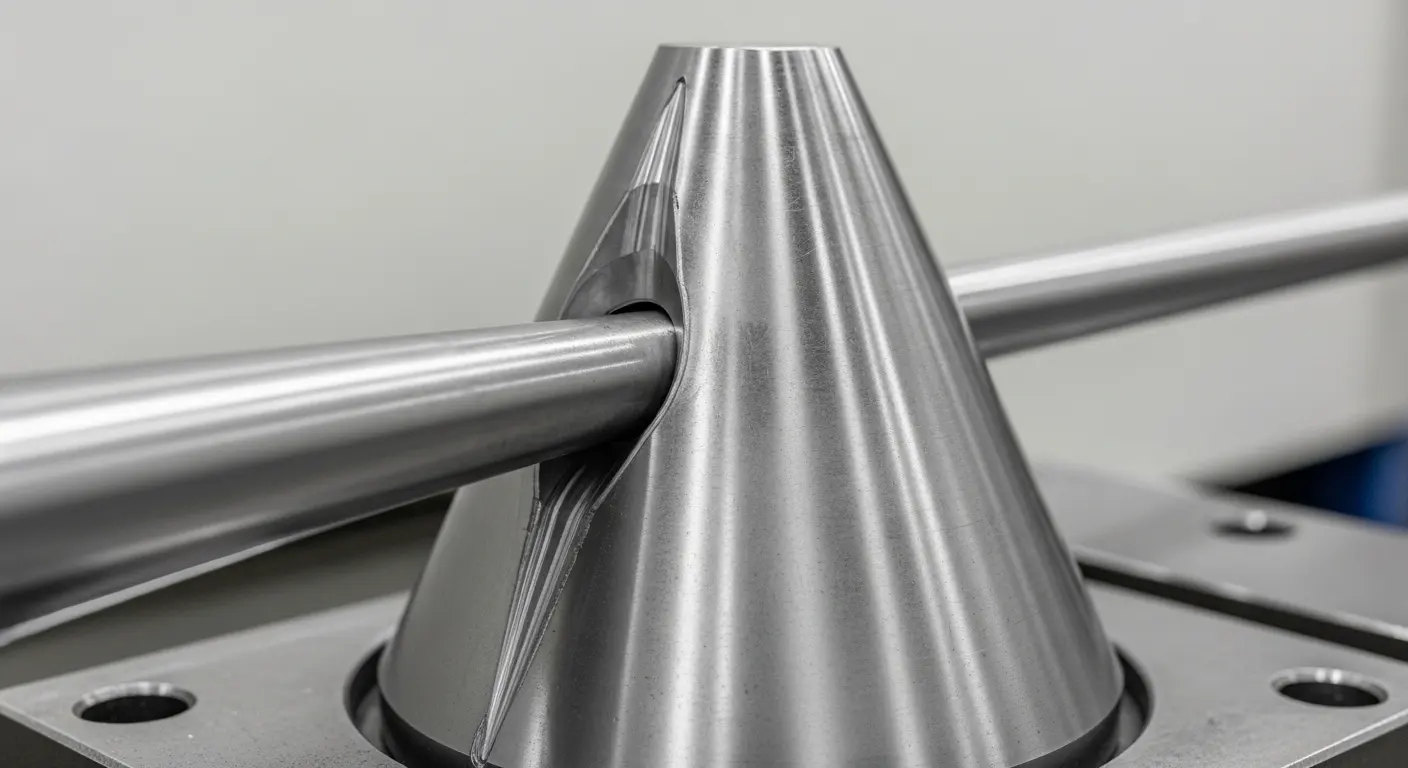
يستخدم ثني الأعمدة أدوات مختلفة عن الثني المعدني التقليدي — وتحقيق ذلك بشكل صحيح هو ما يميز هندسة الأعمدة النظيفة عن الصفائح المشوهة أو المتشققة.
أدوات نصف القطر (لكمة منحنية وموت) — للأقطاب الأسطوانية, مجموعات الثقب والقوالب ذات نصف قطر النفس تطبق منحنى ثابتا عبر اللوح. تمر عدة مرات بنفس الأدوات تدريجيا بإغلاق اللوح لتصبح أسطوانة كاملة. نصف قطر القالب يطابق قطر القطب المستهدف في كل مرحلة انحناء.
مجموعات قوالب الأدوات المخروطية — تتطلب الأعمدة المدببة أدوات تطبق أنصاف أنصاف مختلفة في مواقع مختلفة على طول اللوحة. تحقق مجموعات القوالب المخروطية ذلك عن طريق تغيير ملف أخدود القالب على طول القاعدة. ضربة ضغط واحدة تنحني الطرف الضيق من التدرج عند نصف قطر أضيق من الطرف العريض — مما يحاكي هندسة التدرج النهائية في كل تمريرة.
انحناء القالب V متعدد التمريرات — بالنسبة لورش التصنيع الصغيرة التي تنتج الأعمدة بدون أدوات مخروطية مخصصة, يحقق الانحناء الهوائي متعدد التمريرات باستخدام قالب V القياسي شكل القطب من خلال تسلسل مبرمج من الانحناءات المستقيمة الموضوعة بفواصل محسوبة. كلما اقتربت الفترات, كلما كان المنحنى أكثر سلاسة. لعمود بقطر 500 مم, عادة ما يتم برمجة 12–18 تمريرة انحناء عبر عرض اللوح.
مادة الأدوات والصلابة — أدوات ثني العمود تعمل تحت ظروف تحميل عالية متكررة. فولاذ الأدوات عند 58–62 HRC هو المعيار. طلاء السطح (الطلاء الكرومي أو النتريديج) يطيل عمر الأداة بشكل كبير تحت التلامس المتكرر للصفائح الفولاذية الهيكلية.
المورد لآلات ثني أعمدة إنارة الشوارع يغطي صفحة بالتفصيل خيارات تكوين الأدوات الكاملة لإنتاج الأعمدة المدببة والأسطوانية.
عملية ثني الأعمدة: خطوة بخطوة
فهم تسلسل الانحناء يساعدك على تقييم أيفرامل الضغط بالثني بالعمود بدقة مع متطلبات الإنتاج الخاصة بك.
الخطوة 1: تحضير الطبق
يتم قطع صفيحة الفولاذ إلى شكل شبه منحرف (للقطبين المخروطية) أو مستطيل (للقطبين الأسطوانية) على آلة قطع البلازما أو الليزر. تحضير الحواف — إزالة الحواف والميلان — يهيئ حواف الدرزة للحام لاحقا.
الخطوة 2: ثني الحواف مسبقا
تحني الحواف الطويلة للصفيحة مسبقا أولا — عادة 15–25 مم من كل حافة — لتشكيل منحنى البداية. تمنع هذه الخطوة ظهور بقع مسطحة عند خط الدرزة بعد تسلسل التشكيل الرئيسي.
الخطوة 3: تسلسل التشكيل متعدد التمريرات
يقوم برنامج CNC بتنفيذ سلسلة من الانحناءات التدريجية عبر عرض اللوح. كل انحناء يحرك المادة تدريجيا أقرب إلى نصف قطر الهدف. يبدأ التسلسل من أحد الأطراف ويتجه نحو الحافة المقابلة, عادة ما يكمل 10–20 تمريرة حسب سمك اللوحة وقطر القطب.
الخطوة 4: الإغلاق وتركيب الدرزات
بعد كل تمريرات الانحناء, تشكل اللوح أسطوانة أو مخروطا شبه مغلق. يتم جمع الحافتين الطويلتين معا مع التحكم في فجوة الدرزة حسب تحمل اللحام — عادة من 0 إلى 2 مم للحام الطولي SAW أو MIG.
الخطوة 5: اللحام والنقل بالتاك
يتم لحام القسم المشكل للعمود المشكل ليحافظ على شكله قبل نقله إلى محطة اللحام الطولية.
المواد المستخدمة في ثني الأعمدة ومتطلباتها الآلية
درجة المواد تحدد حجم الكمية وتكوين الأدواتفرامل الضغط بالثني بالعمود الاحتياجات.
الفولاذ الإنشائي Q235 / S235 — الدرجة القياسية لأعمدة إنارة الشوارع والأعمدة الزخرفية الصغيرة. قوة الشد 370–500 ميغاباسكال. غفران على الانحناء, العودة المتوسطة. ماكينة واحدة بوزن 200 طن × 6 أمتار تتعامل مع Q235 حتى 5 مم للأعمدة حتى 8 أمتار.
الفولاذ الإنشائي Q345 / S355 — درجة هيكلية ذات قوة أعلى لأعمدة الصواري العالية وأعمدة المرافق. قوة الشد 490–630 ميغاباسكال. يتطلب حوالي 1.3–1.5× حمولة Q235 عند نفس السمك. الارتداد النابض أكثر وضوحا — تعويض النوابض CNC إلزامي لنصف قطر متسق عبر فترات الإنتاج.
الفولاذ المقاوم للعوامل الجوية (كورتن A/B) — تستخدم للأعمدة المعمارية والزخرفية. قوة مشابهة ل Q345, لكن أكسدة السطح تخلق طبقة واقية تلغي الرسم. سلوك الانحناء مشابه ل Q345.
ستانلس ستيل (304, 316) — تستخدم في الأعمدة المعمارية عالية المواصفات والبيئات الساحلية. يتطلب مضاعف حمولة إضافي (×1.5 فوق الفولاذ الطري), رولا-في أو الأدوات المصقولة لحماية السطح, وتصحيح الظهر الخاص بالنوابض الخاصة بدرجات الفولاذ المقاوم للصدأ الأوستنيتية.
خط إنتاج القطب الكامل بعد فرامل الضغط
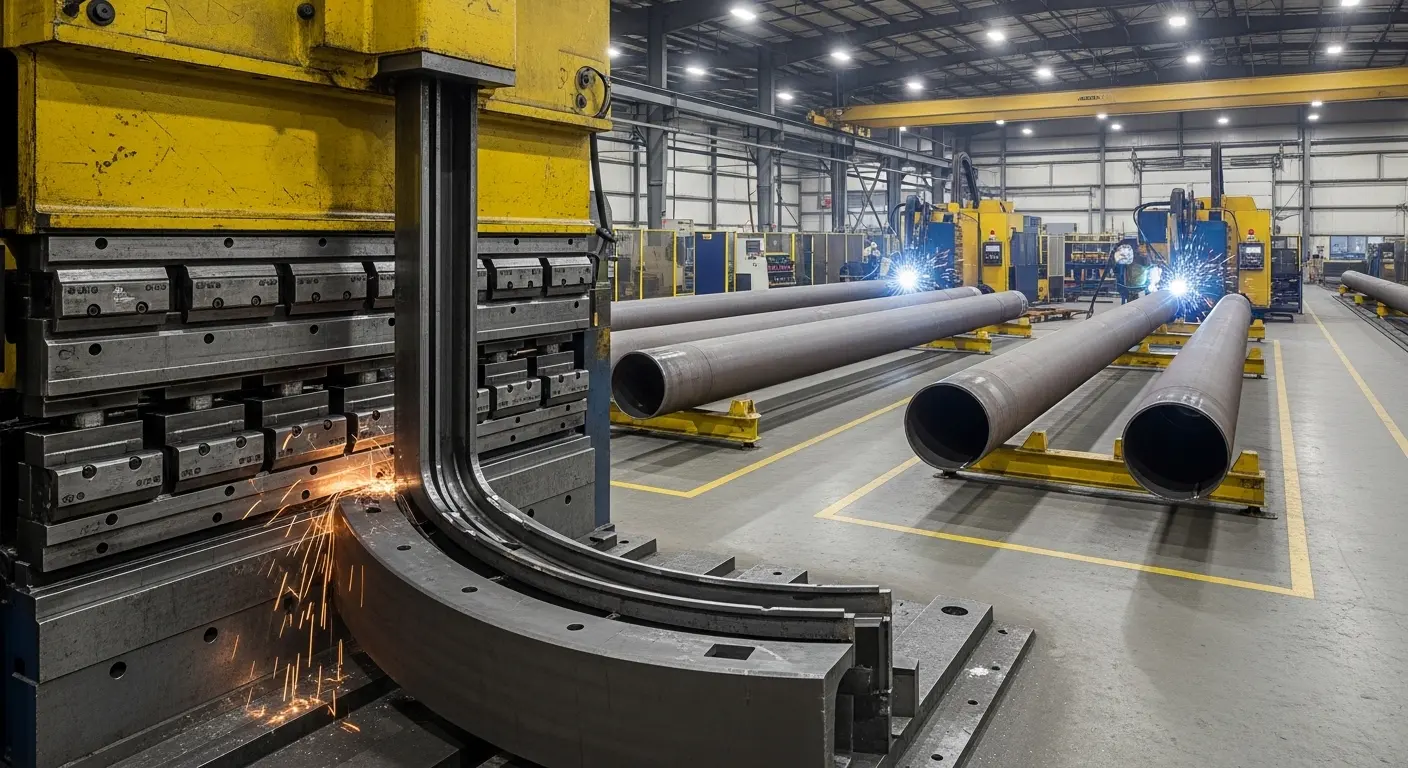
Aفرامل الضغط بالثني بالعمود هو جوهر تصنيع الأعمدة, لكن خط الإنتاج الكامل يشمل عدة عمليات لاحقة تؤثر على القدرة الإجمالية والجودة.
اللحام الطولي للدرزة — بعد التشكيل, يتم لحام العمود على محطة لحام مخصصة باستخدام اللحام القوسي المغمور (SAW) للألواح السميكة أو MIG لأعمدة الجدران الأرق. تؤثر جودة اللحام مباشرة على سلامة هيكل العمود النهائي.
التقويم — تميل الأعمدة الطويلة إلى تكوين انحناءات أو انحناءات طفيفة بعد اللحام بسبب تشوه حرارة اللحام. يقوم مكبس التقويم الهيدروليكي بتصحيح هذه التشوهات قبل الخطوة التالية.
اللحام على الحافة ولوحة القاعدة — الحواف الأساسية, الأعلى أبرز, ويتم لحام إطارات أبواب الوصول على قسم الأعمدة المشكل. تتطلب هذه العمليات الثانوية تركيبات ومعدات لحام بجانب خط الانحناء.
معالجة السطح — عادة ما تكون أعمدة إنارة الشوارع وأعمدة الكهرباء مجلفنة بالماء الساخن للحماية من التآكل. تستخدم أنظمة الطلاء أو الطلاء في الأعمدة الزخرفية. تتبع معالجة السطح جميع عمليات التشكيل واللحام.
المتاجر التي تبحث عنفرامل الضغط بالثني بالعمود إلى جانب القدرة الكاملة على الخط، يجب أن تؤكد أن مورد فرامل الضغط يمكنه أيضا تقديم المشورة بشأن تسلسل المعدات في المراحل النهائية وتخطيط خطوط الإنتاج.
كيفية اختيار فرامل الضغط المناسبة لثني العمود
استخدم هذه المعايير الخمسة لتضييق مواصفات جهازك قبل التحدث مع أي مورد.
1. حدد أقصى طول للقطاب
أطول عمود منتهية يحدد ما إذا كنت بحاجة إلى آلة ذات سرير طويل واحد أو تكوين مزدوج. الأعمدة حتى 8 أمتار: تخيل آلة واحدة من 6 إلى 8 أمتار. بولديون 8 متر – 16 متر: حدد إعداد التاندم.
2. احسب الحد الأقصى لمتطلبات الحمولة
استخدم أسمك طبق لديك, المادة ذات أعلى قوة, وأطول عمود كأسوأ سيناريو ممكن. طبق مضاعف قوة الشد المادية وأضف هامش أمان بنسبة 25٪. بالنسبة ل Q345 بعمق 8 مم فوق 12 متر, خطط لاستخدام 800 طن على الأقل معا في الجمع.
3. تأكد من عمق الحلق لأكبر قطر عصا لديك
العمود بقطر 500 مم يتطلب على الأقل عمق حلق 600 مم لتنظيف الإطار أثناء الانحناء متعدد التمريرات. تحقق من هذه المواصفات لأكبر قطر عمود قبل الطلب.
4. حدد حزمة الأدوات الخاصة بك
تأكد مما إذا كنت بحاجة إلى مجموعات قوالب مخروطية (للأعمدة المدببة), أدوات نصف القطر (للقطبين الأسطوانية), أو إعداد قالب V متعدد الممرات. غالبا ما يتم اقتباس الأدوات بشكل منفصل — ادرجها في تقييم تكلفة الآلة الإجمالية.
5. تقييم التزامن والتوج في إعدادات التوازي
لتكوينات التانديم, تأكيد دقة التزامن (±0.01 ملم بين الكباش), نوع نظام التوج (هيدروليكي أو ميكانيكي), وما إذا كان CNC يدعم التشغيل المستقل في الوضع المنقسم. هذه الميزات تؤثر مباشرة على جودة عمود الآلة النهائي وعائد الاستثمار على الآلة.
الأسئلة الشائعة حول فرامل الضغط عند ثني الأعمدة
ما هو فرامل الضغط التي تثني بالأعمدة?
فرامل الضغط التي تثني بالأعمدة هي فرامل ضغط هيدروليكية CNC ثقيلة — مفردة أو مزدوجة — مهيأة لتشكيل ألواح فولاذية إلى أشكال أسطوانية أو مخروطية لإضاءة الشوارع, الصاري العالي, الفائدة, وتصنيع أعمدة الأعلام. يستخدم تسلسلات ثني متعددة التمريرات وأدوات مخروطية متخصصة لتشكيل اللوح تدريجيا إلى ملف مغلق جاهز للحام بالدرزة.
ما هي الحمولة المطلوبة لفرامل الضغط التي تثني بالأعمدة?
تعتمد الحمولة على طول القطب, سمك الصفائح, ودرجة المادة. ماكينة واحدة بحجم 200 طن × 6 أمتار تتعامل مع فولاذ Q235 بعمق يصل إلى 5 مم للأعمدة حتى 8 أمتار. تتطلب الأعمدة الأطول أو الأكثر سمكا تكوينات مزدوجة مع حمولة مشتركة تتراوح بين 600 طن إلى 2200 طن حسب مواصفات اللوح.
ما الفرق بين فرامل الضغط ذات العمود الواحد وفرامل الضغط ذات العمود المزدوج?
تستخدم آلة واحدة فرامل ضغط واحدة ذات سرير طويل (4 أم – 8 أم) للقطبين الأقصر. يربط نظام التانديم بين آلتين عبر وحدة تحكم CNC رئيسية لإنشاء سرير مشترك بطول 8 متر إلى 16 متر , مما أتاح إنتاج أعمدة أطول بكميات أكبر مجتمعة. تدعم الآلات التانتيم أيضا التشغيل بنمط تقسيم — مما يسمح لكلا الجهازين بالعمل بشكل مستقل في مهام مختلفة.
كم عدد تمريرات الانحناء التي يتطلبها العمود?
يعتمد عدد التمريرات على قطر القطب وسماكة الصفيحة. عادة ما يتطلب عمود قطر 300 مم من صفيحة 4 مم 10–14 تمريرة انحناء. قد يتطلب عمود أكبر بقطر 500 مم عند 6 مم 16–20 تمريرة. تحتاج الأقطاب المخروطية إلى مزيد من تعقيد البرمجة لأن نصف القطر يتغير على طول الصفيحة.
هل يمكن استخدام فرامل CNC القياسية لثني الأعمدة?
يمكن لفرامل الضغط القياسية إنتاج أعمدة بسيطة بأطوال محدودة وأقطار أصغر, لكنها تفتقر إلى عمق الحلق, طول السرير, التعويض الأهم, وأدوات متخصصة خصصتفرامل الضغط بالثني بالعمود الآلات توفر. لإنتاج الأعمدة التجارية التي يزيد طولها عن 6 أمتار أو أكثر من سمك الصفائح 4 مم, المعدات المهيأة خصيصا تعطي نتائج أفضل بكثير.